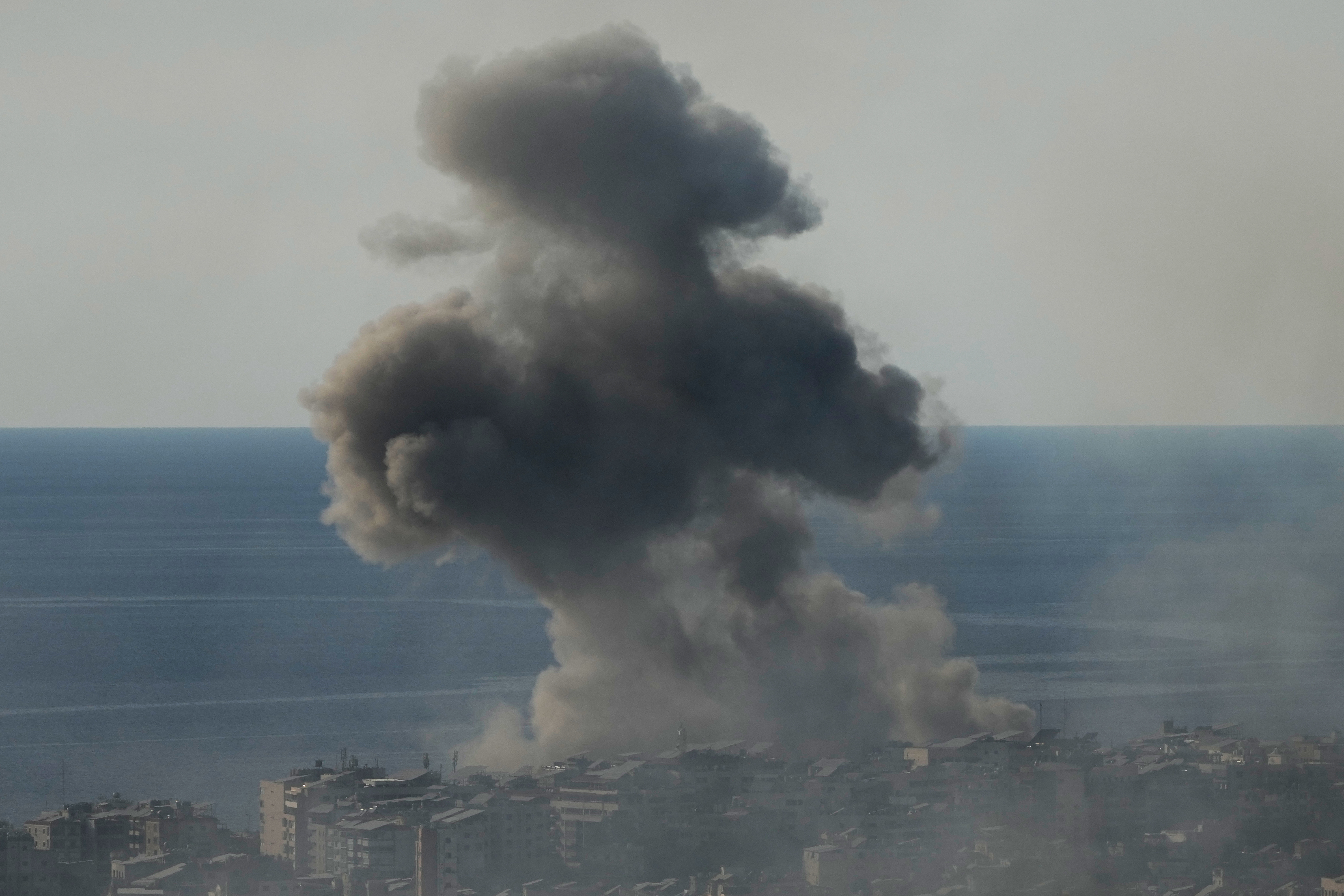
Gulf Allies Confront U.S. Over Ignored Iran Attack Warnings
U.S. failure to heed Gulf allies' alarms exposes regional security vulnerability and deepens mistrust. This crisis in communication could embolden Iran's aggressive posturing.
Officials from Gulf Cooperation Council (GCC) states have expressed outrage over the U.S. intelligence community's inadequacies following recent Iranian assaults. They claim that their warnings about the potential fallout from escalating conflicts were disregarded, leading to severe ramifications for their national securities. The communication breakdown raises serious concerns regarding U.S. reliability as a partner amid heightened regional tensions.
The historical context of this confrontation is steeped in distrust, stemming from years of Iran's expanding influence and aggressive posturing within the region. Many GCC nations have long urged the U.S. for more robust support and timely intelligence sharing concerning Iran's military maneuvers and destabilizing activities. The U.S.'s inconsistent responses under the Biden administration have left regional powers feeling exposed and vulnerable to Iran's ambitions, especially following the 2021 failure of the Iran nuclear talks.
This escalation in resentment poses significant security risks. The GCC's faith in U.S. commitments wavers, potentially triggering a recalibration of military strategies within the bloc. If they perceive further negligence from Washington, it could lead Gulf nations like Saudi Arabia and the UAE to pursue independent military capabilities or alliances that threaten the U.S.'s strategic positioning in the Gulf. Such a shift could inhibit U.S. operational freedom and risk increased Iranian aggressiveness.
Key actors in this scenario include not only the GCC states but also Iran, which uses GCC discontent to expedite its own regional objectives. Iran's leadership is likely aware of this discontent and may perceive a window of opportunity to increase subversion and proxy warfare against Gulf states, regardless of the U.S.'s electoral cycles. The divergent motivations between the U.S. and Gulf allies expose a dangerous rift—GCC nations prioritize immediate regional crises while the U.S. emphasizes long-term strategic stability.
Operationally, Iran continues to enhance its military capabilities, including ballistic missile technology and drone warfare. The Islamic Revolutionary Guard Corps (IRGC) is reportedly enhancing its drone fleets, with around 1,000 UAVs now capable of striking key targets within GCC borders. Meanwhile, fears grow that the U.S. may not be able to deter Iran from further strikes, prompting Gulf states to invest billions into air missile defense systems.
The consequences of this diplomatic fallout may lead to accelerated military spending among GCC states, straining national budgets and fueling an increasingly competitive arms race. This deterioration of trust alters regional power dynamics and increases the risk of miscalculations or escalatory incidents that could spiral into conflict if left unchecked. Increased support for local militias by Iran could ensue, further destabilizing the Gulf.
Historical parallels can be drawn from the aftermath of the 1979 Iranian Revolution, when a similar breakdown in U.S.-GCC relations led to heightened Iranian aggression and the Iran-Iraq War. In that period, distrust prompted GCC states to seek alternative partnerships for security, leading to long-term implications for U.S. influence in the region.
Looking ahead, Gulf states may seek to bolster their relations with China and Russia as an alternative to U.S. support, possibly disrupting traditional military alignments. Intelligence analysts should monitor defense procurement trends and joint military exercises to assess emerging alliances. Additionally, any Iranian provocations occurring in the timeframe ahead could serve as a crucial indicator of the GCC's response, revealing the true extent of their disillusionment with U.S. partnerships.