GOP Advances Defense-Funded Reconciliation Bill, Eyes Military Boost
The GOP pushes a new reconciliation bill injecting funds into homeland security and military support, signaling a strategic defense investment amid rising global tensions.
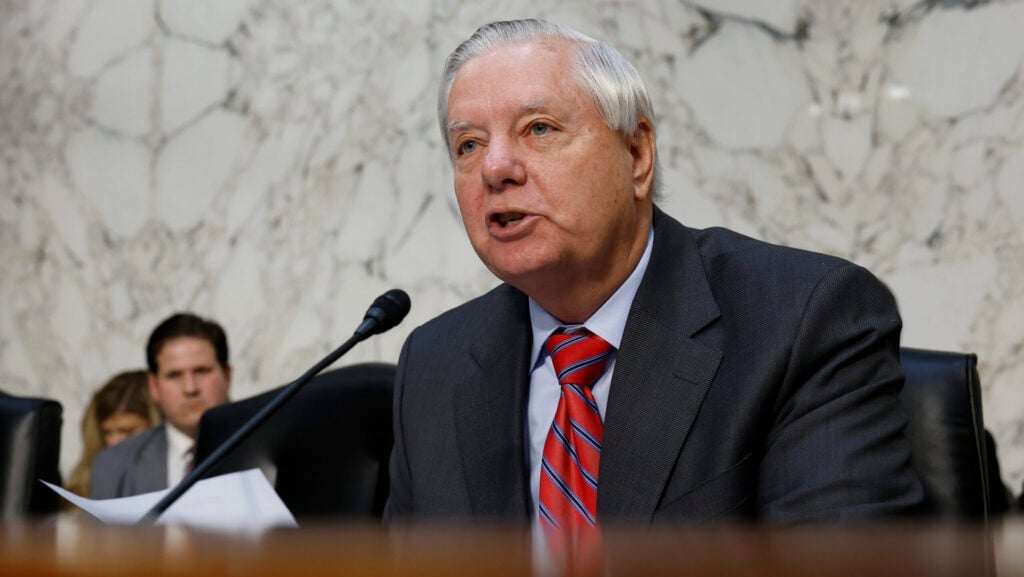
The Republican Party is advancing a new budget reconciliation bill that allocates significant funding to U.S. defense and homeland security. Senate Budget Committee Chairman Lindsey Graham emphasized the bill’s goal to secure the homeland and support military personnel actively engaged in global operations. This legislative move reflects an urgent focus on enhancing defense capabilities amid increased international threats.
Reconciliation bills are key legislative tools allowing budget changes with limited Senate approval processes. This second reconciliation bill builds on prior budget efforts, aiming to address defense funding shortfalls and sustain ongoing military commitments. It arrives as geopolitical tensions heighten, especially concerning Russia, China, and multiple regional conflicts.
Strategically, the bill signals a robust commitment to military readiness and homeland defense. It ensures funding flow for equipment modernization, troop support, and counters emerging military challenges worldwide. This approach strengthens the U.S. posture amid a competitive security environment and signals allied support.
Technically, the bill earmarks billions for advanced weapon systems, cyber defense infrastructure, and enlisted personnel welfare programs. It focuses on bolstering missile defense, improving readiness rates, and expanding military presence in key regions. The legislation also seeks to expedite acquisition programs and enhance joint force capabilities to address near-peer adversaries.
The bill’s passage could deepen U.S. military engagement and resilience globally but risks further escalating tensions with rival powers viewing it as a preparation for prolonged geopolitical rivalry. Observers expect that enhanced defense spending under this bill will pressure adversaries and reassure partners but also complicate negotiations on arms control and diplomacy.