Global model possible: Hong Kong’s one country, two systems, Ip says
Regina Ip Lau Suk-yee argues that Hong Kong’s one country, two systems framework could become a worldwide reference. She frames the model as Hong Kong’s greatest contribution to Beijing’s Global Governance Initiative. The comments came ahead of the Savantas Institute-led Global Prosperity Summit's third edition.
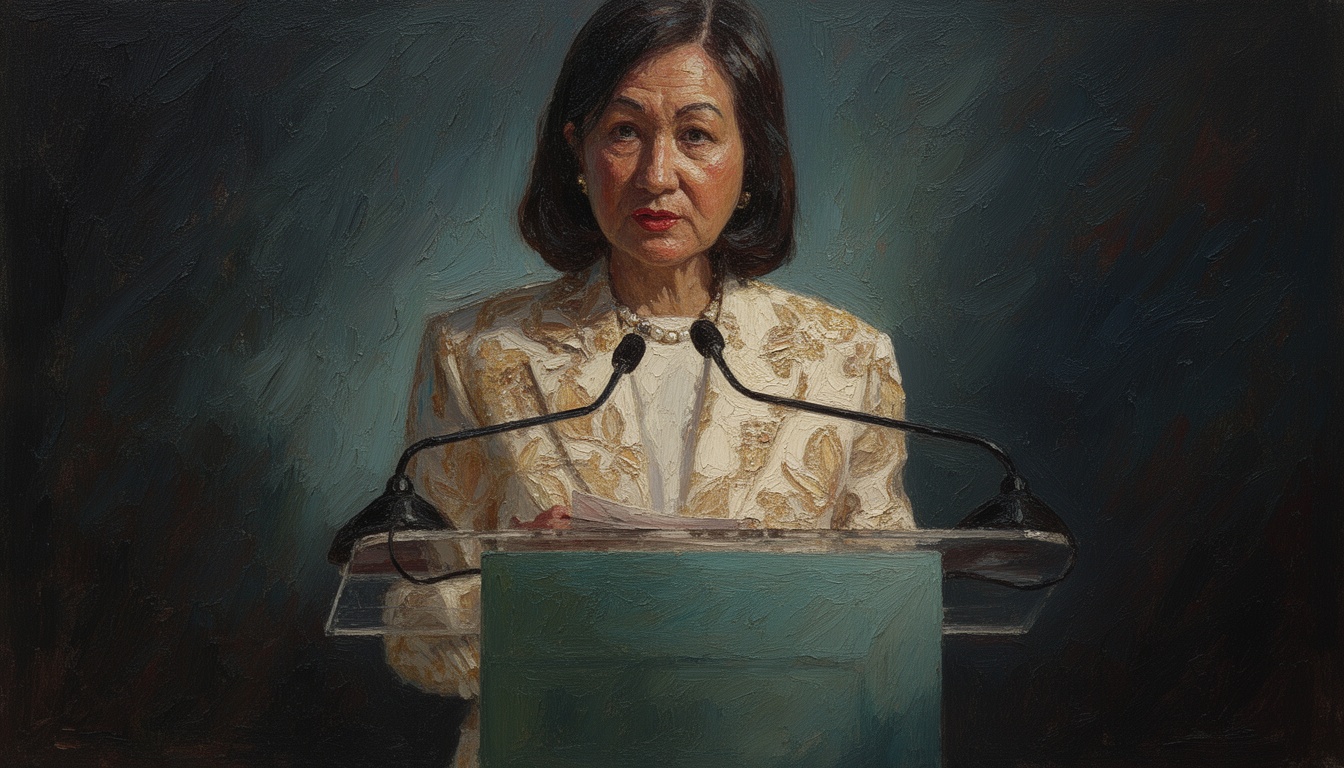
Hong Kong’s governance philosophy, embodied in the one country, two systems framework, is being pitched as a potential global model by Regina Ip Lau Suk-yee. Ip, a principal figure on the city’s Executive Council and a former lawmaker, outlined the idea during a media briefing on Thursday. Her remarks coincide with the upcoming third edition of the Global Prosperity Summit, organized by her Savantas Institute think tank. She framed the model as a cornerstone of Beijing’s broader push for Global Governance.
Ip argued that the framework’s perceived stability and economic continuity could offer a template for regions grappling with constitutional and political transitions. She also suggested that the model’s adaptability to local conditions could enable diverse jurisdictions to pursue prosperity without sacrificing core sovereignty. Critics, however, have pointed to risks in maintaining high degrees of autonomy within a centralized system. Ip did not address those debates directly but pressed the importance of governance predictability.
Strategically, Ip’s comments place Hong Kong at the center of discussions about how major powers manage regional governance and international cooperation. The Global Prosperity Summit, which she helps organize, positions the city as an incubator for policy ideas intended to influence global governance norms. The statement thus doubles as a soft power signal ahead of broader conversations on rule-making, trade, and security arrangements across Asia and beyond.
Technically, Ip did not unveil new policy instruments but framed existing arrangements as a potential reference point for other states. The Savantas initiative leverages think-tank networks to push policy concepts into global forums. If pressed on specifics, Ip would likely emphasize mutual non-interference, economic openness, and robust rule-of-law features within the framework. Observers will watch for any formal proposals tied to the summit’s programmatic tracks.
The commentary signals a deliberate effort to rebrand Hong Kong’s political economy as a global asset. If the one country, two systems model gains traction, it could influence debates on governance legitimacy and regional autonomy in other jurisdictions. Analysts will assess how Beijing interprets this narrative in the context of broader regional security dynamics and economic integration, with implications for investment, diplomacy, and strategic alignments.