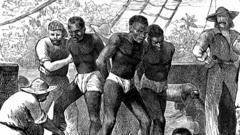
Ghana Leads UN Call to Label Slave Trade 'Gravest Crime'
Ghana pushes the UN to recognize the transatlantic slave trade as the gravest crime against humanity, seeking unprecedented global accountability. This historic vote could reshape international dialogue on reparations and justice for slavery’s legacy.
Ghana has spearheaded a landmark resolution at the United Nations demanding compensation for the historic transatlantic slave trade. The UN General Assembly will vote on designating the slave trade as ‘‘the gravest crime against humanity,’’ marking a powerful symbolic step toward international recognition and reparative actions.
The transatlantic slave trade forcibly uprooted millions of Africans from their homes over centuries, fueling economic empires at devastating human costs. Despite historical bans, its legacies of racial injustice, economic disparity, and social trauma persist across continents.
Strategically, this move pushes global powers to confront their historical roles and responsibilities. It pressures former colonial and slave-trading nations, predominantly in Europe and the Americas, to acknowledge the scale of atrocities committed and consider compensation frameworks.
Technically, the resolution calls for comprehensive investigation into historical records, along with proposals for reparations mechanisms to support affected descendant communities. It highlights the necessity of coordinated international cooperation to address the lifelong consequences of slavery.
If passed, this vote could ignite diplomatic tensions but also open longstanding discussions on justice and restitution. Ghana’s initiative places the historic slave trade at the center of global security and human rights discourse, challenging nations to reckon with foundational systemic violence.