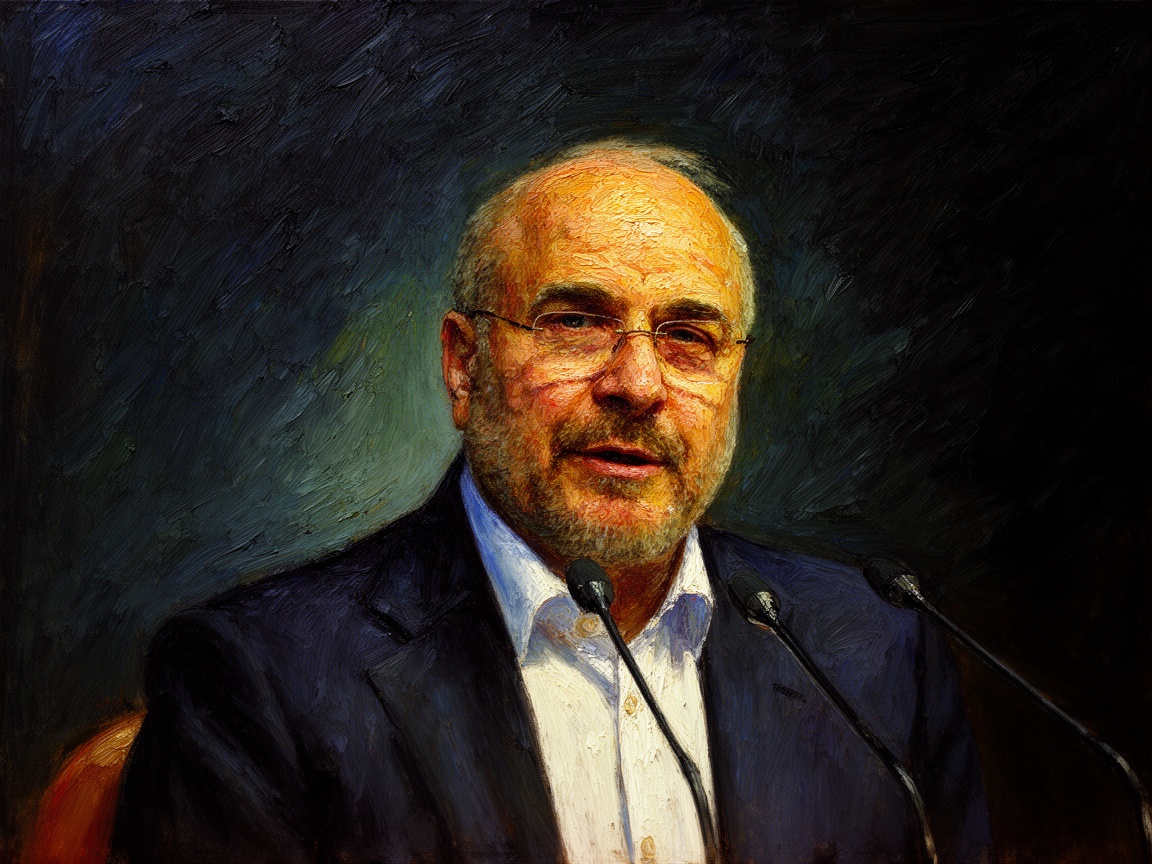
Ghalibaf: Lebanon ceasefire as crucial as Iran's
Iranian parliamentary speaker frames Lebanon ceasefire on par with Iran’s own crisis settlement. Tehran aims to pressure Washington and Tel Aviv for a permanent halt to fighting across conflict zones. The rhetoric signals a coordinated push to elevate Iran’s role in regional diplomacy and dissuade external escalation.
The core development is a public assertion by Iran's parliamentary speaker that a ceasefire in Lebanon is as important as any settlement within Iran. He ties Lebanon's stability to Tehran's broader campaign for a universal, enduring halt to hostilities across all war zones. The statement positions Iran as a central arbiter in regional peace, insisting that diplomatic progress in Beirut mirrors the priorities set by Tehran.
Context shows Lebanon's suzerainty battlegrounds, Hezbollah's enduring role, and a fragile balance of power shaped by external actors. Iran has long argued that the greatest threat to Sinai, the Levant, and the Persian Gulf is fragmentation and recurring rounds of conflict. By elevating Lebanon to parity with Iran, the speaker signals a strategic attempt to pressure the United States and Israel to recognize a permanent ceasefire framework across multiple theaters.
Strategically, the message underscores Iran's insistence on multilateral security arrangements that diminish Western and regional rival leverage. If Lebanon's crisis is framed as an issue of stability impacting Iran's neighborhood, Tehran can argue that peace in one flashpoint reduces the likelihood of spillover into others. This could help Iran shape regional diplomacy by creating a narrative of equal stakes across theaters, thereby complicating Western-led efforts to coordinate a sustained pressure campaign.
On the technical side, the speaker's remarks do not cite new weapons programs or force deployments. Instead, they leverage diplomatic language to amplify an existing discourse: that Iran seeks permanent ceasefires as a foundation for strategic influence. The rhetoric may foreshadow future calls for joint regional patrols, confidence-building measures, or integrated ceasefire monitors, should Tehran decide to elevate this approach in diplomacy and negotiations.
Likely consequences include increased pressure on Washington and Tel Aviv to articulate a coherent, long-term ceasefire strategy that accommodates Tehran's worldview. If Iranian messaging resonates, regional actors may pursue parallel, partially coordinated agreements to stabilize key flashpoints. The trend could also raise the temperature of public diplomacy, with competing blocs arguing for or against a Tehran-centered peace architecture that links Lebanon to broader regional security concerns.