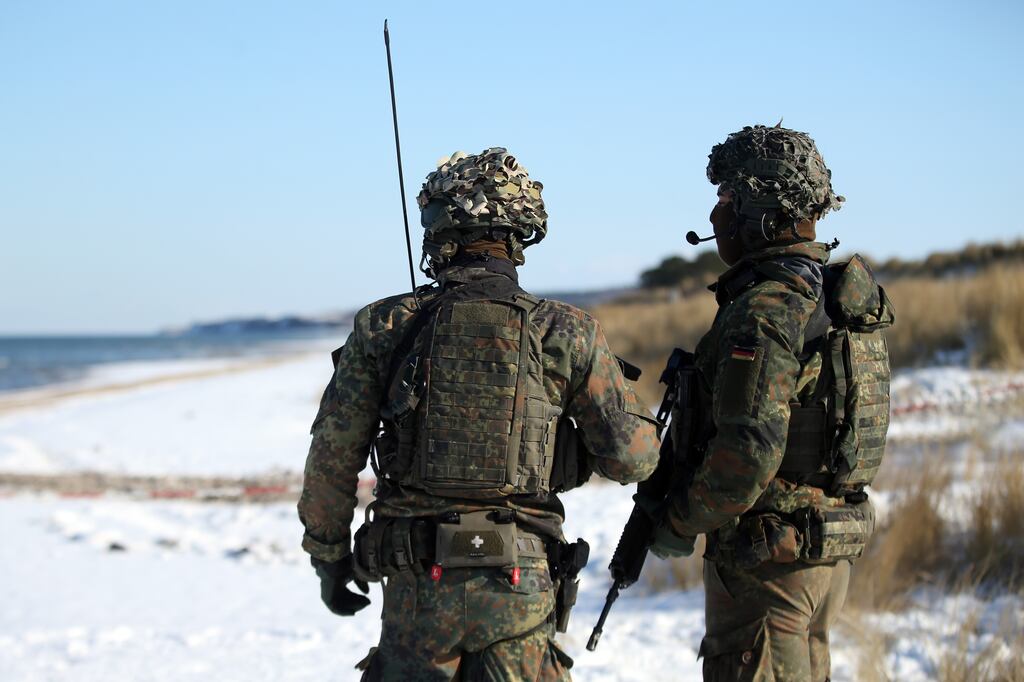
Germany Unveils Overhaul Aims to Make Bundeswehr Europe's Strongest Conventional Force
Germany announces a sweeping two-decade plan to reshape the Bundeswehr. The initiative signals a major shift in European security architecture and dissuasion dynamics. Berlin positions the force to rival continental peers in conventional capability, signaling sustained defense investments and structural reform.
Germany moves to fundamentally reshape the Bundeswehr with a comprehensive, two-decade program. The government released a suite of strategic documents outlining reforms across doctrine, force design, procurement, and readiness. The plan seeks to elevate Germany’s military standing as a pillar of European security, aiming to become Europe’s most capable conventional fighting force in coming years. Officials emphasize a modernized, highly interoperable force ready to meet evolving threats and alliance commitments. Berlin frames the overhaul as a direct response to shifting strategic dynamics and alliance expectations.
The background is a deliberate shift from incremental modernization toward a coherent, long-term restructuring. Germany’s defense debate has long focused on capability gaps and budgetary discipline; the new package pins those concerns to a broader strategic rationale. The overhaul aligns with broader European defense ambitions and NATO deterrence strategies, signaling Berlin’s willingness to shoulder greater responsibility. Analysts expect the reform to accelerate industrial collaboration and joint exercises with allied partners. The package also reflects lessons from recent regional tensions and evolving air, land, and cyber warfare domains.
Strategically, the plan redefines Germany’s role in deterrence and crisis management. By upgrading conventional forces, Berlin seeks to strengthen two core levers: dissuasion and rapid response. The emphasis is on survivable formations, long-range precision strike planning, and robust military mobility across Europe. The reforms aim to reassure allies while signaling that Germany will not shy away from confronting a multipolar security landscape. The evolution could recalibrate regional power dynamics and alliance calculations in coming years.
Technical and operational details remain high-level in early disclosures. The government points to expanded force structures, enhanced logistical networks, and accelerated defense procurement cycles. Goals include modern main battle systems, improved air- and sea-denial capabilities, and greater synergy with NATO’s integrated command framework. Budgetary envelopes and concrete weapon system selections will evolve in subsequent budget cycles as industrial partnerships mature. Specific timelines will be clarified in phased rollout plans over the next several years.
Looking ahead, the overhaul will test Germany’s political consensus and industrial base. If sustained, it could raise European defense spending, spur new forms of alliance-based interoperability, and intensify regional competition for defense contracts. The risk lies in execution: budgetary discipline, supply chain resilience, and political will must align over two decades. Analysts will watch how the Bundeswehr’s new structure adapts to hybrid threats and continuous modernization pressures, shaping Europe’s strategic balance.