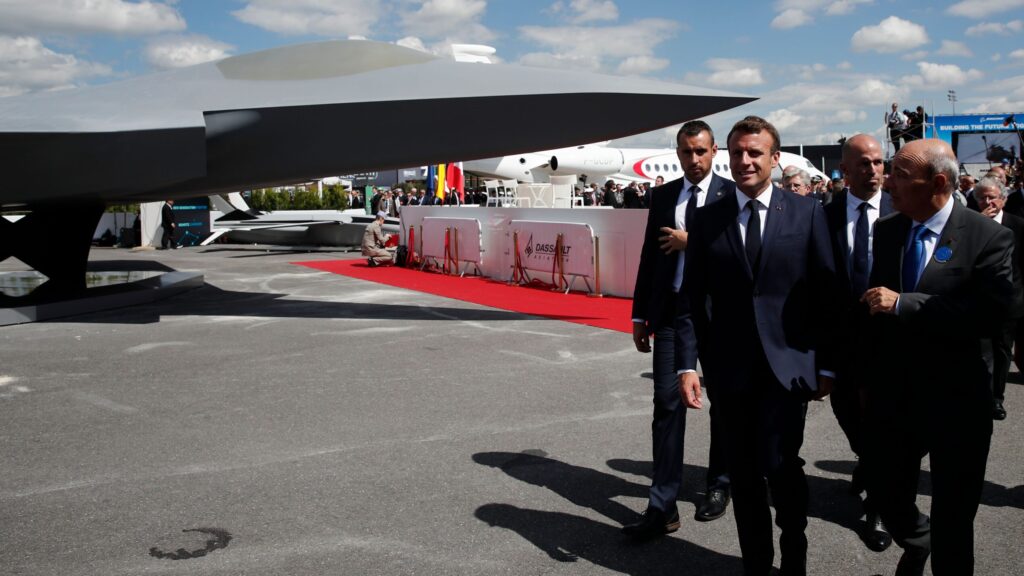
Germany Faces FCAS Fighter Collapse Deadline This April
Germany's decision to meet the April deadline for the Future Combat Air System (FCAS) project is critical amid escalating Airbus-Dassault disputes over leadership and workshare. The project's survival influences European airpower modernization and strategic autonomy.
Germany approaches an April deadline to salvage the Future Combat Air System (FCAS) fighter jet program, currently threatened by intense disputes between Airbus and Dassault. The aerospace giants clash violently over leadership roles and division of workshare, risking derailment of the entire project.
FCAS is a cornerstone of Europe's ambition to develop next-generation combat aircraft, intended to replace aging fleets in Germany, France, and Spain. Initiated in 2017, the program symbolizes efforts for strategic autonomy and advanced military capability.
The dispute escalated in recent months as Airbus, representing German interests, demands a controlling stake alongside Dassault, the French lead contractor. This battle reflects broader Franco-German tensions in defense collaboration and risks fracturing EU defense integration.
Technically, FCAS aims to integrate manned fighters, unmanned systems, and a networked combat cloud, leveraging cutting-edge stealth, artificial intelligence, and sensor fusion. The program, valued at over €100 billion, is a complex multinational endeavor with heavy investments and geopolitical stakes.
Failure to reach a compromise by April could collapse the project, delaying Europe's acquisition of advanced air combat systems and ceding technological edge to rivals like Russia and China. The outcome will test European defense cohesion and reshape the continent’s strategic landscape.