Germany Buys 4 MEKO Frigates Amid F126 Delay Crisis
Germany’s decision to procure four MEKO A-200 frigates off-the-shelf underscores growing pressure on its naval capabilities due to delays in the F126 program. This stopgap move reflects risks in sustaining maritime defense readiness amid aging Brandenburg-class ships. The acquisition highlights shifting German defense priorities and potential shifts in European naval balance.
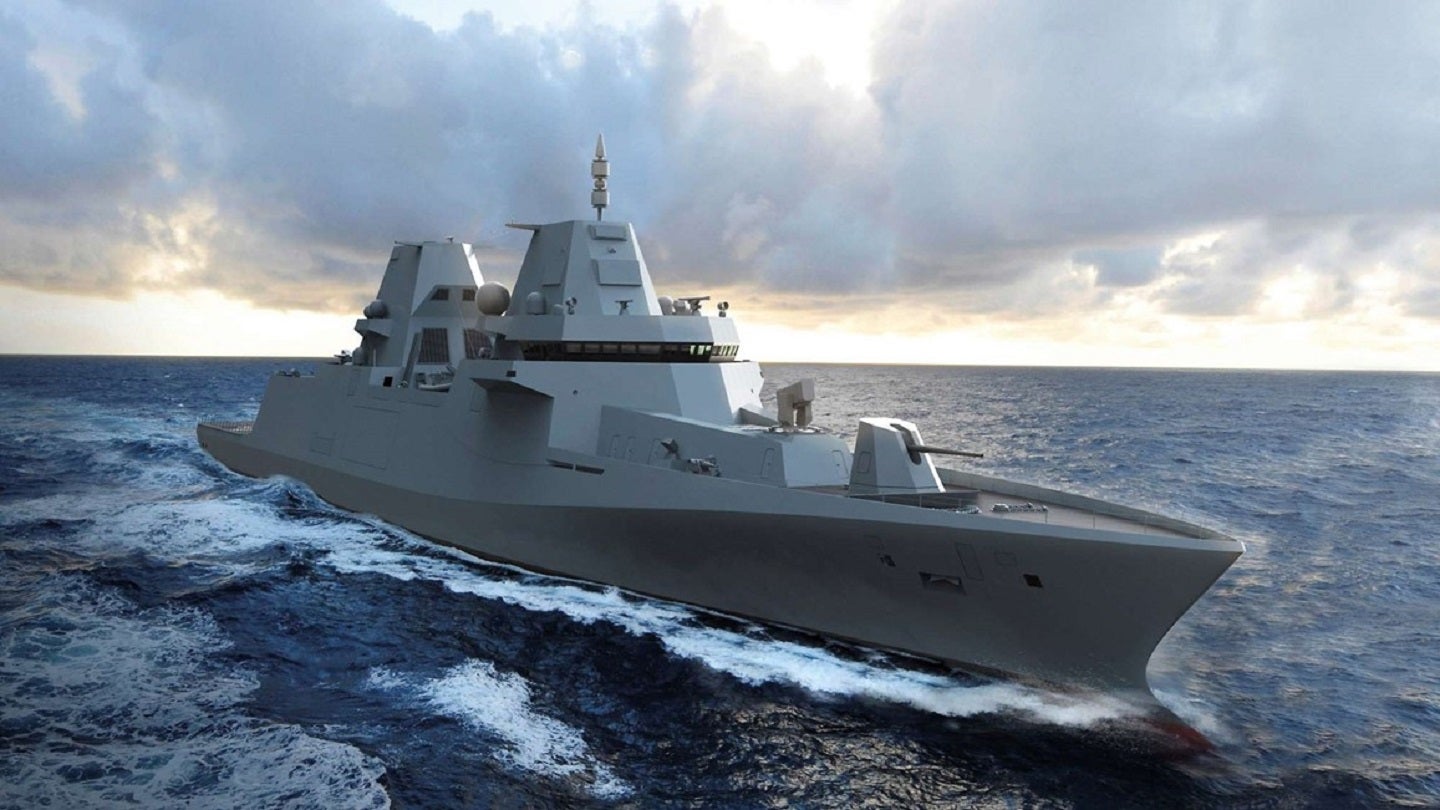
Germany has announced the purchase of four off-the-shelf MEKO A-200 frigates to bridge gaps caused by delays in the F126 frigate program. This decision comes as the new F126 class, intended to replace the aging Brandenburg-class vessels, faces significant schedule setbacks. The interim MEKO frigates acquisition aims to maintain operational naval capacity in the face of this procurement crisis.
The F126 frigates were designed to be the flagship surface combatants for the German Navy moving forward, integrating advanced stealth and modular design. However, persistent technical and industrial delays risk undermining Germany’s maritime strategy, especially as Brandenburg-class ships approach obsolescence. The MEKO A-200 option represents a pragmatic fallback to ensure fleet readiness.
Strategically, this move signals mounting concerns within Germany about securing its maritime defense amid wider European security challenges. By purchasing proven MEKO designs manufactured by ThyssenKrupp Marine Systems, Germany mitigates risk and avoids extended capability gaps. Such developments also affect NATO naval balance, reinforcing interim force structures while high-tech programs stall.
Technically, the MEKO A-200 frigate displaces approximately 3,700 tons and features a versatile modular design with modern combat systems, including anti-air, surface, and sub-surface warfare capabilities. The four-vessel order is estimated in the mid-billion euro range, positioning these frigates as robust though less advanced stand-ins compared to the F126’s projected state-of-the-art systems.
Looking ahead, Germany’s procurement highlights the vulnerabilities inherent in relying on cutting-edge naval programs without contingencies. While the MEKO purchase sustains critical capabilities temporarily, it raises questions over the timeline and cost escalations of the F126 program. These tensions complicate both national and allied naval planning in an increasingly contested European maritime domain.