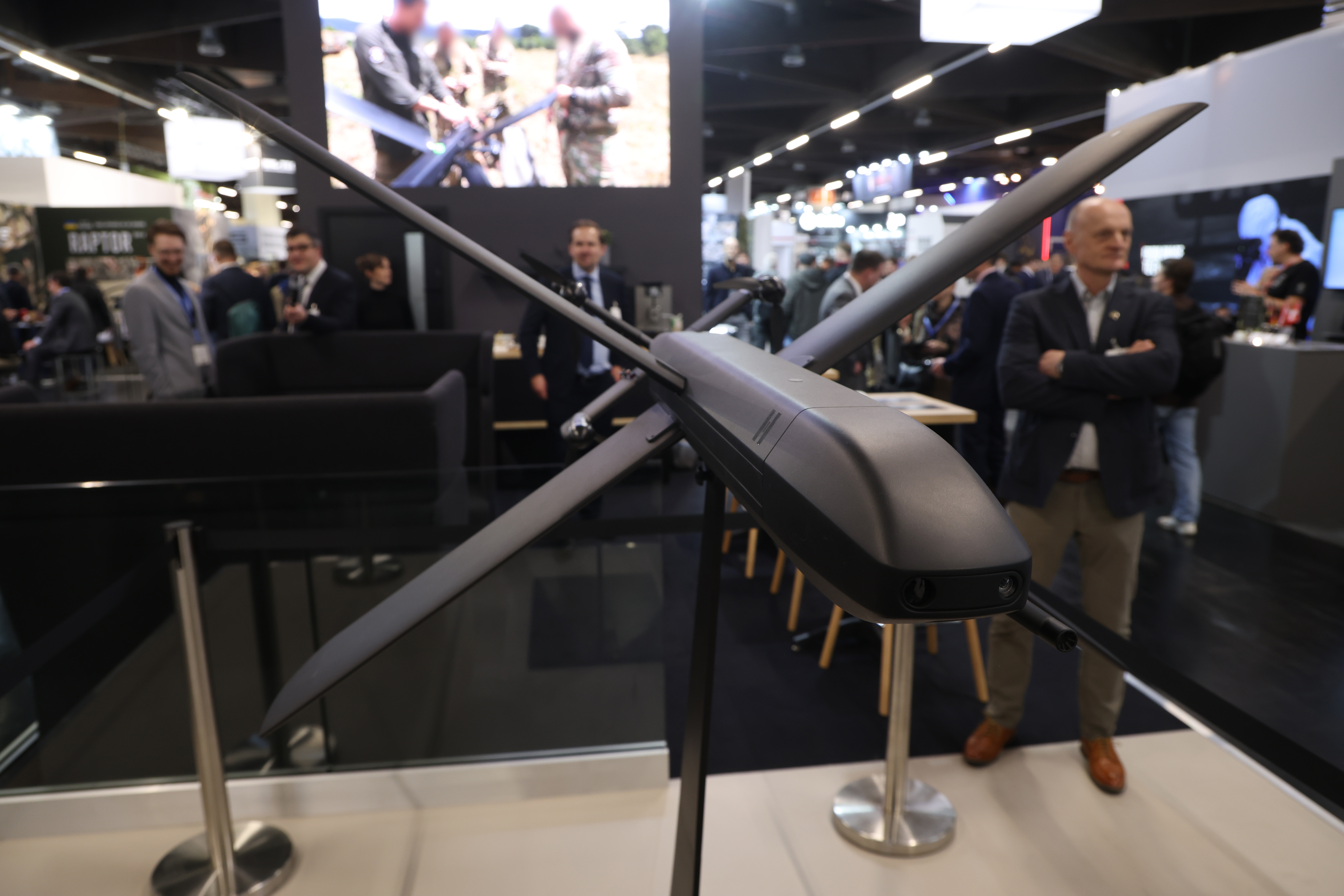
Germany Arms Up with Billions in One-Way Attack Drone Contracts
Germany's decisive move to invest billions in domestic one-way attack drones marks a significant shift in military procurement and capabilities amid rising security threats. This escalation underscores the urgency for Europe to enhance its defense posture against increasingly aggressive state actors.
Germany is committing billions of euros to bolster its military capabilities by investing heavily in domestic manufacturers of one-way attack drones. This transformative decision, which follows a pattern of increased military expenditure among NATO nations, signals a proactive shift in Germany's defense strategy that directly responds to escalating geopolitical tensions across Europe.
Historically hesitant regarding military armament, Germany has significantly recalibrated its defense policy since the onset of the Ukraine conflict and provocations from Russia. The reluctance has shifted towards an assertive stance, marked by increased military spending after decades of post-Cold War budget constraints. This latest commitment to drone production exemplifies Germany’s response to threats in a rapidly changing global security environment, reasserting its role as a major military player in Europe.
This development is consequential because it alters the balance of military power within Europe, particularly in relation to Russia and other hostile actors. As state forces increasingly turn to unmanned systems for tactical advantages, Germany’s investment in one-way attack drones could provide the Bundeswehr with unique strike capabilities, reshaping operational dynamics in potential future conflicts. The move raises the prospect of a growing arms race in drone technology across Europe, pressing neighboring nations to accelerate their own military innovations.
Key players in this initiative include Germany’s federal government and three emerging manufacturers poised to capitalize on this multi-billion euro program. Motivated by both economic incentives and the pressing need for enhanced defense capabilities, these companies stand to gain significantly while reflecting Germany’s broader strategy to decentralize its defense procurement and lessen reliance on foreign technology. This shift is also indicative of a growing recognition that sovereign defense capabilities are essential for national security.
The proposed contracts will facilitate the procurement of one-way attack drones, enhancing strike range and operational efficiency. Unlike traditional drones, these systems are designed to be expendable, increasing the tactical options available to the German military while also reducing the cost of operations. Precise figures on the quantity of drones to be developed or the full financial implications of these contracts remain undisclosed, but market analysts speculate that investments could surpass €3 billion over the next decade.
The implications of Germany's substantial investment in drone technology are profound, particularly in terms of potential future conflicts. With Russia's aggression and China’s military assertiveness escalating, Germany's escalation in drone capabilities signals a readiness to confront these threats directly. However, this also invites retaliation or countermeasures from adversaries as they adjust their military strategies in response to Germany's enhanced capabilities.
Historically, investments in military technology such as drones have demonstrated a tendency to escalate conflicts rather than mitigate them, evidenced by developments in the U.S. and Israel. As nations compete in the arms race for advanced technologies, what began as defense measures can quickly evolve into lines drawn in conflict zones, as seen in various regional confrontations in the Middle East and Eastern Europe.
Moving forward, key indicators to watch include developments in other European nations' military strategies, especially those that feel threatened by Germany’s drone capabilities. The response from NATO allies, potential partnerships, or escalations from adversary states will also provide critical intelligence on how this shift impacts the broader European security landscape, as tensions heighten in light of differing defense paradigms.