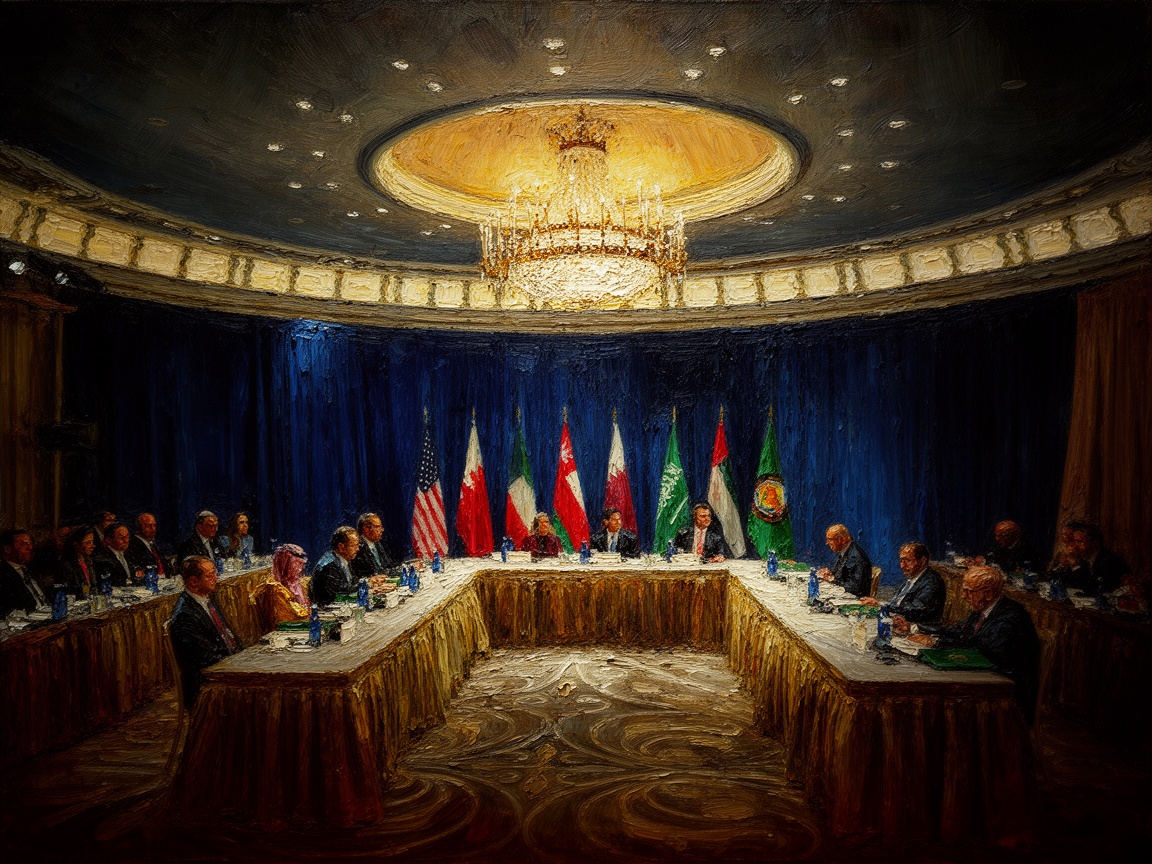
GCC Unity Demands Joint Defence and Development Push
The Gulf Cooperation Council moves beyond consensus on peace toward concrete, coordinated security and economic strategies. A unified front on defence, energy resilience, and development will reshape regional power dynamics. The push signals a new era of institutional integration among GCC states.
The GCC is pushing from rhetoric into structured collaboration on defence and development. Leaders have signaled a commitment to joint defence planning, combined exercises, and defense-industrial cooperation. This shift aims to reduce reliance on external security guarantees while expanding regional deterrence capabilities.
Background: The GCC's evolution reflects decades of security-sharing arrangements, but recent tensions and strategic shifts in the Middle East have pressed for deeper integration. Energy security and diversification of supply chains are central, as is coordination on cyber, space, and asymmetric threats. The bloc faces a shared need to manage diplomatic frictions with nearby states while preserving unity of purpose.
Strategic significance: A consolidated GCC defence posture would alter the balance of power in the region, potentially influencing external actors’ calculations. By pooling resources, the bloc could accelerate modernization of air, naval, and missile capabilities and advance a common security doctrine. The development agenda also positions GCC states to leverage energy diplomacy for broader strategic influence.
Technical/operational details: Expected steps include joint procurement frameworks, standardized training pipelines, and collaborative R&D in defense technologies. Energy security measures likely focus on resilience, strategic reserves, and cross-border grid reliability. Budgets are likely to grow for regional industrial partnerships, offsets, and integrated logistics networks to support combined operations.
Consequences and forward assessment: If successfully implemented, the initiative could reduce fragmentation and raise the regional deterrence threshold. It may also attract new security partnerships and investment in civilian-military fusion projects. Short-term challenges include aligning national industrial policies, export controls, and political consensus across diverse states.