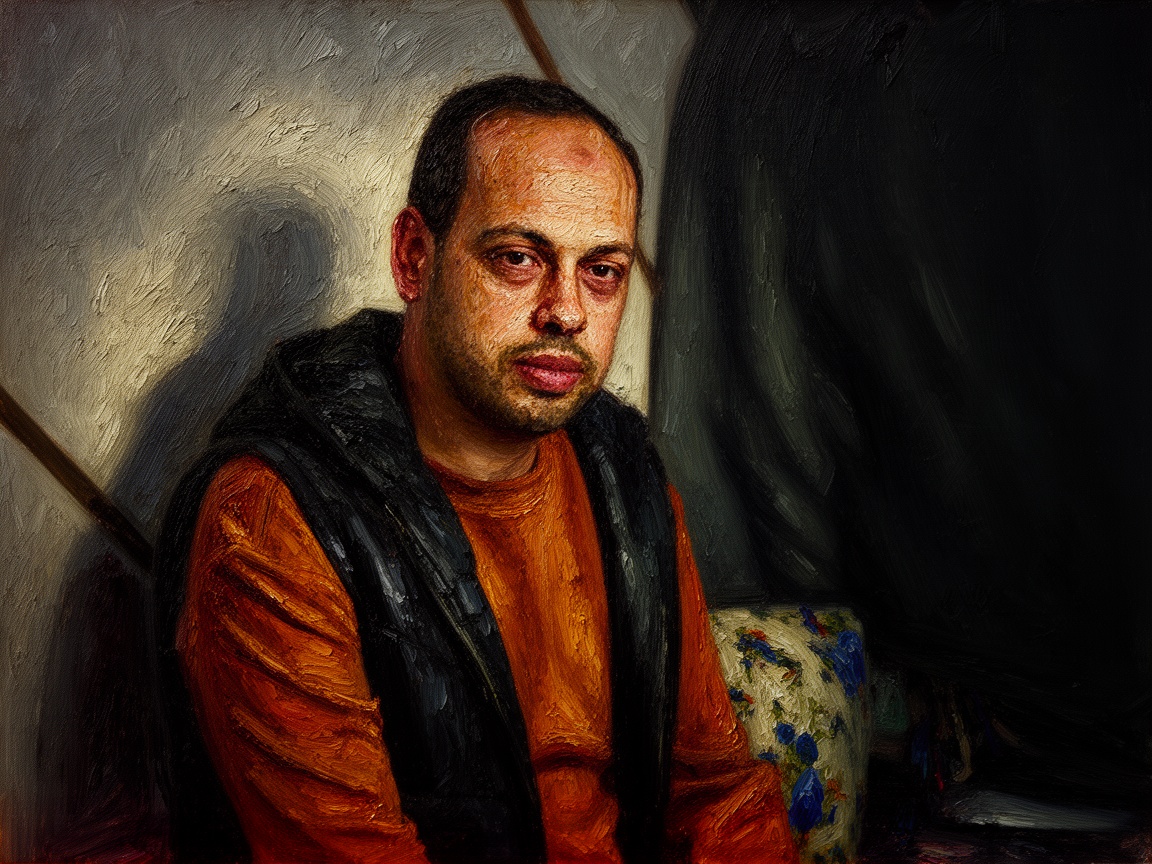
Gaza Father Fights Over Child Who Might Not Be His
The Gaza father, Mohammed Lubbad, endures a personal crisis after his wife Amal dies in Israeli air strikes while pregnant. He later learns she delivered a baby, but the child’s paternity remains in doubt. The case highlights the human toll and uncertainty that war imposes on families in conflict zones.
The core development is stark: a Gaza father confronts a possible paternity dispute tied to wartime loss. Amal's death during Israeli air strikes leaves Mohammed with a newborn scenario he never anticipated. The situation thrusts a family into a legal and emotional maelstrom amid ongoing hostilities. The immediate fact remains: a child exists, but the father’s claim to paternity is not confirmed.
Background context centers on the extreme vulnerability of Gaza households during sustained conflict. War zones routinely blur lines between life and death, complicating bereavement, social services, and civil documentation. In households like Mohammed's, the death of a spouse intersects with displacement, medical uncertainty, and the scramble to establish identity and guardianship. The broader picture is a region where families routinely navigate uncertain futures in the wake of air strikes and blockades.
Strategic significance in this personal crisis is measured not in troop movements but in the resilience of civil society under pressure. The case underscores how warfare degrades family cohesion, exposes gaps in civil records, and strains local institutions responsible for birth, death, and guardianship. It also illustrates the indirect ways conflict alters demographic and social dynamics, even when no combat is actively reported in a given moment.
Technical or operational details are sparse by design, given the human-centric nature of the story. The only concrete facts are the wartime death of Amal, the birth of a baby, and the unresolved question of paternity. No military assets, budgets, or tactical changes are documented in the report. What remains crucial is the procedural path—how civil authorities, medical practitioners, and family networks handle guardianship and inheritance under siege conditions.
Likely consequences and forward assessment point to prolonged legal ambiguity for the child, potential court or mediation involvement, and continued emotional strain on Mohammed. The outcome will hinge on local civil procedures, documentation standards, and family support mechanisms amid ongoing insecurity. In a broader sense, the episode foreshadows how civilian families in Gaza may repeatedly face similar questions as mortality intersects with birth in a conflict environment.