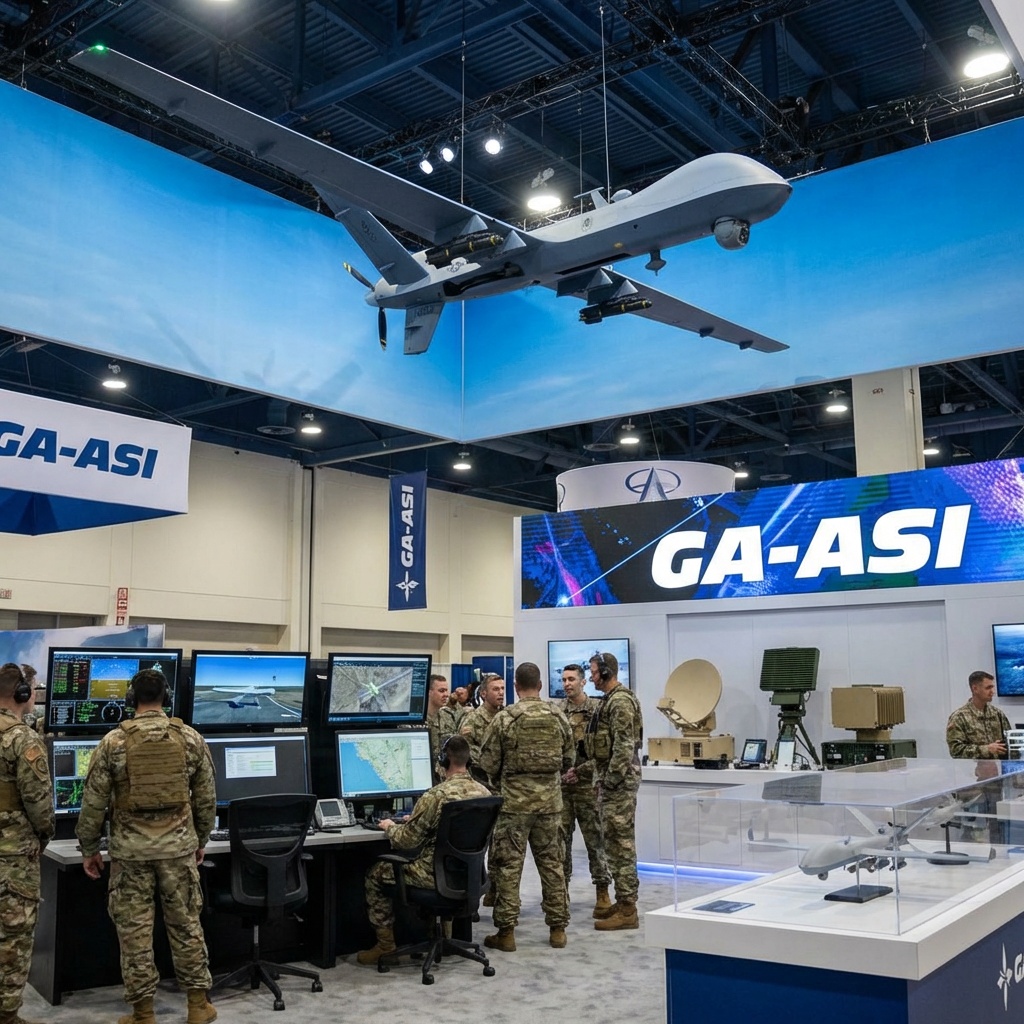
GA-ASI to Equip MQ-9B SeaGuardian with Long-Range Weapons
General Atomics Aeronautical Systems Inc. (GA-ASI) announced plans to enhance its MQ-9B SeaGuardian and SkyGuardian UAVs with long-range standoff weaponry capabilities. This development aims to broaden the operational versatility and strategic reach of these unmanned aerial systems.
General Atomics Aeronautical Systems Inc. (GA-ASI) has unveiled its intention to mount long-range standoff weapons on its MQ-9B SeaGuardian and SkyGuardian remotely piloted aircraft (RPA). This enhancement will significantly improve the strike capabilities of these UAVs, enabling them to engage targets from greater distances while remaining outside of enemy defenses. The incorporation of such advanced armament is expected to elevate mission profiles for surveillance and strike operations across diverse environments.
The MQ-9B SeaGuardian, designed for maritime operations, and the SkyGuardian, primarily suited for land-based missions, have been developed as versatile platforms capable of supporting a range of military objectives, including intelligence, surveillance, reconnaissance (ISR), and precision strike missions. By integrating long-range weapons, GA-ASI aims to increase the operational flexibility of these platforms, allowing them to respond to emerging threats without the need for close aerial support.
From a technical perspective, these UAVs are expected to utilize advanced weaponry systems that may include the AGM-86 ALCM or similar standoff munitions, capable of reaching targets hundreds of miles away. The enhanced architecture of the MQ-9B includes improved data links, radar, and sensors, further bolstering the aircraft's capability to operate effectively in contested environments. The ability to engage targets at long stand-off ranges could also minimize the risk posed to operators and reduce collateral damage in localized engagements.
Strategically, the introduction of long-range weapons to the MQ-9B SeaGuardian and SkyGuardian presents significant implications for both military deterrence and engagement strategies. The capability to project power at extended ranges enhances the United States' ability to counter asymmetric threats and conduct persistent operations in hostile regions while maintaining an element of surprise. Such advancements may also influence the military doctrines of allied nations looking to bolster their UAV capabilities and extend their operational reach.
Developed by GA-ASI, both the SeaGuardian and SkyGuardian have been positioned as critical components of modern unmanned warfare. Their versatility and robust operational envelopes make them valuable assets in the evolving defense landscape. By upgrading these systems with long-range strike capabilities, GA-ASI reflects an understanding of modern warfare needs, reinforcing the strategic relevance of unmanned systems in future conflicts.