Fukushima Crisis: Abandoned Pets Highlight Ongoing Human Cost of Disaster
The aftermath of the Fukushima disaster continues to haunt Japan, with abandoned pets serving as a grim reminder of the human and ecological toll. Efforts by individuals like Toru Akama to care for these animals illustrate the enduring consequences of nuclear crises.
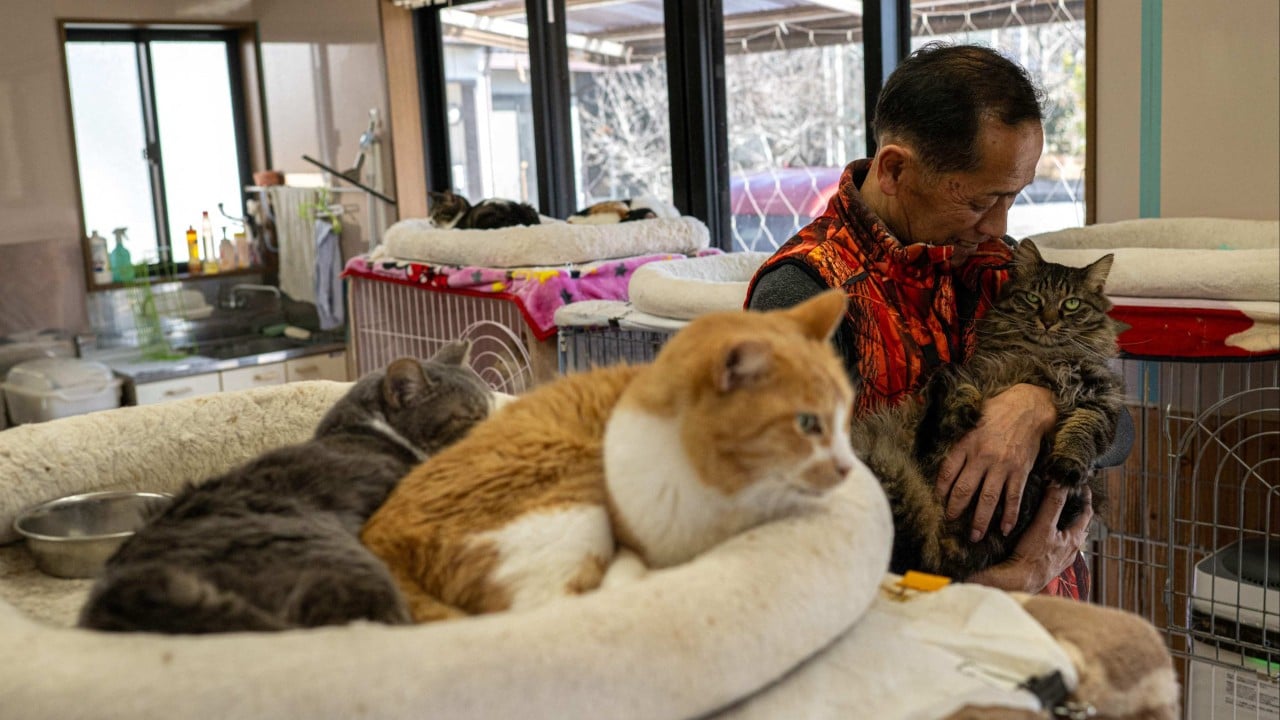
Fifteen years after the catastrophic triple disaster at Fukushima, which included a massive earthquake, subsequent tsunami, and nuclear meltdown, former plant worker Toru Akama is dedicated to caring for an estimated 100 abandoned pets in the region. These animals were left behind as owners evacuated the area in fear of radiation exposure, highlighting the prolonged impact on both human life and animal welfare. Akama, now 63, has made it his mission to provide food and shelter for these discarded pets, seeing it as a personal responsibility born from his work at the plant.
The Fukushima Daiichi Nuclear Power Plant disaster unfolded on March 11, 2011, leading to widespread contamination and the evacuation of thousands. Despite the government’s efforts to decontaminate the area, many residents have been too traumatized or fearful to return home. Additionally, the complexities surrounding nuclear policy in Japan have stoked public anxiety and distrust regarding safety measures, resulting in lasting impacts on local communities and wildlife.
This situation underscores not only the human tragedy of Fukushima but also the strategic implications for nuclear safety worldwide. Japan's struggles with nuclear waste management and the need for effective disaster response systems expose vulnerabilities in global nuclear policies. The Fukushima disaster has catalyzed widespread scrutiny of nuclear energy capabilities, with many nations reassessing their energy strategies in light of Japan’s experiences.
Key actors in this ongoing crisis include not only Akama but also local government officials, animal welfare organizations, and the Japanese government itself, which has faced criticism for its handling of the disaster's aftermath. Akama's motivations stem from a sense of guilt and redemption linked to his role in the nuclear plant’s operation, raising important ethical questions about responsibility in the wake of technological failures.
Operationally, the situation remains dire for the abandoned pets. With limited resources diverted to disaster recovery efforts, Akama's individual initiative highlighted the gaps in state response to animal welfare in post-disaster recovery. The lack of substantial government support for these retrieved pets raises pressing questions about resource allocation after major crises, further complicating humanitarian responses in the region.
The continued care for these abandoned animals could represent a grassroots movement towards wider awareness and action regarding the lingering effects of nuclear disasters. Future efforts may seek to solidify partnerships between local volunteers and government agencies to address the ongoing implications of Fukushima, potentially reshaping Japan's disaster response landscape.
Historically, incidents of pet abandonment have followed significant disasters worldwide, suggesting a recurring pattern of neglect that often comes after environmental crises. The cases of Hurricane Katrina in the United States and the 2010 Haiti earthquake illustrate similar heartbreaking challenges, where animals are left behind in the chaos of human displacement.
Looking ahead, key indicators to watch include government policy shifts regarding nuclear energy and disaster preparedness, the potential for increased community action in animal welfare, and the public's ongoing response to the lessons learned from Fukushima. Increased awareness could lead to broader societal shifts in how nations prepare for and respond to nuclear crises in the future.