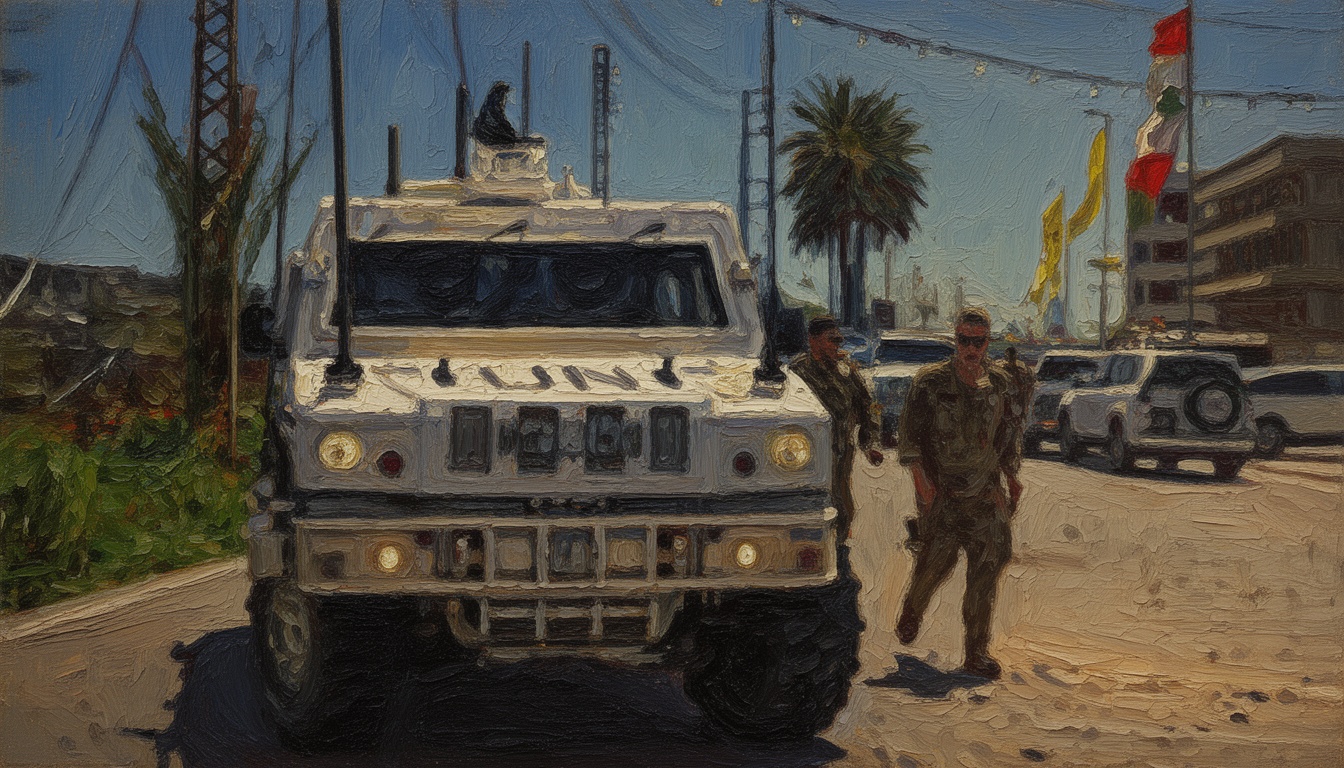
French peacekeeper killed in southern Lebanon
A French UNIFIL peacekeeper has been killed in an incident in southern Lebanon. Paris blames Hezbollah for the attack, while the Iran-backed group denies any involvement. The incident raises already fragile regional tensions and tests the durability of the Lebanese border security dynamic.
A French peacekeeper was killed in southern Lebanon in a confrontation tied to ongoing hostilities near the UN interim force's area of operation. Initial reports indicate an attack on a UN convoy or security post, with casualties confirmed by Paris. The French government quickly attributed responsibility to Hezbollah, prompting a call for heightened vigilance and potential retaliation or enhanced protective measures for UN personnel. The incident marks a new flashpoint in a region where militant groups, state actors, and international peacekeepers intersect with fragile ceasefire arrangements.
Contextually, southern Lebanon has long been a flashpoint due to the enduring Israeli-Lebanese border tension and the influence of Iran-backed militias within Lebanon. Hezbollah maintains significant operational depth and political legitimacy in parts of the country, complicating any attribution of violence and raising the risk of broader spillover. The attack from the Lebanese-Syrian frontier zone would fit a pattern of limited, high-impact strikes used to signal resolve without triggering full-scale war. International diplomacy is already pressed to prevent escalation and preserve UNIFIL’s freedom of movement.
Strategically, the killing underscores the resilience of non-state actors to exert coercive pressure near UN forces. If Hezbollah is found to be involved, the event could invite regional responses, including tightened border surveillance, increased airspace monitoring, and possible sanctions or diplomatic démarches aimed at deterring future assaults on peacekeepers. It may also influence Israel's calculations around deterrence, border security, and potential responses that risk widening the conflict. Regional powers will watch closely for signs of a broader realignment or rapid escalation envelope.
Operationally, scant public details limit precise weapon systems or tactics. The incident reportedly involved a short-range attack or ambush near a UN position, with communications and logistics implications for ongoing missions. UNIFIL has historically relied on a mix of armored protection, patrols, and coordinated rules of engagement to minimize civilian harm while preserving freedom of movement. Military budgets linked to overseas deployments could face renewed scrutiny as allies debate readiness and risk appetite for high-threat environments.
Looking ahead, the incident will likely trigger a review of UN force protection protocols, rules of engagement, and interposition patrol routines. If attribution holds, expect intensified diplomatic pressure on Hezbollah and potentially a recalibration of the deterrence balance in southern Lebanon. The geopolitical ripple effects could touch Iran’s regional posture and Israel’s security calculations, raising the risk of miscalculation in a sensitive border region.