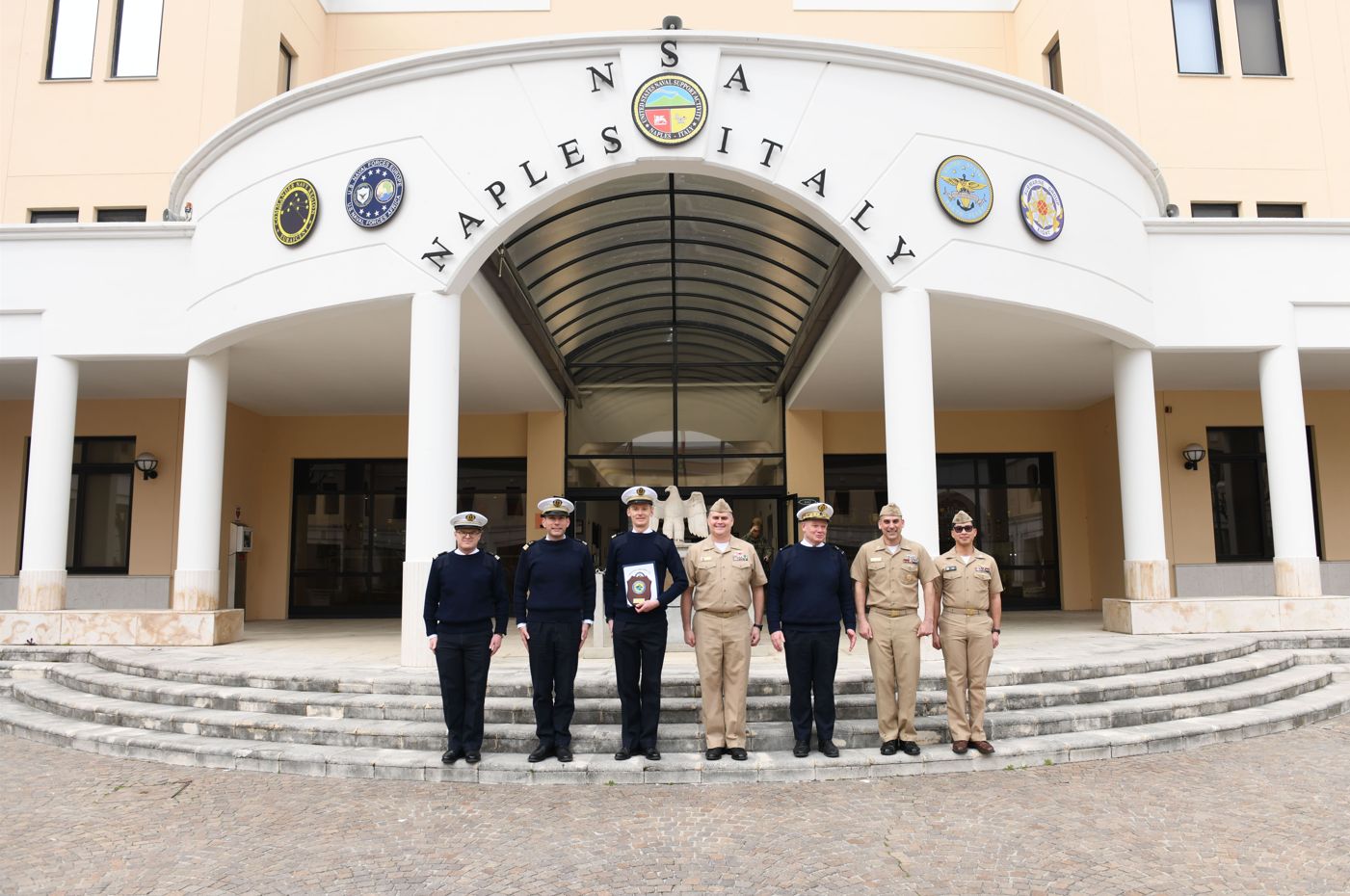
French Navy's FREMM Frigate Dominates US Anti-Submarine Warfare Award
The French Navy's FREMM frigate Aquitaine secures the US Navy's prestigious 'Hook 'Em' award for excellence in Anti-Submarine Warfare, underscoring strategic maritime capabilities amid rising global naval tensions.
The French Navy's FREMM frigate Aquitaine has won the U.S. Navy's 'Hook 'Em' award for outstanding Anti-Submarine Warfare (ASW) capabilities, marking a noteworthy achievement as it is the fifth time a French unit received this recognition. The award reflects the increasing competence of the FREMM class in tracking and identifying submarine threats, crucial as tensions in the world's oceans escalate. This success not only highlights the operational effectiveness of the French Navy but also affirms its ASW superiority in a naval landscape increasingly defined by competition between major powers.
The FREMM frigates, introduced into service in the early 2010s, were developed in response to the evolving naval warfare challenges, particularly concerning submarine threats. The Aquitaine specifically has been active in various global maritime operations, demonstrating a capacity for advanced sonar and multi-mission capabilities. France has historically invested in sophisticated naval technologies, cultivating a fleet that has consistently performed well against ASW challenges presented by adversaries such as Russia and China.
This recognition of the Aquitaine's capabilities comes at a time when the balance of naval power is shifting, particularly in the context of rising Chinese naval expansion and a resurgent Russian submarine fleet. The successful demonstration of ASW proficiency serves to reinforce France's maritime deterrent posture, potentially complicating strategic calculations for both China and Russia. Furthermore, it signifies the growing interoperability of allied forces in countering underwater threats, a rising concern in naval theaters worldwide.
The motivations behind the U.S. Navy awarding the 'Hook 'Em' award to French units indicate not only recognition of excellence but also a nod toward strengthening allied naval cooperation. The U.S. Navy has emphasized collaborative efforts in maritime security, particularly in the face of more assertive actions by state and non-state actors in critical waterways. France, through its advanced shipbuilding and naval strategies, remains a key partner for the U.S. Navy, as both nations seek to maintain maritime dominance in turbulent geopolitical environments.
Operationally, the FREMM frigates are equipped with cutting-edge sonar systems and advanced ASW armaments, including the Eurotorp MU90 torpedo, which can engage submerged threats effectively. These frigates displace over 6,000 tons and boast a multi-role capability, allowing them to operate across a spectrum of missions beyond ASW. With a substantial budget allocated toward modernizing naval capabilities, France underscores an intent to remain at the forefront of maritime warfare technology.
The implications of this award extend beyond mere recognition, as they point toward a potential escalation in naval competition among Western and Eastern naval powers. The demonstrated superiority of French ASW capabilities could provoke responses from adversaries, igniting a technological arms race in maritime domains. The U.S. Navy's ongoing assessments of French capabilities may spark increased investment in countermeasures or developments of new ASW platforms.
Historically, naval competitions have often derived from technological advancements and tactics, where the performance of a singular class can shift the entire balance of power at sea. The ongoing recognition of French capabilities echoes past periods of naval arms races, such as during the Cold War, when ASW capabilities quickly became a front-line focus as submarine technology advanced.
Looking ahead, analysts should monitor the integration of FREMM frigates into joint operational frameworks with NATO allies, particularly in areas of strategic interest like the Mediterranean and the Indo-Pacific. Intelligence indicators to observe include increased joint exercises focused on ASW, the development of new maritime doctrines, and the potential for investments in submarine detection technologies across allied fleets.