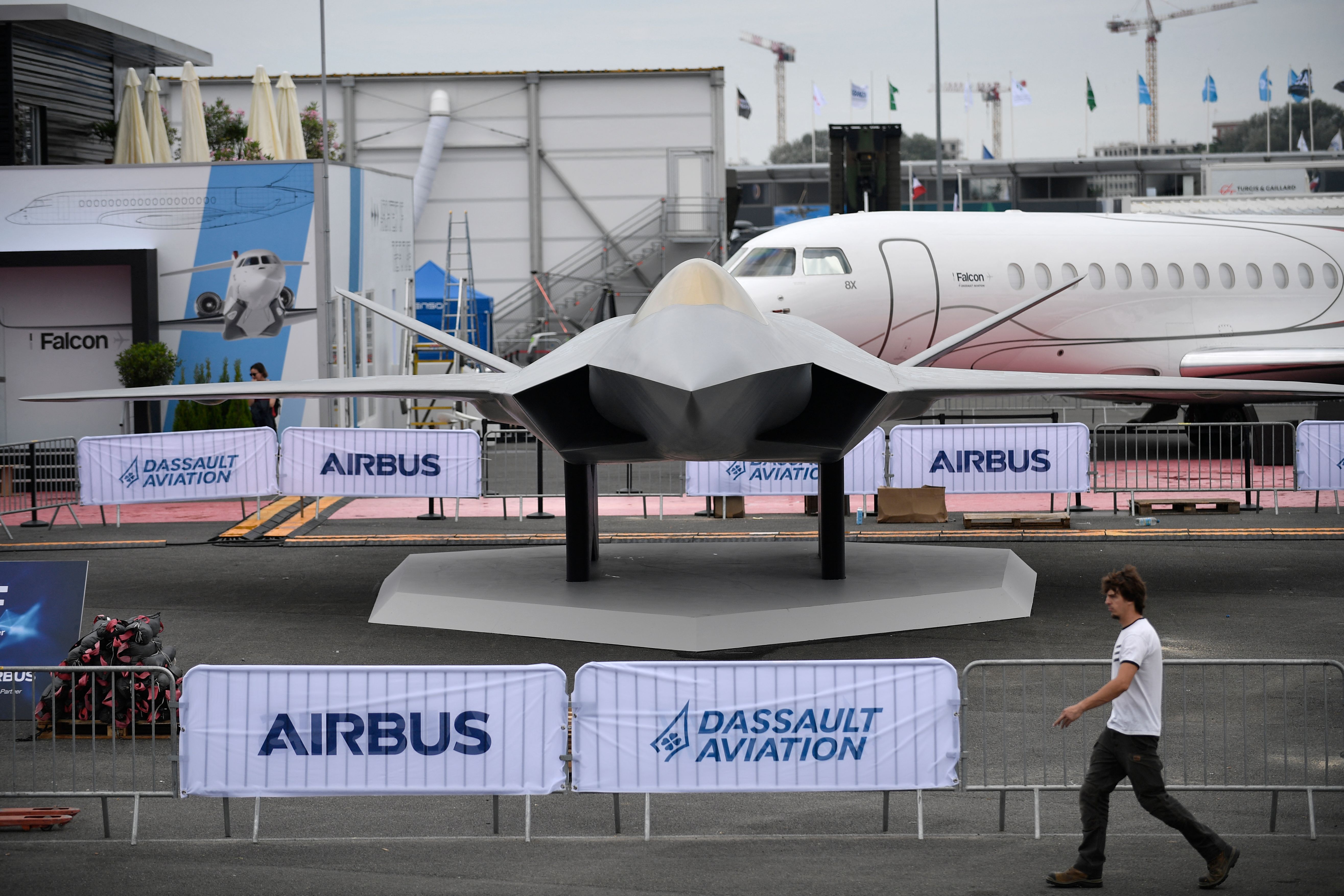
French-German Fighter Program Faces Collapse as Dassault Blames Airbus
The future of the Franco-German fighter jet program hangs by a thread as Dassault Aviation blames Airbus for its potential demise. This standoff jeopardizes European defense integration and opens the door for increased reliance on non-European military technology.
The Franco-German Future Combat Air System (FCAS) program teeters on the brink of collapse after Dassault Aviation's CEO Eric Trappier issued a stark warning, stating the project is 'dead' if Airbus continues its refusal to collaborate with Dassault. This grim assessment reveals deep fractures within the multinational effort, signaling a potential end to what was envisioned as Europe's answers to the rapidly evolving aerial threats posed by global adversaries.
The FCAS program, initiated in 2017, was designed to replace the aging fleets of Rafale and Eurofighter Typhoon jets by the mid-2030s. It represents a significant investment in European military capabilities, with an estimated budget exceeding 100 billion euros. The aim was to enhance cooperative defense amongst European nations, reducing reliance on American technology and bolstering NATO's strategic autonomy in the face of rising threats from Russia and China.
The implications of this program's failure are severe, as it shifts the balance of military power and exposes Europe's vulnerabilities. Without a cutting-edge European fighter jet, European nations risk falling behind as adversaries like the United States and Russia advance their aerospace technologies. The collapse of FCAS would also signal a retreat from integrated European defense initiatives at a time when cooperative military capabilities are crucial for countering aggressive global actors.
Key players in this debacle include Dassault, known for its agile fighter designs, and Airbus, with mass production capabilities but divergent corporate strategies for defense collaboration. Trappier's comments underline a friction point in their relationship, with Dassault seeking commitments from Airbus that the latter appears unwilling to provide. This tug-of-war reveals deeper issues regarding profit margins, technological leadership, and control over program timelines.
Operationally, the FCAS program envisions a sixth-generation fighter integrated with drones and advanced sensor networks. Specifications suggest a complement of unmanned combat air vehicles (UCAVs) operated alongside manned jets, enhancing battlefield awareness and adaptability. Projects of this magnitude require substantial budget allocations, which currently see France and Germany at odds over how funds are to be allocated and managed, with the program's future now hanging in the balance as conflicting priorities emerge.
Should this deadlock persist, the European defense sector could witness an increased fracture, driving nations to seek their own solutions, potentially leading to a proliferation of incompatible systems that undermine collective defense capabilities. Additionally, systems integration with existing NATO assets may become problematic, challenging joint operations in multi-national military engagements.
Historical parallels can be drawn to the Eurofighter Typhoon's troubled development, which faced numerous delays and budget overruns due to similar inter-European conflicts regarding contributions and demands. This situation illustrates the persistent challenges of creating a unified European defense strategy against stronger, singularly-focused adversaries.
As the situation unfolds, monitor statements from both Dassault and Airbus, as well as further reactions from the French and German governments. Watch for potential alternative partnerships or shifts in project direction, especially as the threat landscape in Europe continues to evolve with increased military activity from Russia and ambitious developments from China. The stakes are high for Europe’s defense industrial base and its ability to maintain strategic autonomy in the air domain.