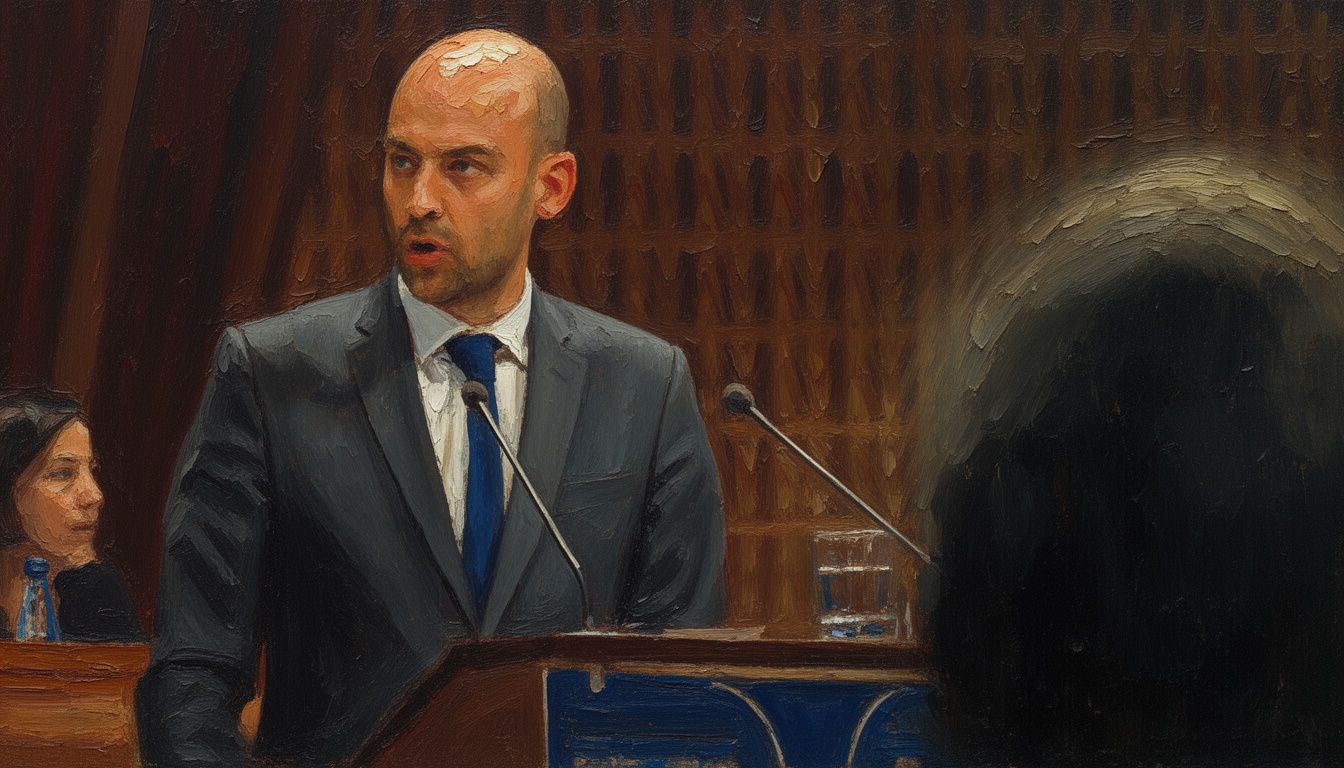
France's Barrot warns on Sahel terrorist threat
French Foreign Minister Jean-Noël Barrot warned of a widening Islamist terrorism threat in the Sahel after talks with Togolese leader Faure Gnassingbé. He stressed that jihadist violence has dominated the Sahel for years and is now reaching northern coastal states like Togo. The comments underscore rising regional security risks and the potential for broader regional spillover.
The French foreign minister, Jean-Noël Barrot, voiced deep concern about the spread of Islamist extremism in the Sahel following meetings with Togolese President Faure Gnassingbé. He highlighted the urgency of stepping up regional cooperation to counter jihadist networks that have long haunted the Sahel. Barrot said the threat is evolving and could threaten stability across West Africa if left unchecked. His remarks come as France recalibrates its counterterrorism posture in the region, balancing security demands with diplomatic engagement.
Background: The Sahel has endured a decade of violent insurgency linked to jihadist groups tied to transnational networks. In recent years, violence has migrated from interior desert corridors to coastal littoral states, fragmenting governance and complicating regional security coalitions. International partners including the European Union and regional organizations have invested in training, intelligence sharing, and military advisory efforts. The attack patterns show a shift toward asymmetric warfare, with improvised devices and cross-border mobility complicating clearance operations.
Strategic significance: The expansion of Islamist violence into northern areas of coastal states risks destabilizing trade routes, energy corridors, and regional power dynamics. Togo, while not a frontline state in conventional terms, sits along routes used for movement of people and goods toward Gulf and Atlantic markets. A spillover would test morale and capacity of West African militaries and potentially invite greater external competition over security influence in the region. The situation intersects with broader questions of regional governance, counterterrorism funding, and disinformation campaigns aimed at eroding public trust in state institutions.
Technical/operational details: The focus remains on counterterrorism coordination, border surveillance, and intelligence-sharing frameworks spanning the Sahel and Gulf of Guinea. While no new weapon systems were announced, ministers underscored needs for air mobility, rapid-deployment assets, and civilian protection measures in coastal states facing jihadist incursions. Budgetary commitments and training programs are expected to be expanded to sustain long-duration campaigns against mobile insurgent cells and to support regional law enforcement capabilities in border zones.
Forward assessment: Without a reinforced regional security architecture, the Sahel’s jihadist threat could mature into a persistent security crisis with cross-border repercussions. Acceleration of trust-building and operational timetables among neighboring states will be critical to prevent further erosion of state authority. Analysts expect intensification of joint maneuvers, continued capacity-building for security forces, and renewed diplomatic efforts to align development aid with stabilization programs to reduce popular support for extremist narratives.