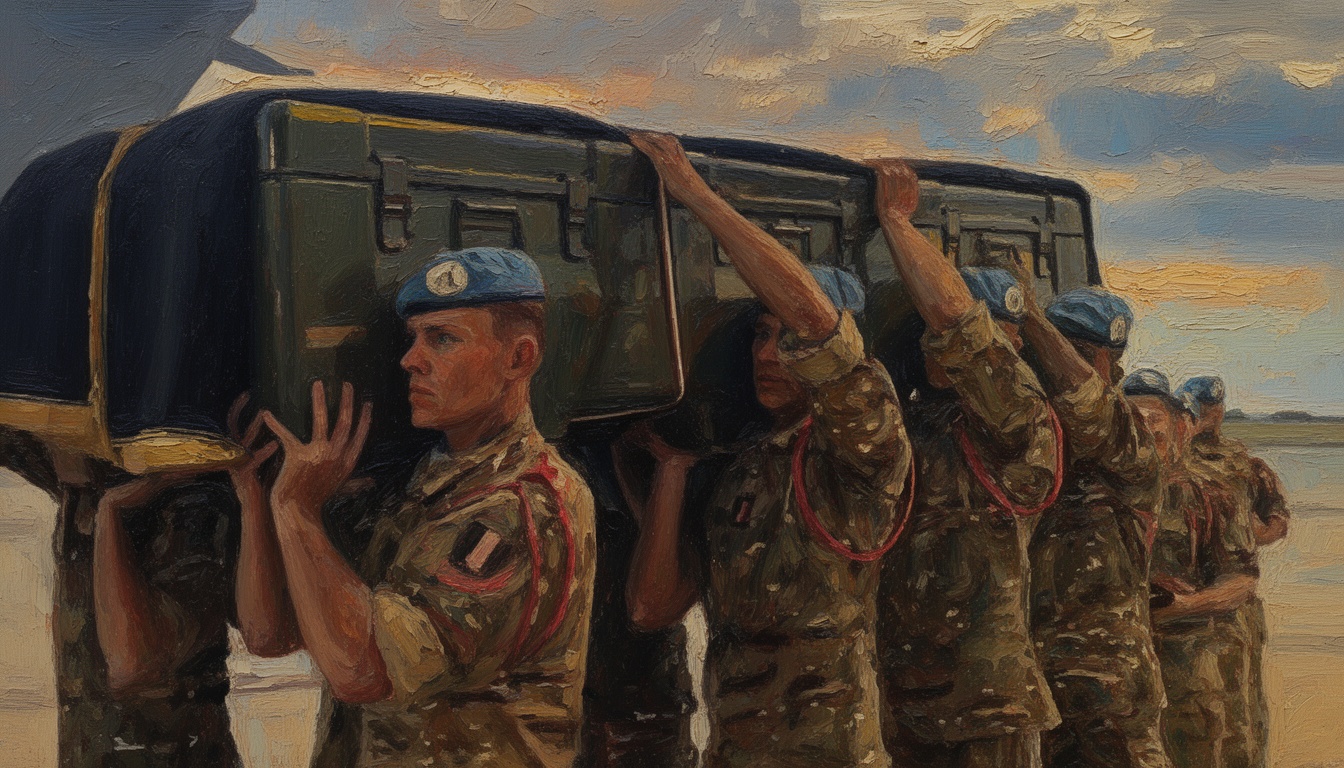
France mourns second soldier after Lebanon UN attack
France confirms a second fatalities from an attack on UN peacekeepers in Lebanon. Macron ties the assault to Iran-backed Hezbollah. The incident highlights regional tensions surrounding UNIFIL operations and Iran-backed militias.
A French soldier has died of wounds suffered in an attack on United Nations peacekeepers in Lebanon, the French president announced on Wednesday. President Emmanuel Macron confirmed that the death followed last week’s assault, and that the attacker was identified as Hezbollah, the Iran-backed militia operating in the country. The confirmation raises the toll from the incident to two French servicemen, underscoring the volatility surrounding UNIFIL operations along the Lebanon-Israel border.
The attack occurred during a period of heightened tension in southern Lebanon, where UNIFIL maintains a long-standing presence to deter hostilities and support civilian protection. Macron characterized the assault as a deliberate act against a multinational peacekeeping mission, signaling that France will pursue accountability while coordinating with international partners. The French president stressed that the operation’s purpose remains to stabilize the area and support Lebanese institutions amid ongoing political fragility.
This development has broad regional implications. Hezbollah’s role in Lebanon’s security dynamics remains a sensitive fault line for Israel, Lebanon, and external patrons. The incident could influence future rules of engagement for UNIFIL contingents and may prompt a review of force protection measures for international troops operating in high-risk zones. Observers will watch for any retaliatory moves or broader escalation within the Lebanon theater.
Technical details remain sparse, but the fatality underscores the lethal risk profile faced by peacekeepers in volatile environments. France’s defense and foreign ministries are coordinating with UN headquarters to confirm the exact sequence of events, assess casualty support for families, and determine the operational implications for a mission already balancing deterrence with humanitarian responsibilities. Analysts foresee a reinforced security posture around UN sites and a possible adjustment to patrol patterns and response protocols in the coming days.
Looking ahead, the incident could influence international discussions on how to safeguard peacekeeping missions amid militant campaigns and regional rivalries. The UN mission could push for clearer red lines and enhanced air and ground protection, while member states weigh sanctions or diplomatic pressure against actors deemed responsible. For Paris, the casualties will shape public debate on defense spending, alliance cohesion, and the urgency of deterrence against Iran-backed proxies in volatile theaters.