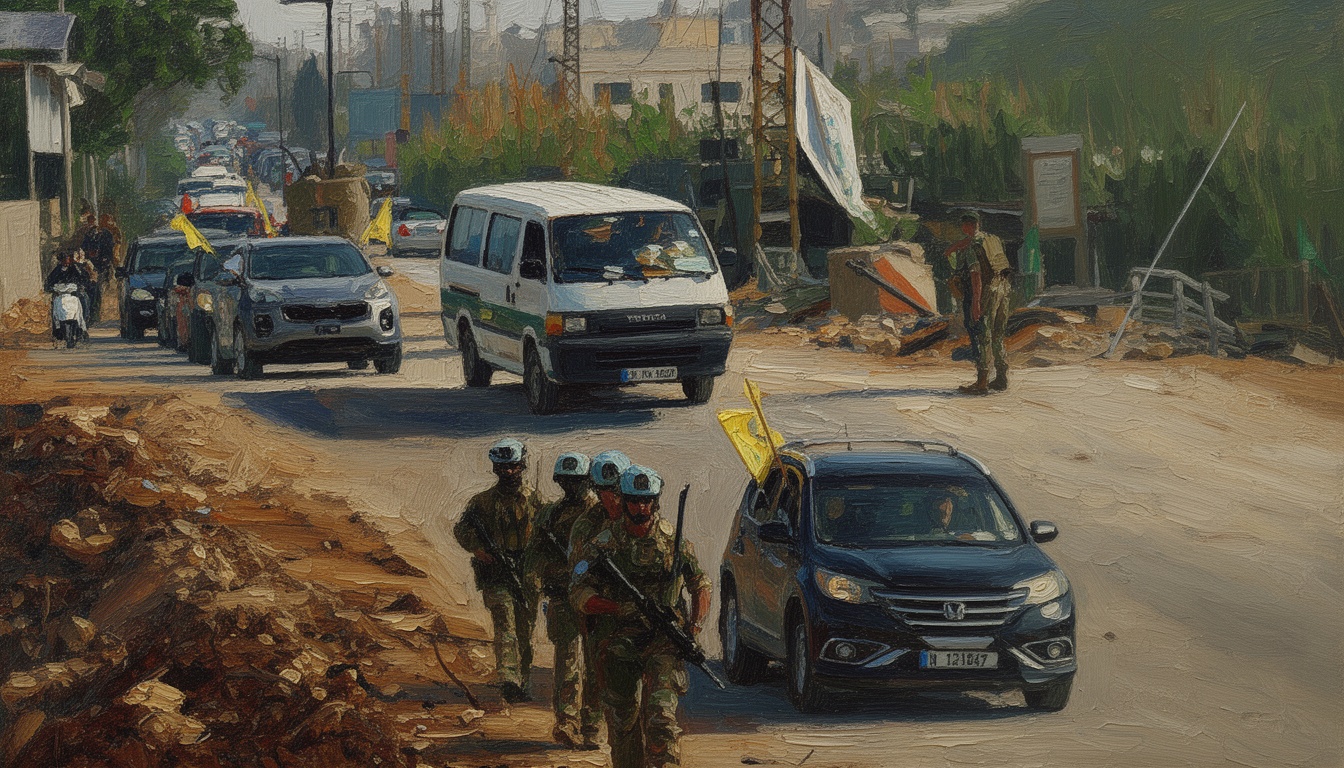
France Loses Second Peacekeeper as Lebanon Ambush Blamed on Hezbollah
A second French soldier was killed by wounds from a weekend ambush on UN peacekeepers in Lebanon. Hezbollah is blamed by the French president, though the group denies involvement. The incident compounds volatile tensions around UN force deployments and regional militancy, signaling a relapse into deeper confrontations for Lebanon and its foreign contingents.
The second French peacekeeper has died from injuries sustained in the weekend ambush against UN forces in Lebanon, according to President Emmanuel Macron. The attack, which targeted a UN peacekeeping contingent, prompted an immediate blame directed at Hezbollah by Paris, even as the group rejects responsibility. The death raises the tally from the assault to include another fatality after the initial loss on Saturday. Macron confirmed the update in a post on X, underscoring the ongoing risk to international personnel embedded in Lebanon's volatile security landscape.
The weekend ambush has returned the spotlight to Lebanon's fragile security equation, where UN peacekeepers operate alongside a Lebanese security apparatus already strained by internal and regional pressures. Hezbollah's involvement remains disputed by the group itself, which denies any role in the operation. International observers warn that the episode could recalibrate external confidence in the UN mission's ability to stabilize a historically fraught border area amid evolving militancy and political fragmentation in Lebanon.
Strategically, the incident intensifies the deterrence calculus surrounding UN deployments and the broader balance of power in the Levant. France has long shouldered a prominent portion of the UN Interim Force in Lebanon (UNIFIL) contingent, subjecting Paris to heightened risk calculus and diplomatic pressure from allied capitals. The episode also tests Hezbollah's tactical flexibility and its perceived willingness to confront multinational forces operating near its strongholds, potentially reshaping regional calculations for Washington, Paris, and their partners.
From a technical standpoint, the ambush illustrates the evolving threat environment: improvised or small-unit assault capabilities targeting lightly armored peacekeeping units, with casualties exposure skewing toward infantry and support elements. Details on weapon systems used have not been publicly confirmed, but the pattern mirrors a surge in ambush-style attacks seen in other border regions. Budgetary and force posture implications will emerge as Paris weighs further risk to personnel against the mission's strategic objectives in Lebanon.
The likely consequences include heightened security measures for UN personnel, increased political pressure on Lebanon's authorities to restrain militant activity, and potential escalatory moves by external supporters of militancy in the region. Analysts expect NATO and EU allies to intensify consultations on force protection, rules of engagement, and rapid-reaction capabilities for peacekeeping contingents. A durable de-escalation path will depend on credible Lebanese governance, Hezbollah's strategic choices, and sustained international diplomatic engagement to prevent a broader outbreak of fighting.