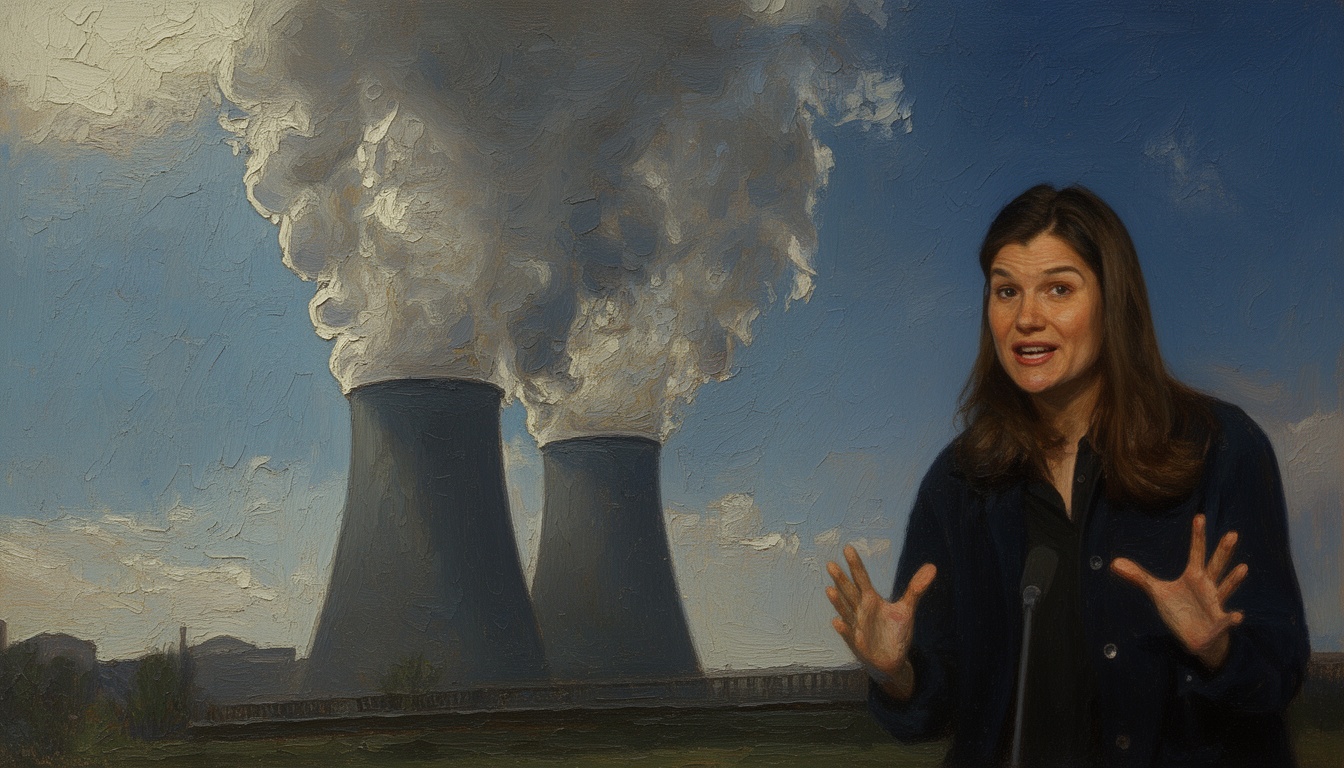
France Doubles Down on Nuclear Energy Amid Global Power Shifts
France solidifies nuclear power as the cornerstone of its national energy, signaling strategic autonomy amid rising global competition. The country's reliance on atomic energy underscores tensions in Europe's energy security and climate commitments.
France has intensified its commitment to nuclear energy, making atomic power central to its national energy strategy. This move reinforces France's position as one of the world's most nuclear-dependent countries, accounting for around 70% of its electricity from nuclear reactors.
Historically, France initiated its nuclear program in the 1970s to reduce dependence on fossil fuels and foreign oil amid global energy crises. This was a calculated geopolitical decision aimed at securing national sovereignty and energy independence.
Strategically, France’s nuclear bet strengthens its influence within Europe’s energy matrix and supports its stance on climate change by reducing carbon emissions. However, this commitment places France at odds with countries pivoting towards renewable energies and raises concerns over nuclear waste management and safety.
Technical deployments include over 56 active nuclear reactors managed by EDF, with ongoing investments in next-generation reactors such as the EPR (European Pressurized Reactor). France is also focusing on nuclear innovation, including small modular reactors (SMRs) to boost flexibility and security.
Looking forward, France's nuclear strategy poses both opportunities and risks: it could solidify French energy dominance but may face challenges from escalating costs, public opposition, and evolving EU energy policies. The global energy landscape may see renewed contestations as nuclear power remains a key pillar for France.