France and Germany Escalate Nuclear Deterrence Plans Amid Strategic Uncertainty
The formation of a Franco-German panel on shared nuclear deterrence underscores the growing urgency in Europe to counter emerging threats, particularly from Russia. This initiative reflects deeper strategic realignments as Europe seeks to enhance its defense posture in the face of an unpredictable security landscape.
France and Germany have jointly established a high-level panel aimed at advancing their shared nuclear deterrence initiatives. This significant action occurs against a backdrop of escalating tension stemming from Russia's aggressive posturing and military activities in Eastern Europe. The panel seeks to strengthen nuclear collaboration between the two nations, emphasizing their commitment to safeguarding regional security and sovereignty.
Historically, Europe's reliance on U.S. nuclear guarantees has been a cornerstone of NATO's strategic framework. However, with the shifting dynamics under the Trump administration and increasing skepticism regarding America's commitment to European defense, both France and Germany are compelled to reassess their nuclear strategies. This initiative marks a pivotal moment where European powers are taking charge of their security and deterrent capabilities.
The establishment of the panel is significant not only for its military implications but also for the geopolitical landscape of Europe. As both countries ramp up their nuclear deterrence capabilities, the strategic balance within NATO is challenged. This move exposes potential vulnerabilities in the alliance, particularly regarding the distribution of nuclear responsibilities and the efficacy of existing nuclear-sharing arrangements among member states.
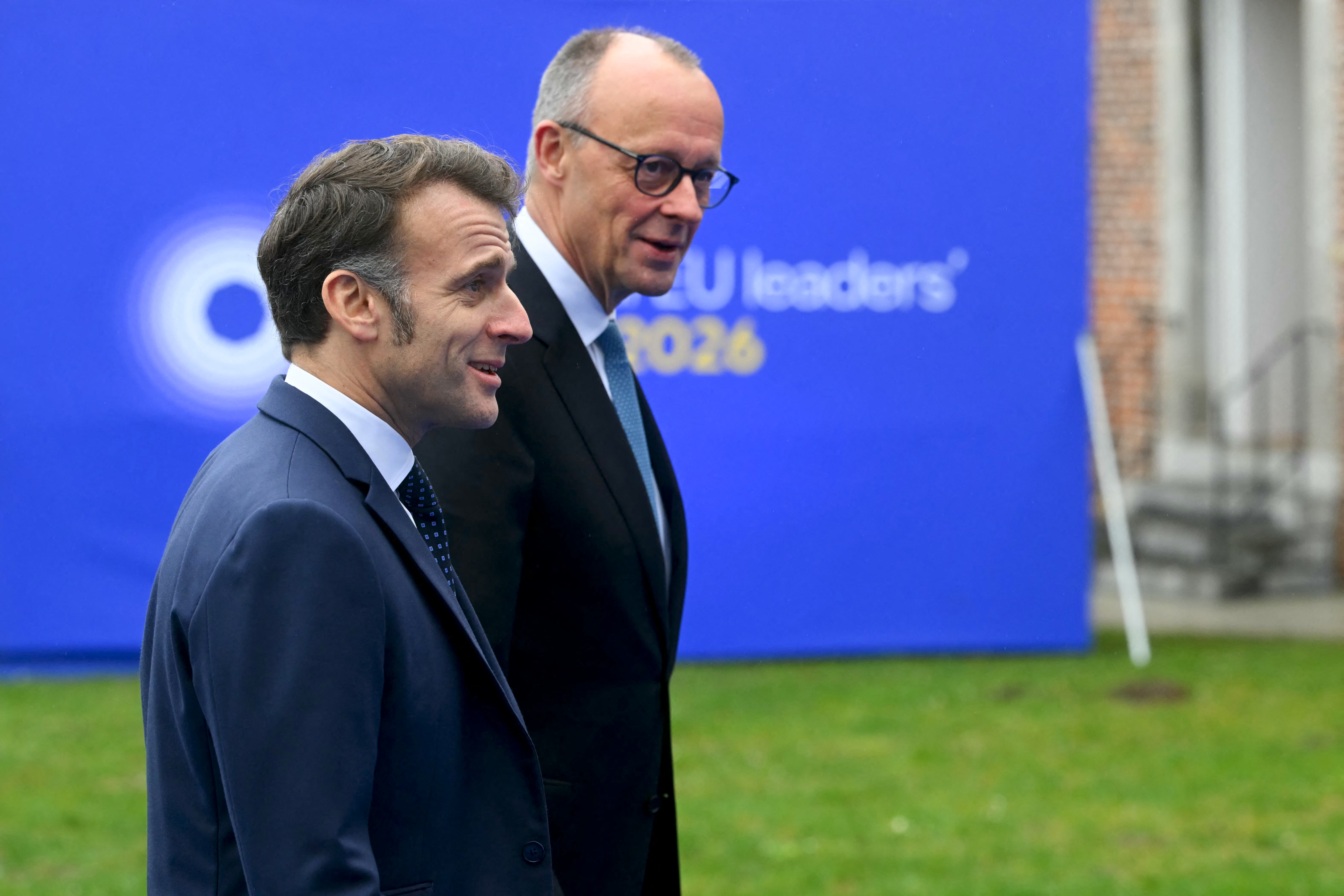
Key actors in this initiative include French President Emmanuel Macron and German Chancellor Olaf Scholz, both advocating for greater European autonomy in defense matters. While they officially frame this as a means to enhance collective security, the underlying motivation is to reduce reliance on the U.S. nuclear umbrella and bolster sovereignty in the face of Russian aggression and uncertainties regarding future U.S. foreign policy.
Operationally, this initiative may involve collaborative research and development of next-generation nuclear capabilities, including advanced delivery systems and missile defense technologies. Germany has previously committed to increasing its defense budget to over 2% of GDP by 2024, which may include allocations for nuclear capabilities. France, with its independent nuclear arsenal, is likely to share its expertise and systems, resulting in a more integrated deterrent strategy.
The likely consequences of this initiative include an upward spiral in nuclear armament within Europe, prompting responses from Russia and potentially from other nuclear powers. We could see heightened tensions in Eastern Europe, especially if this new deterrent framework integrates hardware already in question, such as the deployment of nuclear-capable aircraft or missile systems in proximity to Russia's borders. Escalation vectors also include increased military drills and a possible arms race in response to perceived threats.
Historically, moments of nuclear collaboration in Europe have often been accompanied by heightened tensions with Moscow, recalling the Cold War-era nuclear arms race. Each attempt by European nations to consolidate military resources inevitably draws criticism and escalates confrontations, as seen during past NATO exercises that provoked strong Russian countermeasures.
Moving forward, critical intelligence indicators to monitor include Russian military activities in Eastern Europe and any changes in European defense expenditures. Additionally, analyses of U.S. policy shifts concerning NATO and European defense commitments will be crucial. The effectiveness of the new Franco-German panel will be closely watched as it unfolds, setting the stage for potential breakthroughs or escalations in the nuclear deterrent strategy within Europe and beyond.