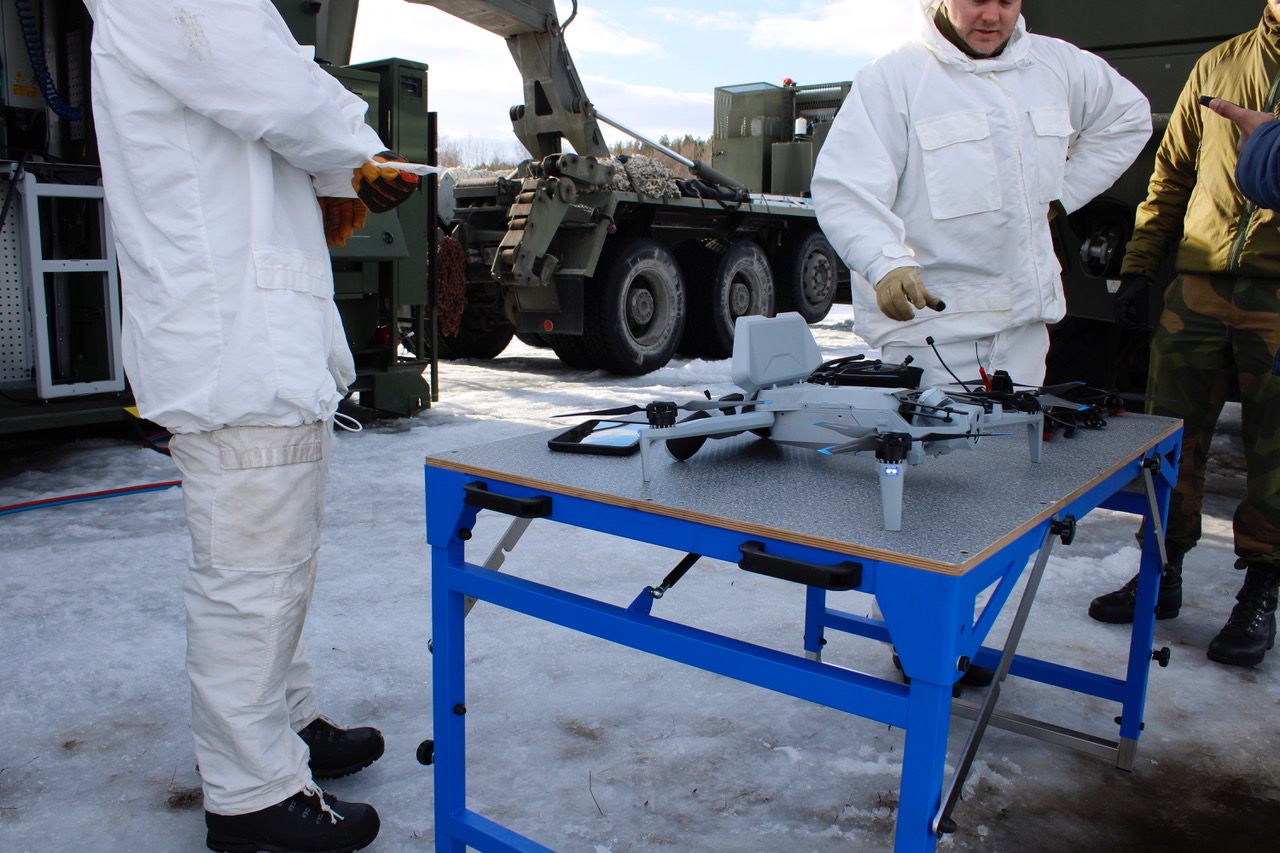
FPV Drones Threaten Arctic Warfare Balance Post-Ukraine Success
The potential deployment of FPV drones in Arctic conflicts poses significant strategic risk, potentially altering defense dynamics among Arctic nations. This development indicates an arms race in unmanned systems as tensions rise in this volatile region.
Following significant military successes in Ukraine, Arctic states are now actively exploring the use of first-person-view (FPV) drones for Arctic warfare scenarios. These drones have proven effective in asymmetric warfare, and their deployment in extreme environments may reshape military engagements in a region already marked by territorial disputes and security concerns. A number of Arctic nations are currently evaluating their aerial capabilities, rapidly adapting tactical doctrines to incorporate these advanced, cost-effective systems.
The Arctic has historically been a theater of strategic maneuvering, with nations like Russia, Canada, and Norway vying for control over vast natural resources and shipping routes. The melting ice cap has opened new maritime corridors, fundamentally changing geopolitical calculations and intensifying assertions of sovereignty. As military capabilities are tested and upgraded, Russia alone has ramped up its Arctic military presence, highlighting a persistent concern for neighboring nations.
The significance of FPV drones extends beyond tactical advantages; they herald a pivotal shift in the balance of military capabilities in the Arctic. With their ability to gather intelligence, conduct surveillance, and engage enemies with precision, these drones could enhance the lethality of smaller forces, exposing vulnerabilities in conventional military strategies. This move could prompt Arctic states to rethink their defense postures urgently, fearing that lower-cost drone warfare could dramatically offset traditional power dynamics.
Key actors in this developing scenario are Russia and NATO member states, particularly Canada and Norway, all of whom have differing motivations regarding Arctic sovereignty and security. Russia aims to reinforce its claim over disputed territories and secure its maritime routes, while NATO countries are focused on maintaining a strategic presence to counterbalance Russia’s aggressive posturing. The use of FPV drones gives them both a tool for deterrence and a means to project power in an increasingly contested space.
Technical discussions regarding FPV drones are uncovering data on system specifications, including flight ranges of up to 15 kilometers and capabilities for aerial reconnaissance at a fraction of the cost of conventional UAVs. These systems can be rapidly deployed and produced by even small units, making them attractive options for nations seeking to bolster their military technology without substantial investments. The low entry costs and ease of use could spur regional arms races, as nations strive to integrate drone technology into their armed forces.
The introduction of FPV drones into Arctic warfare raises the specter of increased military engagement in the region, potentially leading to direct confrontations between Arctic nations. A miscalculation or a technology misfire could result in lethal escalation, particularly given the heightened military activities. As countries evaluate and modify their operational strategies, fresh conflicts could erupt involving resource claims, territory, or military presence.
Historically, advances in military technology have often precipitated changes in warfighting strategies, as seen during the Cold War with advancements in missile technology and the introduction of UAVs in Iraq and Afghanistan. The increased adoption of FPV drones would mark a new chapter reminiscent of past military confrontations but in a uniquely Arctic context, where geography and climate add layers of complexity to military operations.
Moving forward, parties interested in Arctic security should watch for shifts in military posturing, drone acquisitions, and collaborative or competitive strategies in unmanned systems on the battlefield. Intelligence indicators to monitor include changes in defense budgets, procurement announcements by Arctic nations, and joint exercises featuring aerial unmanned systems. Future conflict scenarios could hinge on which state effectively integrates drone technology into Arctic operations.