Forty Years After Chernobyl, Nuclear Debris Remains a Global Reckoning
The UN tallies 3.5 million people affected and about 50,000 square kilometres contaminated. The event remains the worst nuclear accident in history. A rare media access, including France Télévisions, offers new site insights with far-reaching implications for energy safety and governance.
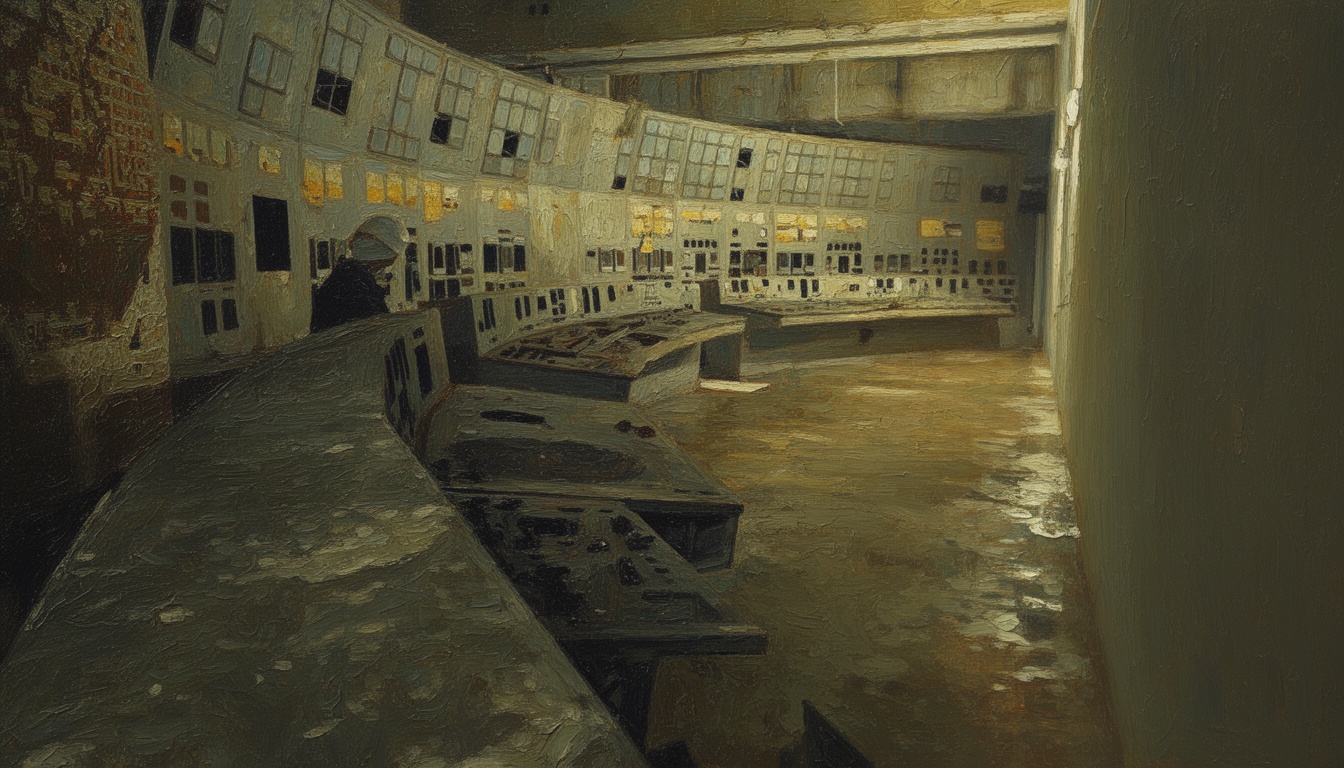
The Chernobyl disaster turns forty this Sunday, and the scale of its legacy remains stark. Official assessments place the human toll at more than 3.5 million people affected by radiation exposure and its social and economic consequences. Contaminated land stretches across nearly 50,000 square kilometres, a footprint that has reshaped regional health monitoring, agriculture, and disaster response planning for decades. The anniversary underscores how a single nuclear accident can redefine risk, policy, and memory across borders. France Télévisions has secured rare access to the site, promising closer inspection and new perspectives on the containment effort and ongoing monitoring challenges.
Contextualizing the event today requires tracing its high-pressure origins. The catastrophe did not occur in isolation; it accelerated a global reckoning with reactor safety, emergency response, and the governance structures that oversee nuclear programs. In the years since, international safety standards, inspection regimes, and public communication protocols have evolved dramatically, even as debates about storage, decommissioning, and institutional accountability continue. The anniversary also highlights how misinformation, evacuation planning, and long-term health surveillance intersect with trust in governments and the nuclear industry. The site visit will likely feed a wave of analytical reporting on lessons learned and remaining gaps.
Strategically, Chernobyl reshaped the global energy security landscape. It intensified scrutiny of civilian nuclear programs and accelerated diversification away from single-point energy dependencies in some regions. It also served as a catalyst for technical innovations in containment, remote monitoring, and emergency response logistics. The disaster’s symbolism persists in deterrence and disarmament calculations, reinforcing the argument that high-consequence, low-probability events require robust resilience investments. Policy conversations about transparency, risk communication, and cross-border environmental monitoring gained lasting legitimacy from the 1986 crisis.
Technically, the event revolves around the RBMK reactor design, the inadequacies in its safety culture, and the cascading failures that followed an initial explosion and fire. The ongoing cleanup project has involved dozens of specialized facilities, remote handling systems, and long-term waste management strategies. Budgets for containment, decontamination, and monitoring have evolved over time, reflecting the shifting priorities of local authorities and international partners. Contemporary assessments emphasize radiation containment performance, ecological recovery metrics, and the ongoing need for citizen health surveillance in surrounding communities.
Looking forward, the forty-year milestone sharpens attention on resilience, energy balance, and the limits of risk mitigation. Analysts expect continued emphasis on reactor safety modernization, waste accountability, and compliant governance across all nuclear programs. The long shadow of Chernobyl will likely influence public opinion, investment in safer technologies, and international collaboration on nuclear disarmament and safety standards. As new generations study the disaster, the core lessons remain: robust safety cultures, transparent operations, and sustained investment in monitoring are not optional but essential for preventing a repeat of history.