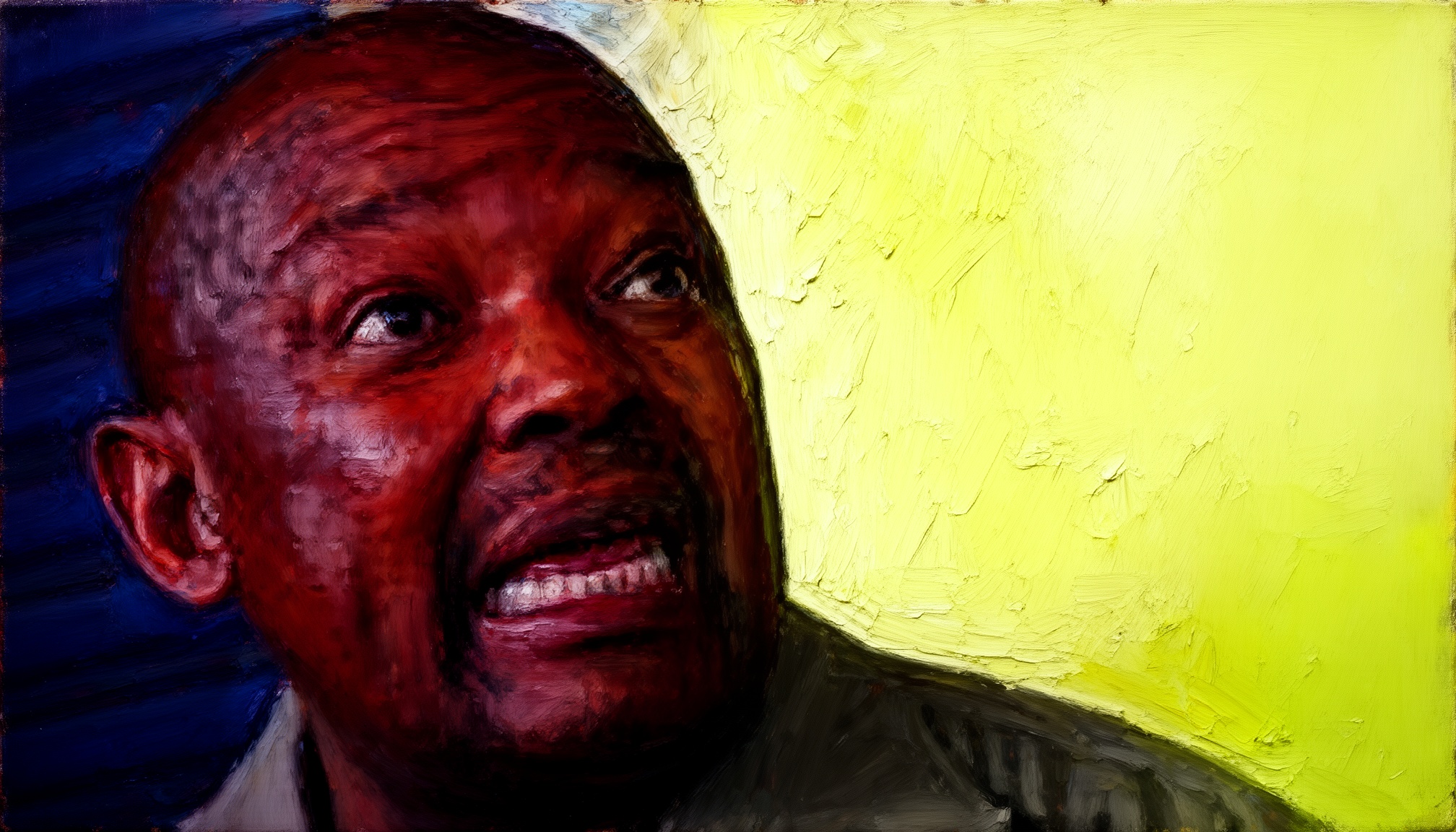
Former South African Defense Minister Mosiuoa Lekota Dies, Reshaping Political Landscape
The death of Mosiuoa Lekota marks a significant shift in South Africa's post-apartheid political landscape, potentially increasing instability within the ruling party. His legacy as a former defense minister and anti-apartheid leader paves the way for younger factions to vie for power, influencing future military and defense policies.
Mosiuoa Lekota, former South African Minister of Defense and prominent anti-apartheid activist, has died. His passing not only marks the end of an era in South African politics but also raises potential questions about the future direction of the ruling African National Congress (ANC) party. Lekota was 80 years old at the time of his death, a veteran in a political landscape that has significantly altered since the fall of apartheid.
Lekota's struggle against apartheid began in the 1960s when he was imprisoned alongside Nelson Mandela in the notorious Robben Island. His long-standing commitment to democratic ideals and national defense led to his appointment as Minister of Defense in 1999, a position he held until 2009. Lekota later founded the Congress of the People (COPE) party, further fragmenting the ANC's political base and signaling rising dissent within the party.
This development carries considerable significance. As a former leader within the ANC and a key player during the transition to democracy, Lekota's death can exacerbate existing fissures in the party. His absence leaves a political vacuum, potentially emboldening younger leaders to push for policy changes and shifting allegiances that could destabilize the current administration.
Key actors within the ANC, including President Cyril Ramaphosa, may view his death as an opportunity to consolidate power. However, the factional divisions that emerged during Lekota's tenure and beyond could lead to increased internal conflict. The struggle for control over military and defense priorities will be crucial as South Africa navigates its domestic and international obligations.
In terms of operational implications, Lekota championed significant budget allocations toward defense modernization during his time in office. South Africa's Department of Defence is currently facing a budget of approximately $4.5 billion. Ongoing debates surrounding military readiness and capacity are likely to intensify as political factions vie for influence over defense spending and military reforms.
Consequences of Lekota's death may manifest as a new wave of factionalism within the ANC, with various groups jockeying for position. Increased tensions could result in stalled legislation regarding defense policies and a potential reevaluation of South Africa's role in peacekeeping missions across the African continent, affecting both domestic security and international alliances.
Historically, similar crises in leadership within the ANC have led to power struggles and realignments, notably following the death of key figures such as Walter Sisulu. The dynamics surrounding Lekota’s death may further echo these precedents, allowing emerging leaders to push forward agendas in stark contrast to Lekota's moderate approach.
Going forward, intelligence analysts should monitor reactions within the ANC and civil society, assessing how factions might exploit this power vacuum. Watch for leadership contests within the party, potential changes in defense policy discussions, and implications for South Africa's stance in regional security affairs as new players emerge onto the scene.