Former CENTCOM Commander’s Candid Take On The Situation In The Strait Of Hormuz
Retired General Joseph Votel underscores Iran's grip on the Strait of Hormuz as a looming international security crisis, emphasizing the strategic necessity for coordinated multinational response to secure this critical maritime chokepoint.
Retired Army General Joseph Votel, former head of US Central Command, delivered a stark assessment of the escalating tensions in the Strait of Hormuz, warning that Iran's increasing dominance over this vital waterway presents a grave threat to global security. His candid analysis highlights Tehran’s capability and intent to disrupt free maritime passage, escalating risk for global energy markets and international trade.
The Strait of Hormuz, a narrow but critical chokepoint connecting the Persian Gulf with the Gulf of Oman and the Arabian Sea, facilitates nearly 20% of the world’s petroleum and liquefied natural gas shipments. Iran’s strategic posture and asymmetric naval forces have consistently challenged freedom of navigation, raising the prospect of conflict involving major regional and global powers.
Strategically, control over the Strait offers Iran significant leverage in geopolitical power plays across the Middle East. Votel notes that any disruption could send oil prices soaring and destabilize regional security, compelling an urgent, coordinated military and diplomatic strategy among Gulf states, the US, and allied powers to preserve open sea lanes.
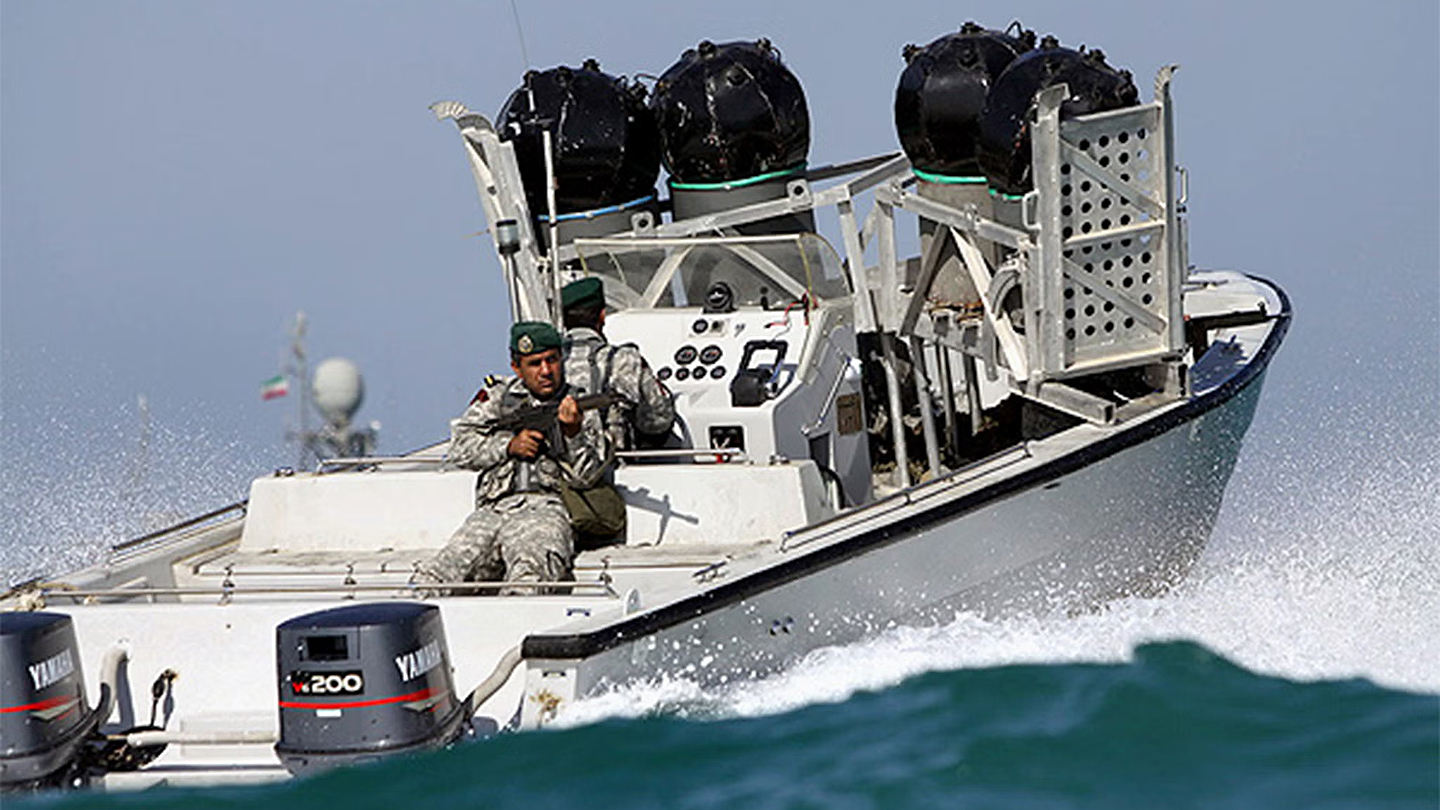
Votel’s operational insights include Iran’s deployment of fast attack craft, anti-ship missiles, and mine warfare along the Strait’s narrow passages, combined with an evolving doctrine of hybrid maritime warfare to counter superior naval forces. The general warns that insufficient multinational engagement risks ceding control to Tehran, increasing risks of miscalculation or escalation.
Looking ahead, Votel advocates a comprehensive approach combining increased naval presence, enhanced intelligence sharing, and diplomatic pressure to contain Iran’s ambitions and secure uninterrupted commercial maritime traffic. Failure to act decisively may trigger a wider regional conflict with global economic fallout.