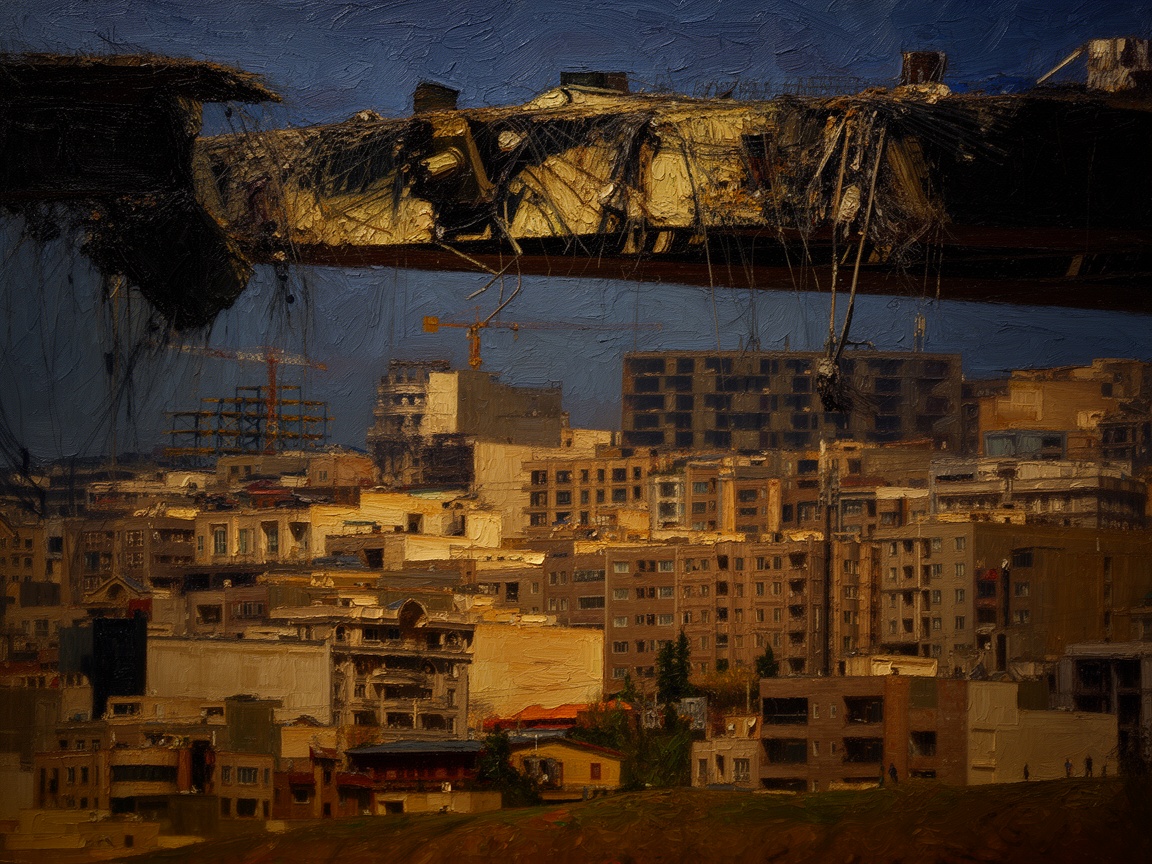
Five Iranian Civilian Bridges Risk US Strikes: Maps, Photos
Five major Iranian civilian bridges face potential US strikes following Trump's ultimatum known as 'Bridge Day.' These multimillion-dollar infrastructures are critical for regional transportation and hold strategic value. Targeting them could significantly disrupt Iran’s internal mobility and deepen tensions.
Five prominent civilian bridges in Iran have been identified as possible targets in the United States' recent ‘Bridge Day’ threat issued under former President Donald Trump’s administration rhetoric. These bridges, essential to Iran’s national infrastructure, span major rivers and highways and serve as critical transit points for both civilian and economic activities.
The ‘Bridge Day’ ultimatum refers to an explicit warning that US forces could damage or destroy key infrastructural links in Iran to hinder military logistics or respond to hostile actions. This marks a notable escalation in threats against Iranian civilian infrastructure, which could blur lines between military and civilian targets.
Strategically, bridges of this scale are vital for Iran's internal cohesion and supply chains. Destroying or disabling them would impede movement of military units, disrupt civilian transportation, and impact economic zones reliant on these transit arteries. Such strikes would convey a strong message but risk wider conflict escalation.
Technically, these bridges involve complex engineering, with some incorporating advanced design to resist seismic activity and heavy traffic loads. Their replacement or repair costs run into the millions of dollars, and their destruction would represent not only a structural loss but also a symbolic blow to Iranian national pride and resilience.
Looking ahead, confirming the targeting of civilian infrastructure marks a dangerous shift toward broader adversarial measures in US-Iran relations. It indicates a willingness to employ hard-hitting tactics beyond conventional military assets, potentially provoking retaliatory actions and regional destabilization.