First Iranian-Linked Ship Seized Outside the Middle East Since Epic Fury Began
The interdiction of the oil tanker M/T Tifani in the Indian Ocean marks a notable shift in economic pressure against Iran. Analysts see this as a new tactic following weeks of maritime standoffs. The seizure signals expanded reach for sanctions enforcement and potential retaliation risks across sea lanes vital to global energy flows.
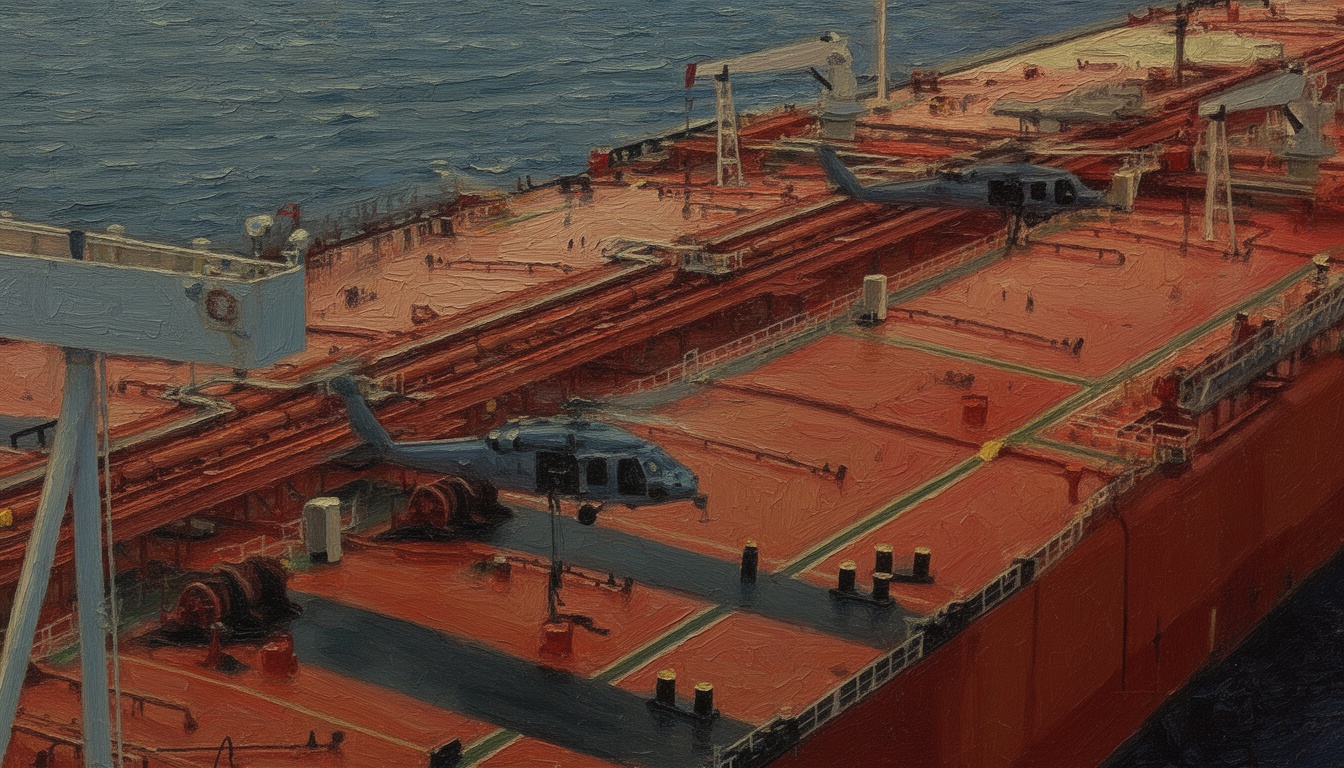
The United States has interdicted an oil tanker linked to Iran outside the Middle East for the first time since the start of the Epic Fury sequence. The vessel, identified as M/T Tifani, was stopped in the Indian Ocean after signals of Iranian ownership were detected. This operation represents a deliberate escalation in economic pressure aimed at restricting Tehran’s access to global energy markets and revenue streams. The immediate objective appears to be constraining sanctioned maritime trade and convincing other shippers to avoid Iranian-flagged or Iranian-linked cargoes.
Context surrounding the move includes a broader calibration of sanctions enforcement at sea, with policymakers signaling a preference for targeted, low-profile actions that avoid large-scale conflict. The Indian Ocean corridor has become a focal point due to its vulnerability to sanctions evasion and its role in sustaining Iranian energy exports. While the legal justifications for the seizure rest in compliance with maritime sanctions, the tactical choice of a tanker in international waters raises questions about risk to civilian crews and potential escalation with Iran’s maritime proxies.
Strategically, the development expands the theater of economic warfare and tests the resilience of Iran’s revenue channels. It also heightens tension along critical sea lines used by global energy traders, potentially pushing shipping costs higher and widening insurance premiums. The incident may prompt Tehran to recalibrate its own deterrence posture, including warnings to commercial vessels and demonstrations of longer-range signaling through allied navies or militia groups.
Technical specifics indicate a tanker’s movement pattern and flag-merchant documentation were used to justify the interdiction. The M/T Tifani’s voyage data, ownership links, and cargo manifest would be central to any legal review and future sanctions design. Coalition partners are likely assessing the broader implications for ship routing, port calls, and the risk calculus for oil transportation in the Indo-Pacific region.
Forward assessment suggests this action could catalyze a phase of intensified maritime enforcement, with more Iranian-linked vessels potentially targeted if sanctions targets expand. If Tehran responds with escalatory rhetoric or limited coercive moves, a calibrated, multiplatform response—combining diplomacy, finance, and selective force projection—will be required to maintain strategic pressure while avoiding a broader maritime crisis.