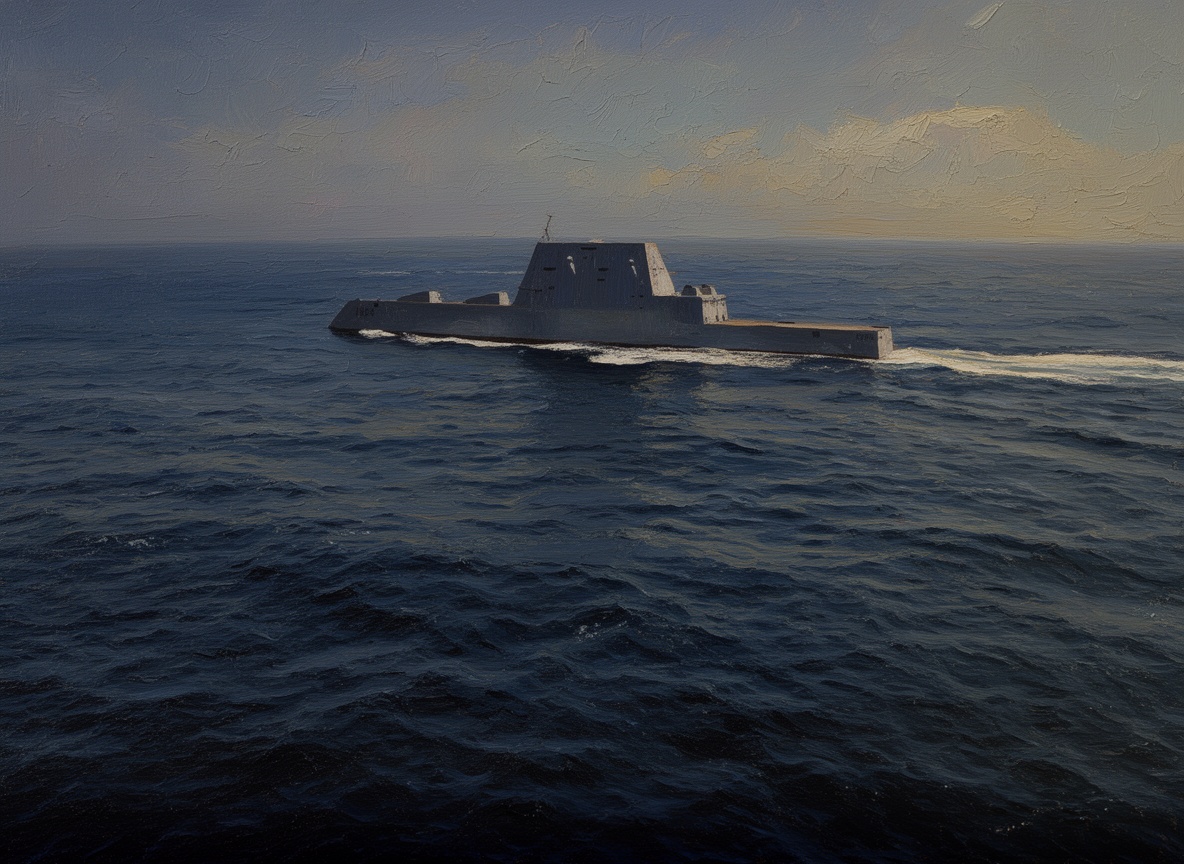
Fire Injures 3 Sailors on USS Zumwalt at Pier
A blaze aboard the guided-missile destroyer Zumwalt during pierside maintenance at a Mississippi shipyard injures three sailors. The incident prompts an immediate safety and damage assessment, with command seeking to understand the cause and the extent of the damage to critical systems. The event underscores risk exposure during sustainment cycles for high-endurance surface combatants.
A fire broke out aboard the Zumwalt-class guided-missile destroyer while the ship was stationed pierside at a Mississippi shipyard. Three sailors were injured in the incident, capturing attention across the fleet for immediate medical and welfare considerations. Initial responders contained the blaze, and the ship began a damage-survey while support craft, fire units, and command elements coordinated on-scene actions. The vessel remains docked, and the crew is proceeding with medical evacuations and post-fire safety assessments.
Context points to a structured maintenance period for a high-end warship undergoing upgrades and routine trials while in port. The Zumwalt has faced long lead times for integrated power systems and munitions integration, with readiness generally linked to sustainment cycles rather than external threats. A pierside incident of this nature sharpens focus on shipboard fire safety, electrical infrastructure, and compartmentalization of critical systems during modernizations. Investigators will review work logs, witness statements, and sensor data to reconstruct ignition sources and propagation pathways.
Strategically, the event tests portside command and control of a complex platform that is central to marshalling high-value surface-combat power in the Pacific and Atlantic theaters. While not an active combat situation, the fire could affect the ship’s immediate availability for deployment and its role in broader force posture during periods of rising regional tensions. Any operational delay may shift short-term risk calculations for carrier strike groups or surface action groups relying on such destroyers for screening and diplomacy-through-power.
Technical and operational details point to the Zumwalt’s specialization: stealth hull, integrated electric propulsion, and a robust command-and-control suite designed for multi-domain fire control. The ship’s weaponization package typically includes Tomahawk missiles and dual-band radar, though specific fit can vary by upgrade cycle and mission assignment. In-port maintenance involves high-risk activities, including live-system work on power distribution, fire suppression networks, and on-deck munitions handling in adjacent bays. The incident will likely feed into broader port- and shipyard safety improvements and training cycles across the fleet.
Forward assessment suggests a measured but decisive investigation outcome, with a near-term caution on sustainment schedules for advanced destroyers. If a preventable fault is identified—whether electrical, mechanical, or procedural—it could trigger heightened safety protocols across similar platforms in port and during early-stage maintenance. In the longer view, the event might influence budgeting for shore-side readiness, reinforcing risk-based prioritization of critical systems, crew welfare, and incident response capabilities during complex modernization programs.