Filipino Farmer Calls to Stop US-Iran War as Fuel Costs Devastate Income
Skyrocketing fuel prices linked to US-Iran tensions threaten rural livelihoods in the Philippines. This reflects wider regional instability impacting global agricultural economies and energy markets.
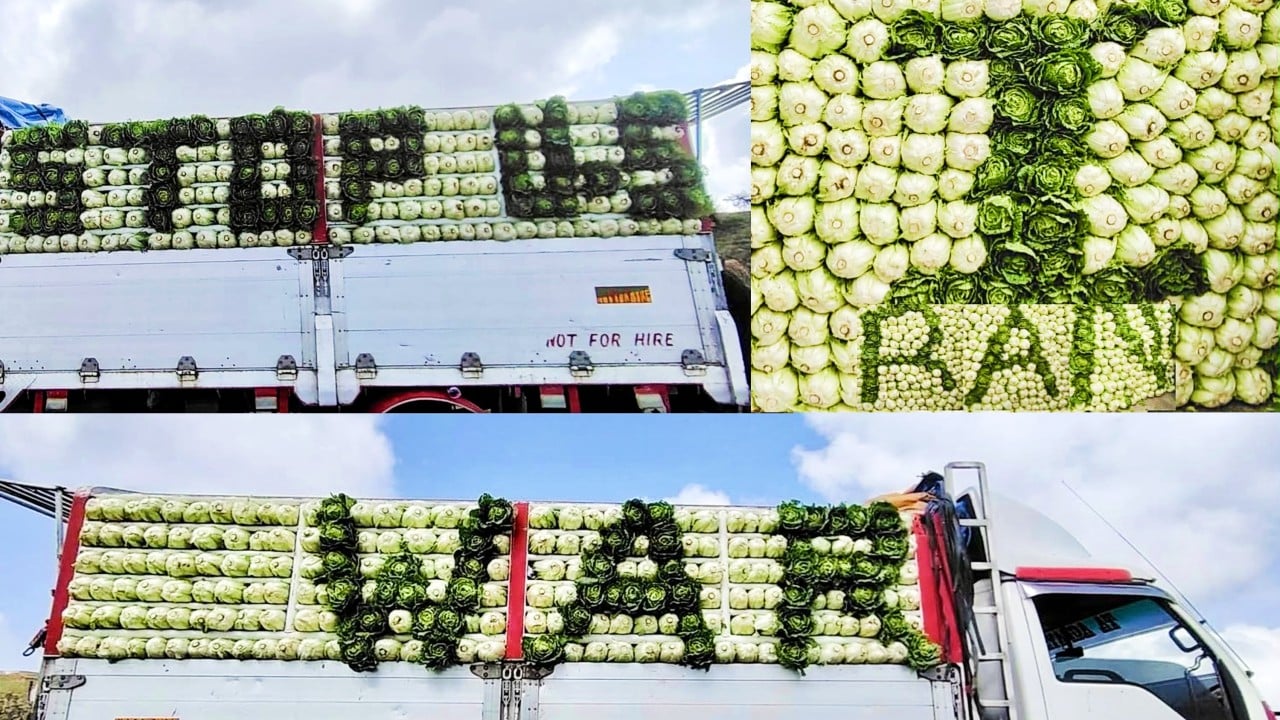
Filipino farmer Elmer Ullani drives seven hours to sell 10 tonnes of cabbage in northern Philippines but returns home with an empty fuel tank and nearly no profit. Despite harvesting three cycles, Ullani earned only 90,000 pesos (US$1,482), all consumed by soaring fuel costs.
Hailing from Tinoc in Ifugao province, Ullani’s meager income underscores how spiraling energy prices hurt farmers, prolonging rural poverty amid geopolitical tensions between the US and Iran. The war fears are pushing global fuel prices higher, directly squeezing agricultural communities.
This episode reveals a dangerous intersection of military conflict and economic hardship, where sanctions and war risk elevate costs for essential inputs like fuel. Countries reliant on imported fuel and agricultural exports face long-term vulnerability if hostilities escalate.
Ullani’s plight exemplifies the operational challenges for farmers: the cost to transport produce over long distances to market increasingly exceeds earnings. Fuel price surges erode already thin profit margins even for staple crops like cabbage, jeopardizing food security.
If tensions between Washington and Tehran worsen, rural economies in developing countries like the Philippines will suffer further. The need to de-escalate the US-Iran conflict is urgent to stabilize fuel markets and safeguard vulnerable agricultural livelihoods worldwide.