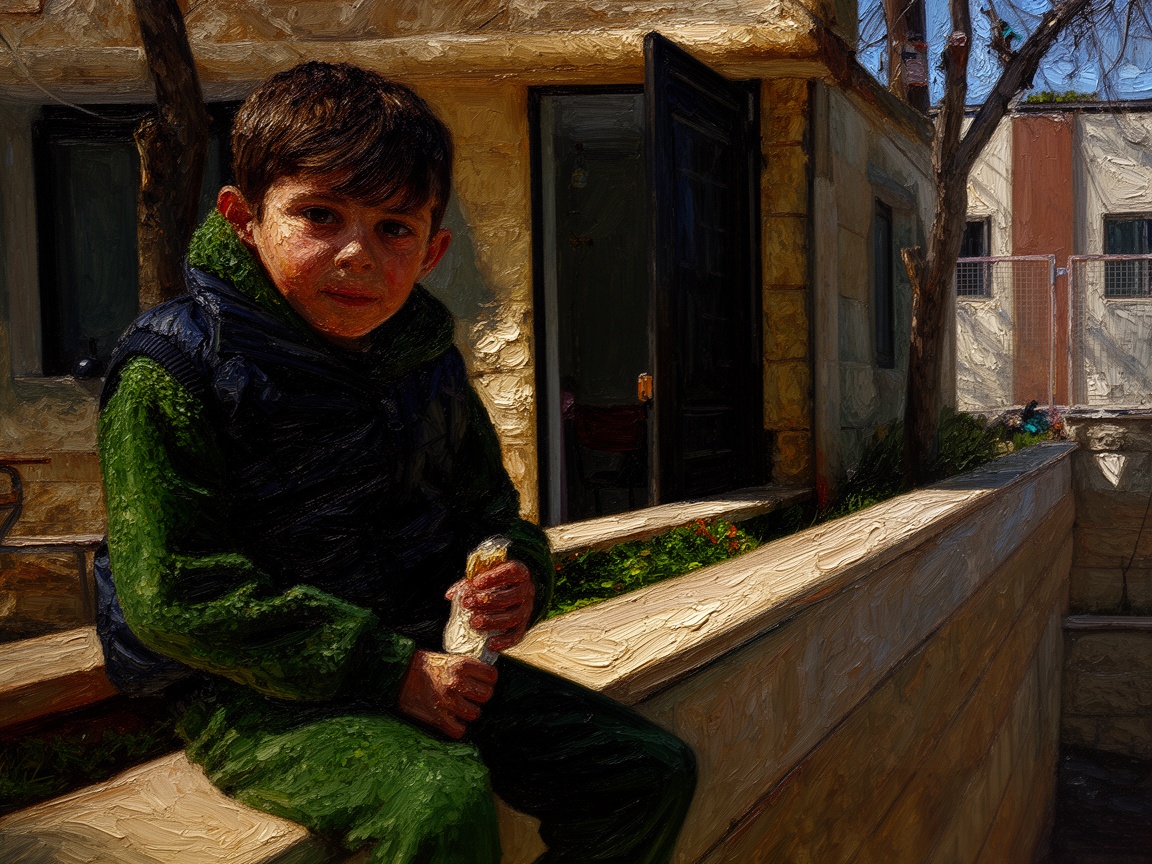
Families fleeing Israeli attacks take refuge in Lebanon’s mountains
Israel's intensified air and ground attacks in Lebanon have forced over one million residents to flee, igniting a major regional instability. This escalation risks broadening the conflict and destabilizing neighboring countries. The extensive displacement highlights a severe humanitarian and security crisis on the Lebanese front.
Israel has ramped up military operations in Lebanon, employing heavy air raids and ground incursions that have displaced more than one million people across the country. Families are fleeing violence, seeking safety in Lebanon’s mountainous regions to avoid the advancing Israeli forces.
This escalation follows a period of increasing hostilities between Israeli forces and militant groups in southern Lebanon, notably Hezbollah. The conflict threatens to spiral into a broader regional confrontation, straining already fragile political and security dynamics.
The strategic implications are profound: Israel aims to degrade militant infrastructure, but the large-scale displacement disrupts Lebanon's internal stability and risks drawing in regional and international actors. The humanitarian crisis compounds political tensions, complicating ceasefire or diplomatic solutions.
The Israeli military is deploying advanced airpower including precision-guided munitions and armored ground units for incursions, emphasizing rapid, high-intensity operations within difficult mountainous terrain. Lebanese civilian populations are caught in the crossfire, with camps and shelters overwhelmed by the influx of internally displaced persons.
Looking ahead, the conflict’s escalation threatens to draw Hezbollah and potentially other regional actors deeper into open warfare with Israel, risking a wider Middle East conflagration. International diplomatic pressures are mounting to halt attacks, but on-ground dynamics suggest continued high risks of protracted violence and destabilization.