F-15E Clash With Iran: Three Shootdowns, Denied Fourth Loss Fuel Crisis
F-15E Strike Eagles faced intense confrontations during U.S.-Israel operations against Iran. CENTCOM refuted claims of a fourth shootdown, highlighting increasing tensions and operational risks.
Three F-15E Strike Eagles were reportedly shot down while engaging Iranian targets, resulting in the confirmation of two Iranian aircraft kills. The situation escalated when unverified claims of a fourth F-15E loss spread across social media, inciting panic and confusion. Although U.S. Central Command (CENTCOM) denied these reports, the incidents underline the precarious nature of current U.S.-Israel military operations against Iranian forces in the region.
This spike in hostilities reflects a history fraught with tension between Iran and U.S.-Israel, rooted in decades of geopolitical conflict, sanctions, and proxy wars. The direct confrontation poses significant risks as these operations could destabilize other regional alliances and escalate further military engagement. Iran's influence in Iraq and Syria, bolstered by its support for proxy groups, has long threatened U.S. and Israeli interests, leading to a dangerous intersection of military actions.
The significance of this escalation cannot be overstated as it marks a critical junction in U.S.-Iranian relations. The shootdowns signal not only operational vulnerabilities in the F-15E fleet but also a potential shift in air superiority dynamics in the region. A sustained conflict could further entrench divisions, leading to greater militarization and the risk of wider regional conflagration involving other powers and aligned factions.
Key actors in this crisis include the U.S., Israel, and Iran, each pursuing distinct strategic motivations. The U.S. is intent on neutralizing Iranian military capabilities to safeguard its allies, while Israel seeks to obliterate threats from Iranian proxy forces. Iran, feeling cornered and facing economic sanctions, aims to assert itself regionally, making it more volatile and willing to confront adversaries.
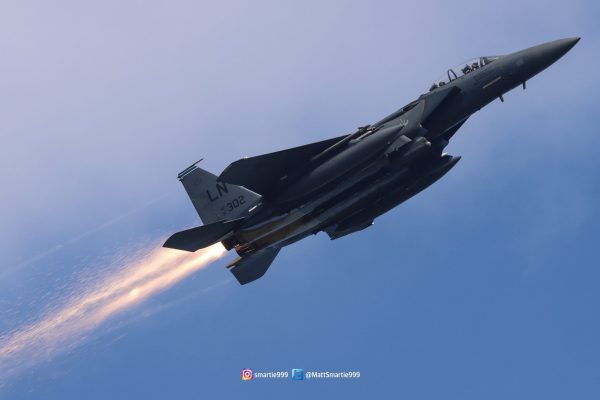
The F-15E Strike Eagles, equipped with advanced avionics and precision munitions, are critical to U.S. air dominance. Each aircraft boasts capabilities such as the AN/APG-63 radar and can carry a payload of over 24,000 pounds of ordnance. The losses, if confirmed, will generate urgent discussions within U.S. defense circles regarding the resilience and survivability of current assets amidst escalating threats.
The likely consequences of these confrontations could include a hardening of U.S. and Israeli strategies, increased air defenses in Iran, and a heightened risk of inadvertent escalation. As CENTCOM doubles down on its narrative, Iran may respond aggressively, potentially involving missile strikes or proxy attacks against U.S. interests in the region, triggering a broader military conflict.
This situation echoes previous military escalations in the region, particularly the 1980s Iran-Iraq War, where missteps and miscalculations led to widespread devastation and significant loss of life. The emergence of proxy warfare during that period serves as a reminder of how quickly local conflicts can spiral, with global implications.
Moving forward, the key indicators to watch include further military deployments by the U.S. in the region, Iranian retaliatory actions, and any change in the operational posture of U.S. forces. Intelligence assessments will be critical in predicting next steps, especially considering the fragility of coalitions and the potential for separate but linked conflicts emerging across the Middle East.