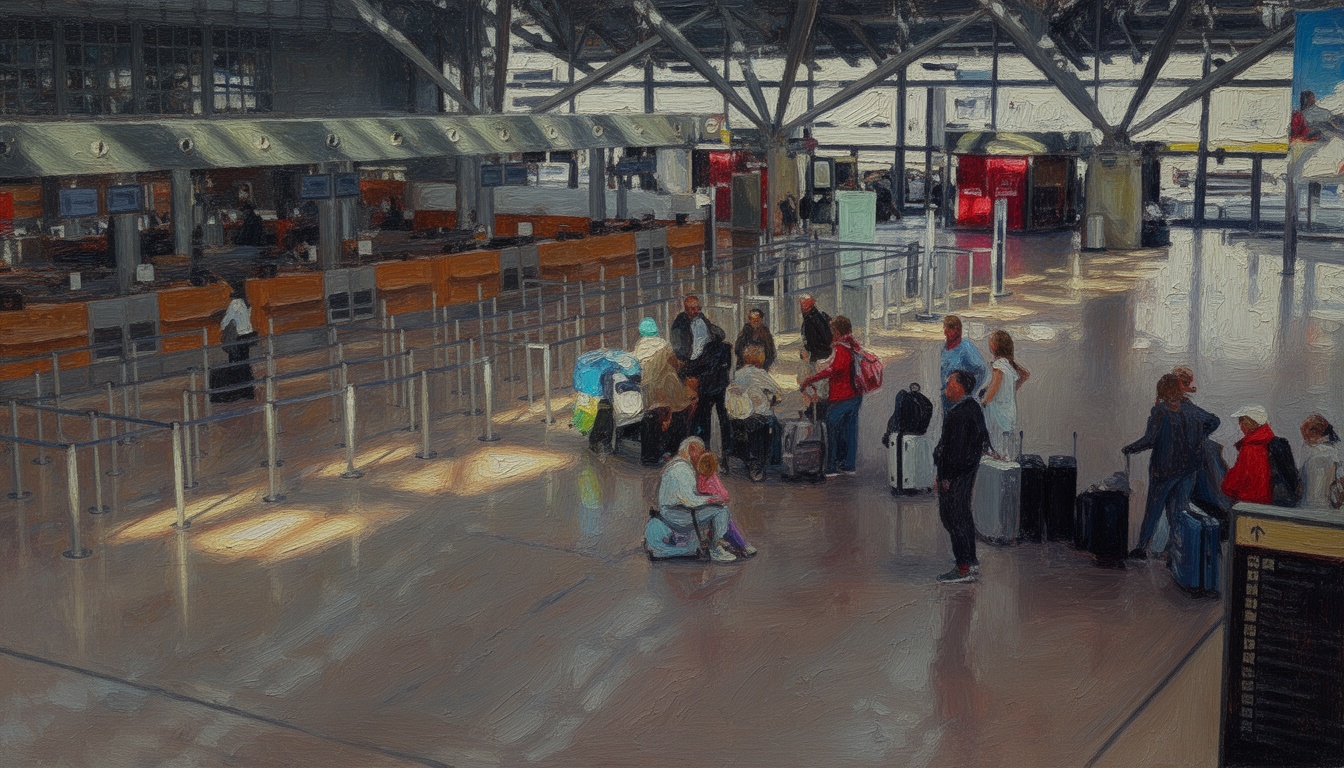
Europe Faces Mass Flight Cancellations as Middle East Fuel Shock Bites
The energy shock from the Middle East conflict is rippling through Europe’s aviation sector. Airlines slash schedules, ground fleets, and raise ticket prices as fuel costs surge. Analysts warn the disruption could dampen summer travel across the continent and strain European airspace and passengers alike.
The European aviation sector is absorbing a sharp fuel shock triggered by the Middle East conflict, forcing thousands of flight cancellations and a broad uptick in fares. Airlines across Germany, France, and beyond are reducing frequency, diverting capacity, and pausing routes as jet fuel costs spike. The near-term effect is a patchwork of disrupted schedules and stressed passenger systems, with no immediate sign of a rapid recovery. Carriers caution that the volatility could extend into the peak summer season if tensions persist or fuel margins widen further.
Background: The fuel spike reflects global energy market nerves tied to Middle East production and distribution. Even with diversified suppliers, European carriers remain exposed to price fluctuations, containerized disruptions, and the risk of supply interruptions. Governments and industry groups have begun contingency planning, including hedging strategies and operational adjustments to minimize demand collapse. The crisis also intersects with carbon policies and European aviation ambitions, complicating a sector already under fiscal strain.
Strategic significance: The fuel shock tests Europe’s resilience to energy insecurity and could shift the balance of air travel competitiveness within the region. Reduced capacity might push travelers toward competing modes and could incentivize modal shift in the longer term. For European policymakers, the episode highlights the vulnerability of critical transport infrastructure to external shocks and the need for diversified energy logistics, strategic reserves, and protective measures for essential connectivity.
Technical/operational details: Reports indicate widespread grounding of fleets in Germany and a noticeable tilt in pricing across major hubs like Paris and Frankfurt. Airlines are employing capacity containment tools, including slot discipline, queue management, and selective route cancellation. Fuel hedges, supplier renegotiations, and cost-control programs are being accelerated to weather the volatility, but the financial impact remains material for airlines reporting tight margins. The situation underscores the sensitivity of modern aviation to energy-market dynamics and political risk.
Forward assessment: If the Middle East conflict persists or expands, European aviation could endure protracted disruption into the shoulder season and potentially beyond. Passenger sentiment may dampen demand, pressuring load factors and ancillary revenues. Enhanced energy resilience, diversified sourcing, and targeted state aid or stabilization measures could determine whether the industry stabilizes quickly or lingers in a high-risk volatility regime.