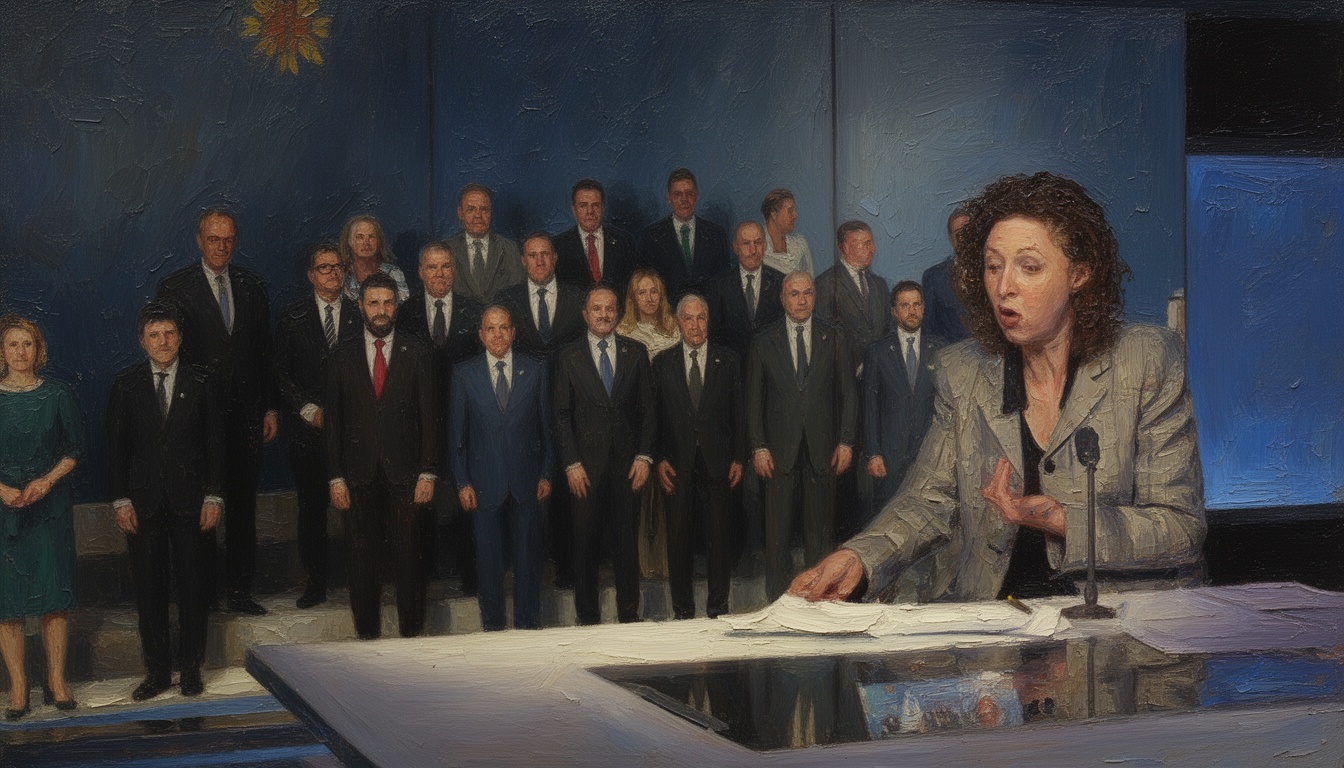
EU Leaders press Iran crisis in Cyprus
EU leaders in Cyprus vow to escalate efforts to resolve Middle East tensions as Washington criticizes Europe for insufficient Iran countermeasures. Macron calls for rapid stabilization to safeguard global economies. The dialogue precedes talks with Egypt, Lebanon, and Syria and follows EU foreign policy chief Kallas's remarks.
The European Council gathering in Cyprus has sharpened its stance on the Iran crisis, pledging intensified diplomatic and political pressure aimed at reducing regional tensions. Leaders emphasized the need for a cohesive EU approach to de-escalate provocations and to bolster regional stability, while maintaining unity with partners in the Middle East. The meeting occurred as Washington pressed Europe to increase support for countering Iran, arguing that Europe has not matched its rhetoric with concrete actions. Officials signaled readiness to coordinate with regional players and to align sanctions, diplomacy, and humanitarian considerations where possible.
Background: The Iran crisis has grown from a series of regional flashpoints into a broader strategic contest involving the United States and allied states. EU capitals have sought to balance deterrence with engagement, aiming to preserve channels for dialogue even as escalation risks persist. Cyprus, a strategic perch in the Eastern Mediterranean, provided a backdrop for discussions with a tilt toward joint messaging and unified responses. France, Germany, and the Benelux states have pressed for a rapid return to stability to cushion global markets. EU foreign policy chief Kaja Kallas has framed the conversation within a broader effort to stitch together European and regional security interests.
Strategic significance: The Cyprus meeting signals a sustained European attempt to shape regional outcomes without dragging the bloc into direct confrontation. If Brussels can synchronize sanctions, diplomatic outreach, and security assurances with regional partners, it could constrain Iran's escalation while preserving space for negotiation. The dynamic tests Europe’s dissuasion capabilities and its ability to project cohesion across 27 member states with diverse threat perceptions. The outcome will influence transatlantic dynamics and the reliability of European partners in crisis management.
Technical/operational details: The discussions reportedly cover coordination with Egypt, Lebanon, and Syria, and the alignment of EU positions on sanctions design, energy resilience, and information warfare resilience. While no new weapons deployments were announced, the emphasis rests on policy levers: export controls, financial sanctions, and humanitarian carve-outs designed to maintain civilian relief. Budget implications center on sustaining diplomatic missions, intelligence-sharing, and regional liaison teams to monitor Iranian activity and allied proxies.
Consequences/forward assessment: A united EU front could slow Iran’s regional momentum and push for rapid diplomatic gains, potentially reducing the likelihood of impulsive confrontations. However, persistent divergence among member states on risk tolerance and economic exposure to disruption could undercut momentum. The coming talks with regional partners will test Brussels’ ability to translate rhetoric into tangible disincentives and stabilizing guarantees for markets and allied states alike.