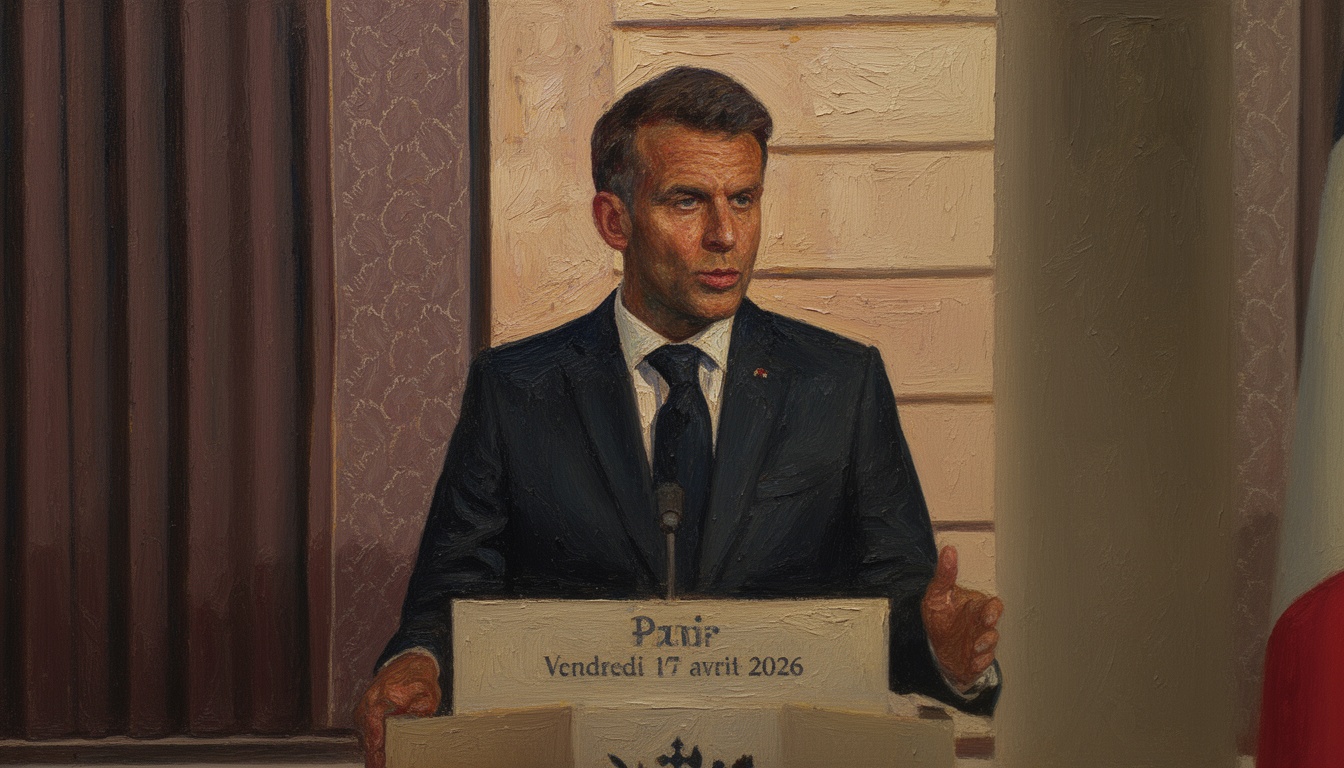
EU Leaders Eye Multinational Force for Hormuz After Iran Conflict
EU leaders discuss deploying a multinational force to the Strait of Hormuz after Iran’s war ends. Macron welcomed Iran’s pledge to reopen the waterway to commercial shipping during the ceasefire, but demands unconditional reopening. The move signals bold deterrence by Europe and risks of regional escalation.
The EU summit participants framed a joint statement on the Strait of Hormuz, signaling a potential multinational security operation to protect shipping after the Iran conflict concludes. The discussion focused on how to deter disruption of critical chokepoints and ensure uninterrupted flux through the waterway. Leaders stressed the strategic importance of Hormuz to global energy flows and regional stability. The conversation underscored a willingness to mobilize forces if necessary to guarantee safe passage for commercial vessels.
Background tensions center on Iran’s influence over the Strait and the vulnerability of sea lanes in the Gulf. European capitals have long argued that open shipping lanes are non-negotiable for global markets. The ceasefire agreement provides a window for planning, coordination, and legal mandates for any forthcoming deployment. A multinational presence would combine naval power with maritime security and civilian protection capabilities.
Strategic significance lies in Europe’s desire to maintain a credible dissuasion while preserving diplomatic channels with Tehran. A successful multinational operation would complicate Iran’s regional leverage and recalibrate deterrence dynamics with other Gulf states. It would also test alliance interoperability, rules of engagement, and coalition command structures for high-end maritime operations.
Operational details discussed include force composition, rules of engagement, and budget implications. Talks reportedly cover naval units, air and intelligence support, and logistics hubs across member states. Analysts expect tight coordination with allied partners, a clear mandate for freedom of navigation, and potential restrictions on force rules to avoid destabilizing the ceasefire. Financial commitments will seek to balance burden-sharing with political signaling to Iran.
Looking ahead, the decision could shape the region’s security architecture for years. A green light would raise the dissuasive threshold against disruption of shipping while inviting adversaries to test their thresholds. Short-term risks include miscalculation by Iran or proxy actors, while long-term effects could redefine European strategic autonomy in the Gulf.