Epic Fury Costs Surge Past $11 Billion in Six Days, Transparency Crisis Looms
The Pentagon's disclosure of over $11 billion in costs for Operation Epic Fury in just six days underscores a potential transparency crisis and raises alarms over budgetary accountability amid escalating military commitments.
The Pentagon revealed that costs for Operation Epic Fury have already surpassed $11 billion within the first six days of its initiation. This eye-popping figure, presented to Congress, marks a significant escalation in military spending that many analysts predict is poised to rise even higher due to additional war-related expenses not accounted for in the initial report.
The quick escalation of costs can be tied to the increasing complexity of modern military operations, which often entail extensive logistics, advanced technology deployments, and unforeseen challenges on the battlefield. Since its launch, Epic Fury has intensified U.S. military engagement in theaters of conflict that have already strained existing resources and budget allocations. The Pentagon's budgeting practices particularly come under scrutiny as operations in multiple regions continue to multiply.
The implications of this announcement are profound. The massive expenditures signal the U.S. government's prioritization of military readiness over social expenditures, raising concerns among defense analysts about an unsustainable trajectory. Furthermore, soaring costs could lead to conflicts within Congress over allocations, potentially jeopardizing other crucial lines of defense and security funding.
Key actors such as the Pentagon, various congressional committees, and defense contractors stand to gain or lose significantly from this financial surge. Pentagon leaders might argue for further increases in defense spending to accommodate rising operational costs, while congressional members may push back due to the escalating national debt and fiscal tightening pressures. Defense contractors, meanwhile, would be incentivized by potential lucrative contracts resulting from such high operational tempo.
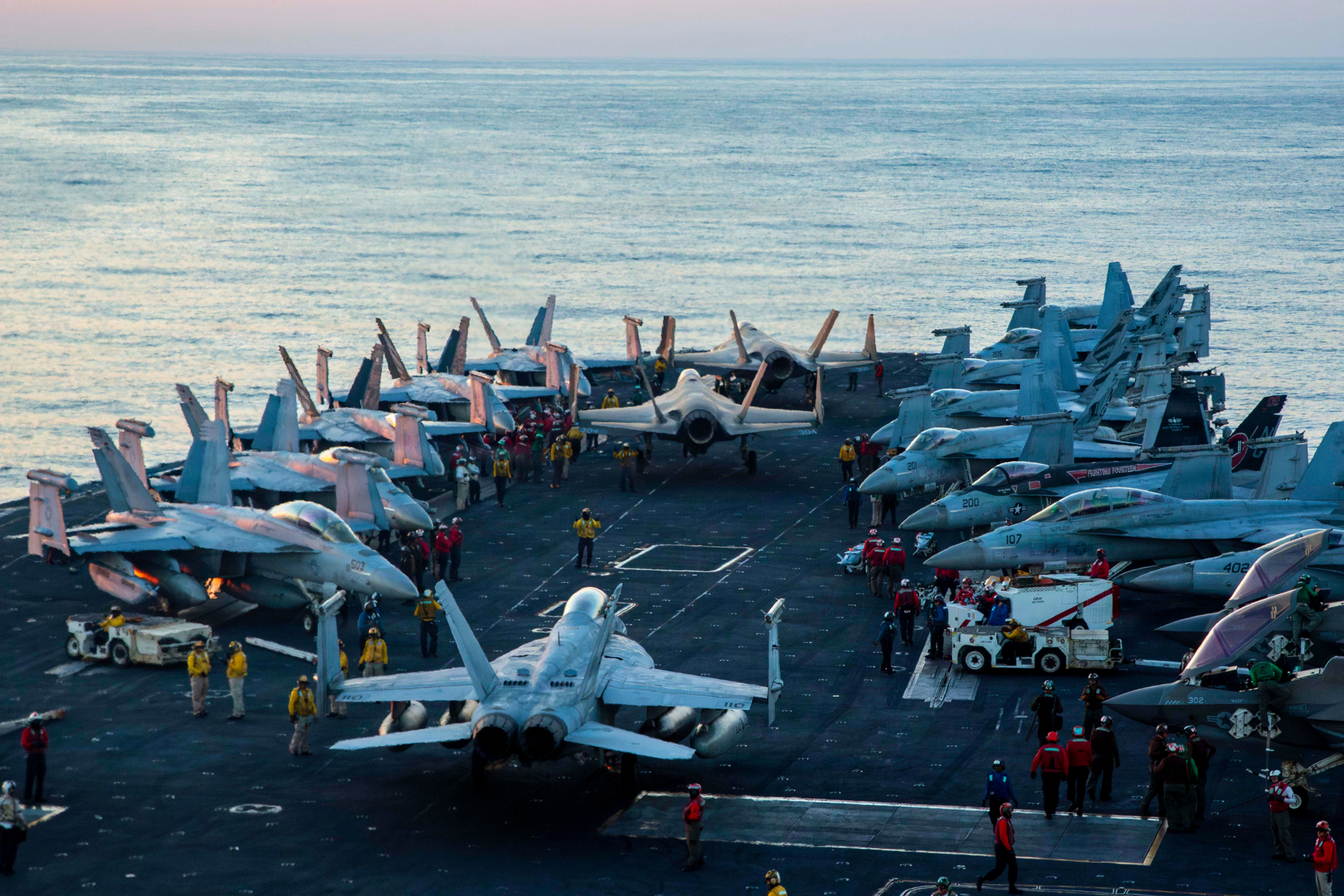
Operational details reveal that Epic Fury involves a multifaceted deployment of advanced fighter aircraft, unmanned drones, and naval forces. The deployment likely utilizes F-35 Lightning IIs and MQ-9 Reaper drones, which are each budgeted for millions of dollars per unit, all of which contributes to the rapidly inflating price tag.
The immediate consequence of these surging costs could lead to an expansion of military operations and a deeper entrenchment in conflict zones. Congress may face pressures to approve supplemental budgets in the coming weeks, setting a precedent for rapid financial approvals during military escalations, with no clear end in sight.
Historically, similar rapid expenditure increases have been observed during conflicts such as the Iraq War and the Afghanistan Campaign, where operational costs soared dramatically, leading to protracted military engagements and fiscal strain. These precedents raise red flags for current and prospective military operations, emphasizing the cycle of escalating costs that seldom correlate with military success.
In the coming weeks, attention should be focused on congressional hearings regarding funding approvals and oversight mechanisms. Watch for indicators such as additional appropriations requests from the Pentagon or significant shifts in budget proposals which could suggest deeper military commitments or changing strategic priorities within the U.S. defense apparatus.