English: Public protest strains US-Singapore ties as trust wanes
English strategic significance: A rare Singapore protest against the US war machine signals growing public unease with Washington. The event underscores broader regional disquiet over US foreign policy, potentially nudging bilateral ties toward greater caution. Analysts will watch for official responses and any shift in defense dialogues or regional diplomacy.
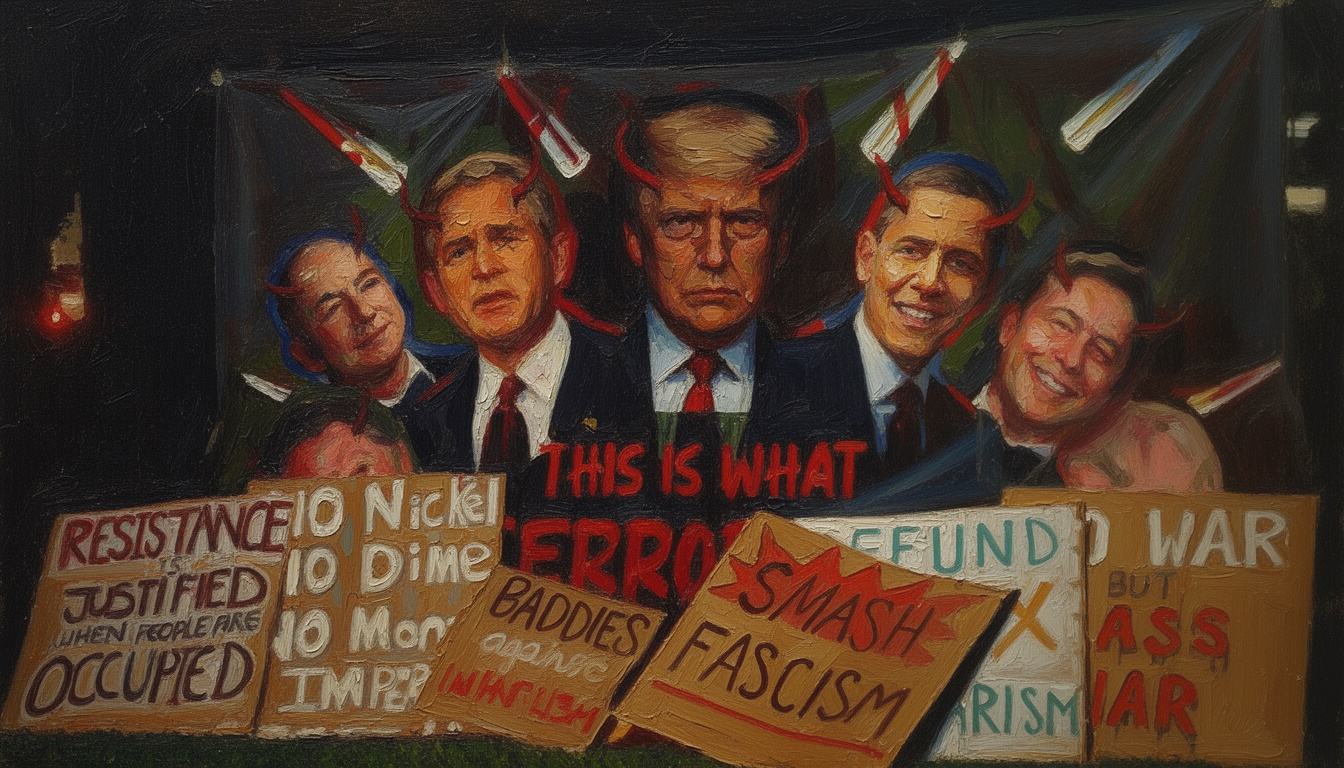
A rare public protest in Singapore has raised questions about the resilience of the long-standing security partnership with the United States. Hundreds gathered at Hong Lim Park over the weekend, brandishing placards and banners that criticized the US as a looming military power. One sign depicted horns on past and present US presidents with the caption: This is what terrorists look like. The demonstration, which required formal permission from authorities, reflects a notable shift in public sentiment toward Washington in a regional climate wary of great-power competition.
Observers note that the protest comes amid broader regional conversations about the role of external powers in Asia-Pacific security. While Singapore maintains a robust defence relationship with the US, it also seeks to balance ties with other major powers and to emphasize strategic autonomy. Local commentators argue that public disapproval, even if limited in scale, amplifies voices calling for a more nuanced approach to foreign policy and regional security commitments.
Strategically, the event tests the diplomacy surrounding US-Singapore collaboration on defense technology, joint exercises, and regional deterrence postures. If public skepticism grows, it could prompt more careful messaging from both sides about risk, restraint, and the goals of bilateral cooperation. The incident may also influence Singapore's stance on broader alliance dynamics, including engagement with other partners in the Indo-Pacific.
Technical details remain sketchy from this brief protest report. There is no official statement on whether tensions will affect military planning or training calendars. The episode underscores a widening conversation about transparency, accountability, and the perception of US power in small but economically advanced states. Analysts expect continued scrutiny of defence diplomacy, with potential adjustments in public communications and alliance signaling.
Looking forward, the key question is whether this sentiment translates into substantive policy shifts or remains a symbolic critique. Washington will likely reinforce assurances of continued security guarantees and joint capabilities. Singaporean policymakers could respond with calibrated diplomacy, stressing shared interests, rules-based order, and practical cooperation to avoid destabilizing misperceptions.