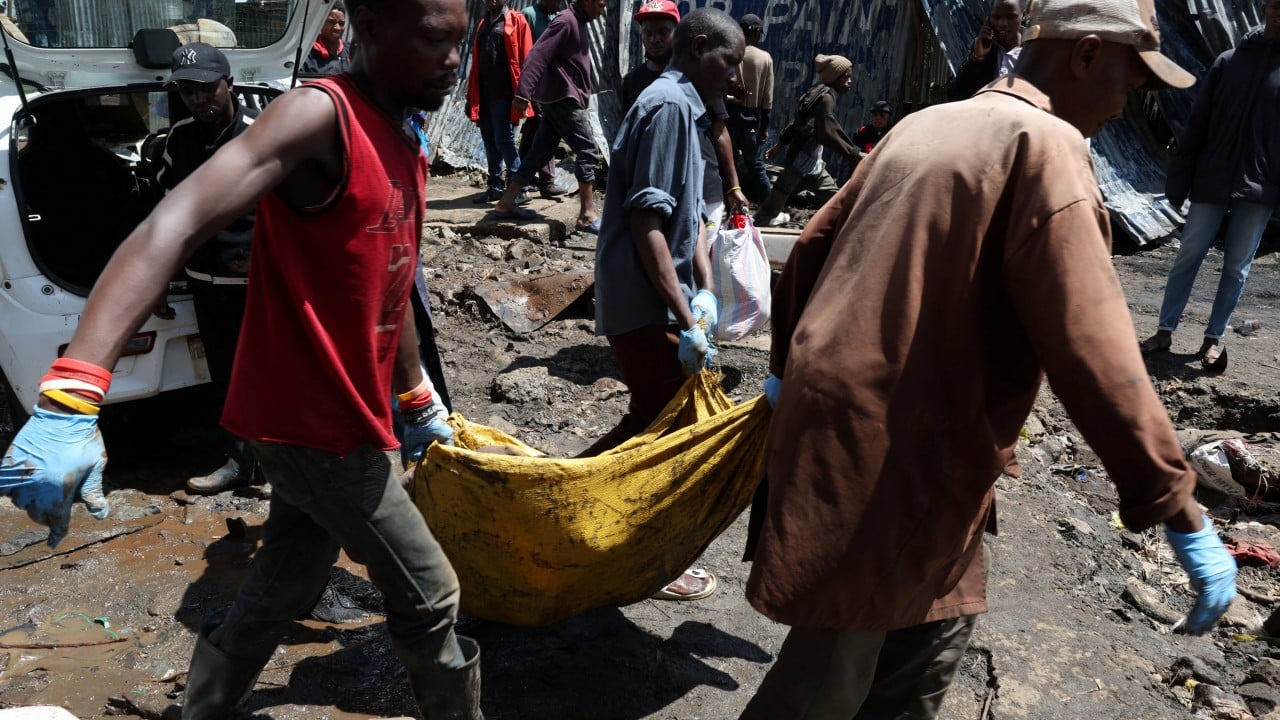
Eight Dead in Kenya Flood Crisis as Military Deployed for Rescue
Severe flooding in Nairobi has caused eight fatalities and significant disruption, highlighting Kenya's vulnerability to climate-related disasters. The deployment of military resources underscores the severity of the situation as rescue operations continue.
At least eight people have died in Nairobi due to a catastrophic flood crisis triggered by heavy rain, as emergency services struggle to cope with the aftermath. Six individuals reportedly drowned, while two others were electrocuted due to rising water levels and hazardous conditions. This tragedy unfolds as major roads are rendered impassable, stranding countless motorists and disrupting vital transportation links across the city.
The heavy rains, which started overnight, led to widespread flooding in an area already prone to such natural disasters. In recent years, climate change has exacerbated rainfall patterns in East Africa, contributing to more severe flooding events. Previous flooding incidents in Kenya have led to comparable deaths and infrastructure damage, but the current crisis highlights both an increasing frequency of such events and the country's inadequate response mechanisms.
The current flooding in Nairobi poses significant strategic risks. The city serves as a key hub for regional logistics and international diplomacy, and disruption here could exacerbate humanitarian challenges. The loss of infrastructure, coupled with devastating fatalities, raises urgent questions about governmental capabilities in disaster management, potentially affecting national and regional stability.
Key actors in this crisis include the Kenyan government, which has faced criticism for its lack of preparedness and prompt response. The deployment of military resources indicates that civilian agencies are overwhelmed, raising concerns that emergency protocols may not be sufficient to handle escalating climate-induced disasters. Public dissatisfaction with government response could lead to increased political instability.
As authorities continue search and rescue operations, reports indicate that over 100 vehicles have been damaged. Flooding has also caused severe power outages across neighborhoods, further complicating recovery efforts. The scale of destruction is still being assessed, and officials warn that conditions may worsen before improving.
The potential for further casualties is high, as ongoing rain and floodwaters create additional hazards for emergency responders. Furthermore, the forthcoming rainy season could lead to further flooding events, indicating a possible cycle of crises if mitigation strategies are not adopted swiftly. The costs in terms of human lives and economic impact could escalate dramatically if comprehensive disaster response and infrastructure improvements are not prioritized.
Historically, Kenya has faced similar challenges with natural disasters, particularly during periods of El Niño events, which cause seasonal heavy rains. The government’s repeated failures to adequately prepare for and respond to these disasters could spark public outcry and demands for systemic reform in disaster management practices. Past incidents have often led to debates on infrastructure readiness and environmental policy, pointing to a troubling trend of short-term responses over long-term solutions.
Going forward, it is critical to monitor the Kenyan government’s response capabilities and any international aid that may be mobilized in light of the disaster. Key indicators include updates on casualty figures, infrastructure repair timelines, and the government's adaptation strategies to mitigate future flooding events. The political fallout may drive urgent reforms in urban planning, water management, and emergency preparedness to prevent similar crises in the future.