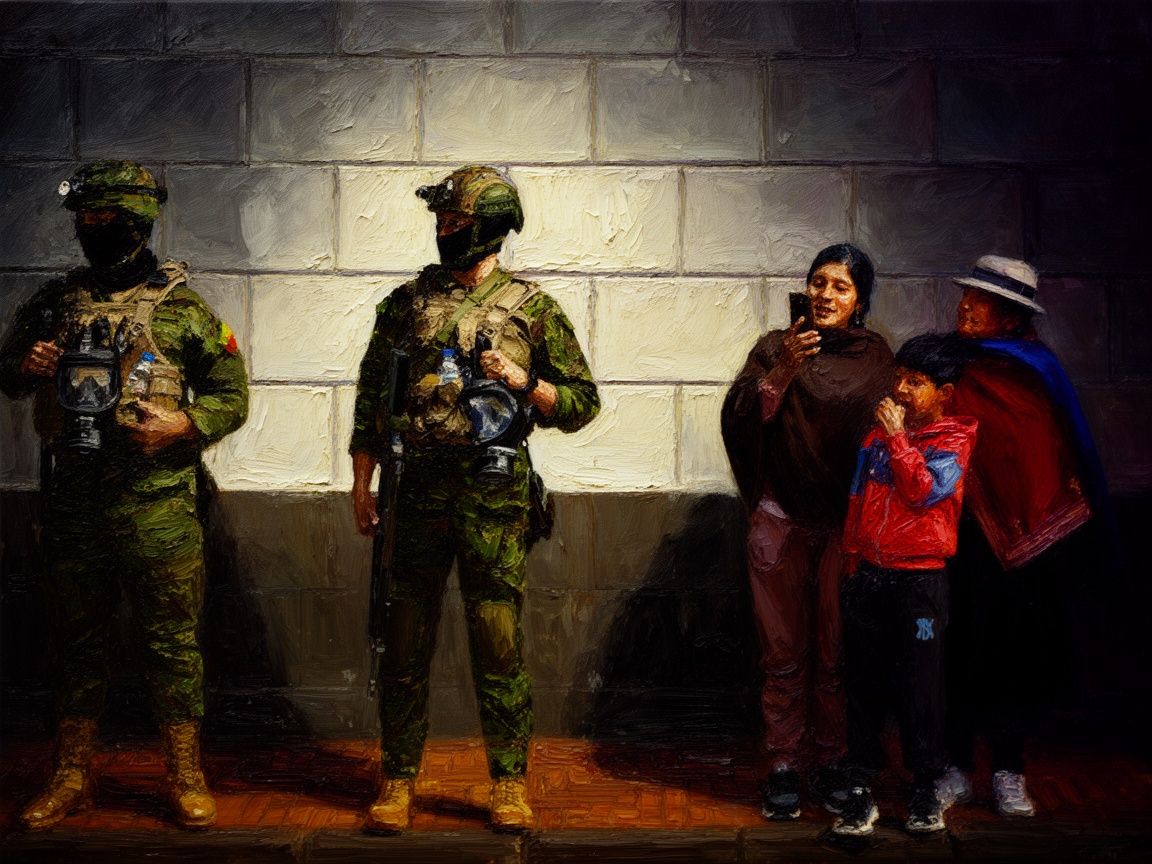
Ecuador Reports 28% Homicide Drop Amid Brutal Anti-Crime Campaign
Ecuador's president Daniel Noboa claims a 28% homicide reduction due to aggressive joint military actions with the US targeting criminal gangs. This marks a significant operational escalation in regional anti-crime efforts impacting security dynamics in Latin America.
Ecuador announces a sharp 28% drop in homicides following intensified anti-crime operations led by President Daniel Noboa. These operations involve coordinated military efforts with the United States targeting entrenched criminal organizations.
The initiative escalates Ecuador’s internal security approach, historically challenged by drug trafficking and gang violence. This new hardline strategy includes expanded military presence in key hotspots and direct action against cartel supply chains.
Strategically, Ecuador's crackdown aims to disrupt regional criminal networks that threaten neighboring countries. Collaboration with the U.S. highlights the transnational dimension of combating organized crime, reflecting broader hemispheric security concerns.
Operational details reveal increased troop deployments, specialized units, and intelligence sharing with U.S. military advisors. Budget allocations have surged to support counter-narcotic missions and rapid assault capabilities against cartel-controlled territories.
The campaign’s success in reducing murder rates may embolden similar tactics in Latin America, but risks escalate retaliation by criminal groups and potential human rights criticisms. The durability of this hard power approach hinges on sustained funding and multilateral cooperation.