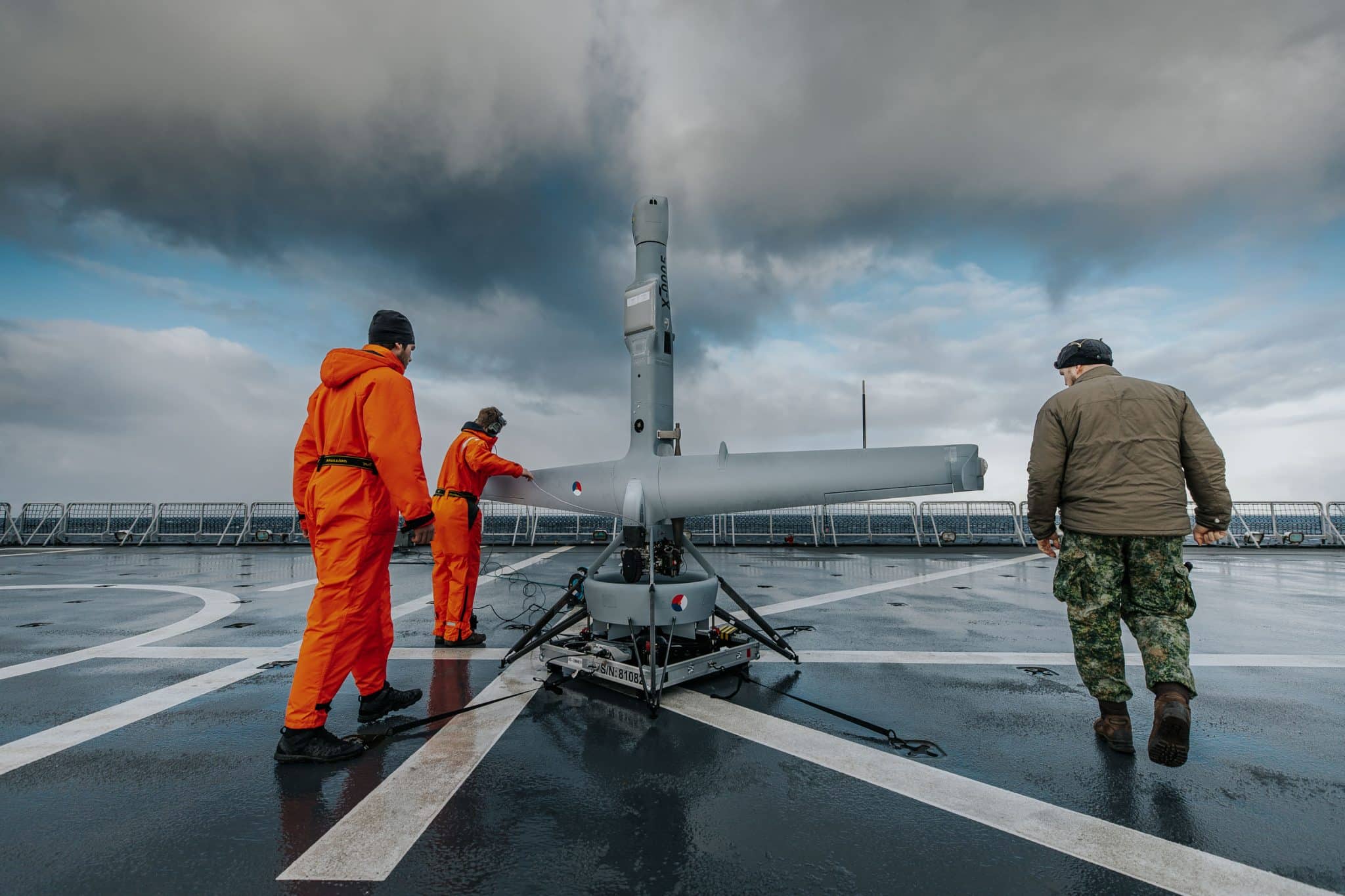
Dutch Navy Acquires 12 V-BAT Reconnaissance Drones
The Royal Netherlands Navy’s acquisition of 12 V-BAT drones marks a leap in maritime ISR capabilities, strengthening Dutch and NATO edge in North Sea surveillance. This procurement directly challenges regional adversaries and accelerates small drone militarization in Europe.
The Dutch Ministry of Defence has finalized the acquisition of 12 V-BAT vertical takeoff reconnaissance drones, bolstering the Royal Netherlands Navy’s ability to conduct persistent surveillance and intelligence gathering in North Sea and global maritime operations. The move follows a rigorous test phase, signaling the Dutch intent to accelerate drone integration in frontline security missions.
This procurement comes as European coastal defenses face increasing pressure from evolving gray zone tactics, cyber threats, and Russian naval activity. The Dutch Navy’s modernization drive, especially through unmanned assets, has been shaped by years of competing with adversarial submarine and drone activity in the Baltic and North Seas.
This deployment represents a significant escalation in NATO’s technological edge within a contested maritime domain. The V-BAT’s long endurance and high-altitude ISR capacities close critical gaps in Dutch and allied detection range, directly countering sub-threshold enemy maneuvers and hybrid warfare scenarios. The pace of European drone proliferation is accelerating, raising the bar for regional naval competition.
Key actors include Shield AI, the US-based manufacturer; the Dutch Defense Ministry; and competing regional powers monitoring this acquisition, including Russia and China. While NATO presents this as benign modernization, the underlying aim is to deter and preempt adversary activities that threaten maritime supply lines and energy infrastructure.
The V-BAT is a vertical takeoff/landing (VTOL) UAV capable of several hours’ flight at altitudes exceeding 2,000 meters. Fitted with multi-mode radar and EO/IR cameras, it provides full-spectrum maritime surveillance and targeting. The contract, valued at tens of millions of euros, positions the Dutch Navy among the most advanced NATO fleets in autonomous ISR.
Immediate consequences include a surge in real-time Dutch ISR capacity, faster detection and classification of threats, and expanded operational reach from naval platforms. This uptick in unmanned capability could trigger similar acquisitions by neighboring Baltic states, further driving regional UAV arms races. There are also escalation risks if drones play direct roles in live intercepts or confrontations.
Historically, the introduction of cutting-edge reconnaissance tools—such as the Global Hawk and ScanEagle platforms—has tilted the balance in strategic littoral environments. The V-BAT deal recalls past cycles of technological leapfrogging between NATO and its adversaries, especially during moments of increased naval brinkmanship.
Watch for operational integration timelines, reported interception incidents involving V-BATs, and retaliatory drone deployments by actors like Russia. Intelligence indicators include logistics movements to Dutch naval bases, domestic political debate over autonomous weaponry, and procurement actions by neighboring NATO allies. The next 12 months will reveal the true impact on North Sea maritime deterrence.