Drone attack by Israel near Gaza mosque kills at least 6
The strike marks another escalation in the Gaza lull period, underscoring the fragility of the ceasefire dynamics. Initial reports indicate a casualty toll of six or more, with several wounded and structural damage near a central Gaza City mosque. The incident invites regional scrutiny over Israeli targeting and civilian protection commitments.
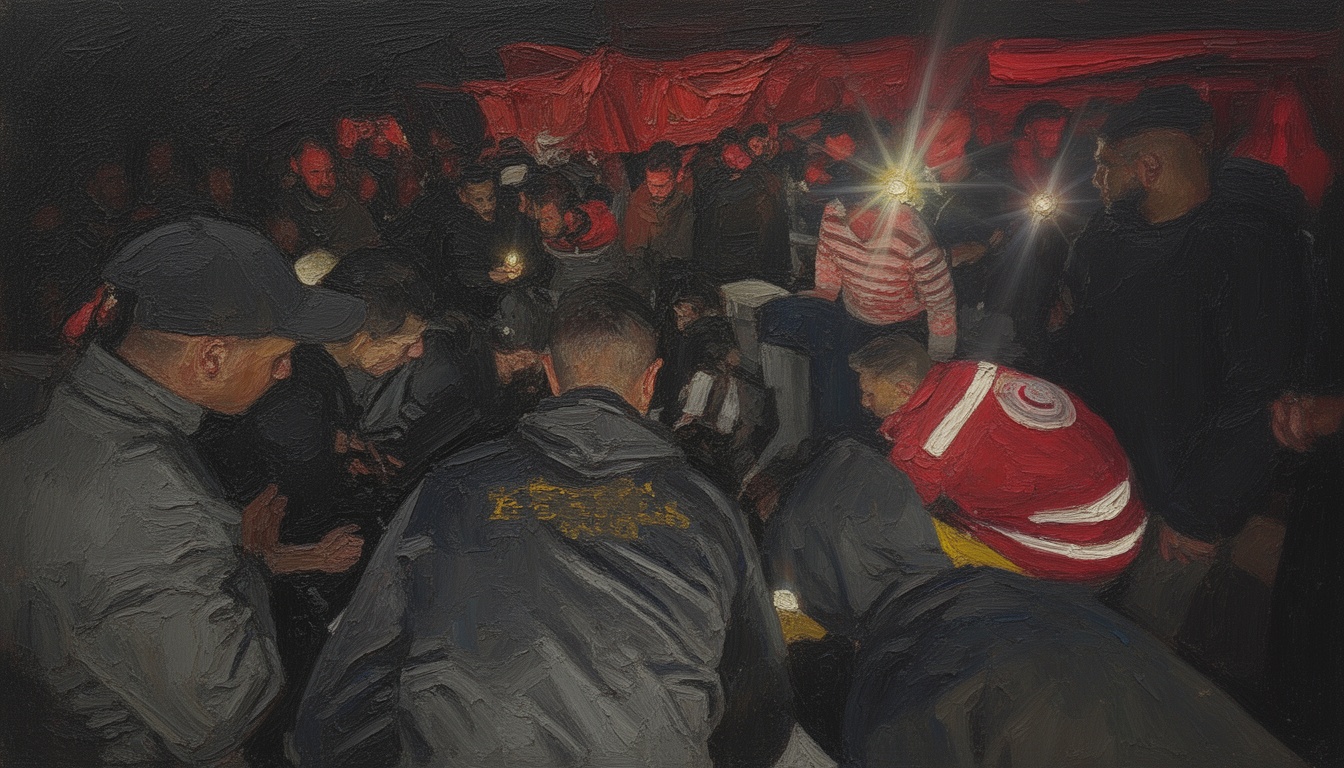
A drone strike attributed to Israeli forces hit near a central Gaza City mosque, killing at least six people and injuring others. Witnesses described the blast as a high-velocity impact that shattered surrounding structures and disrupted a densely populated neighborhood. Emergency responders struggled to reach casualties amid ongoing debris and aftershocks. The strike follows a pattern of rapid, targeted actions that widen the risk to civilians during holy sites and daily routines.
Background: The Gaza Strip has endured a long cycle of violence and periodic escalations between Israeli forces and Palestinian factions. Ceasefire arrangements have repeatedly frayed under mutual accusations of violations, with incidents near civilian concentrations amplifying international concern. The mosque area is typically a focal point for community gathering, making any strike on such locations highly provocative and politically charged.
Strategic significance: The attack escalates tensions at a sensitive political moment and tests international mediation efforts. It could prompt new inquiries into the proportionality and necessity of kinetic responses, while potentially triggering retaliatory rhetoric from Palestinian groups. The incident also sharpens diplomatic fault lines among regional actors who monitor Israeli operations near urban centers.
Technical/operational details: Details remain sketchy; local authorities reported a drone strike with multi-rotor or fixed-wing platforms used in close-proximity attack modes. Casualty figures are provisional and subject to change as rescue teams complete assessments. The targeting choice suggests continued reliance on aerial systems for rapid disruption, especially around civilian infrastructure. Budgetary or force-mixing specifics are not yet disclosed by officials.
Consequences and forward assessment: The event is likely to aggravate civilian suffering and complicate humanitarian access in Gaza. International actors may renew calls for restraint and accountability, while local authorities weigh security measures around religious sites and public spaces. If patterns persist, the Gaza interface could shift toward tighter Israeli air sovereignty over urban corridors and heightened Palestinian deterrence calculations in the short term.