DR Congo Clashes Between Army and M23 Rebels Escalate Crisis
Intense fighting between DR Congo’s army and M23 rebels in Fizi territory worsens regional security. The conflict involves local armed groups and alleged Rwandan support to M23, raising concerns of escalation. Civilians endure severe hardship amid the ongoing violence.
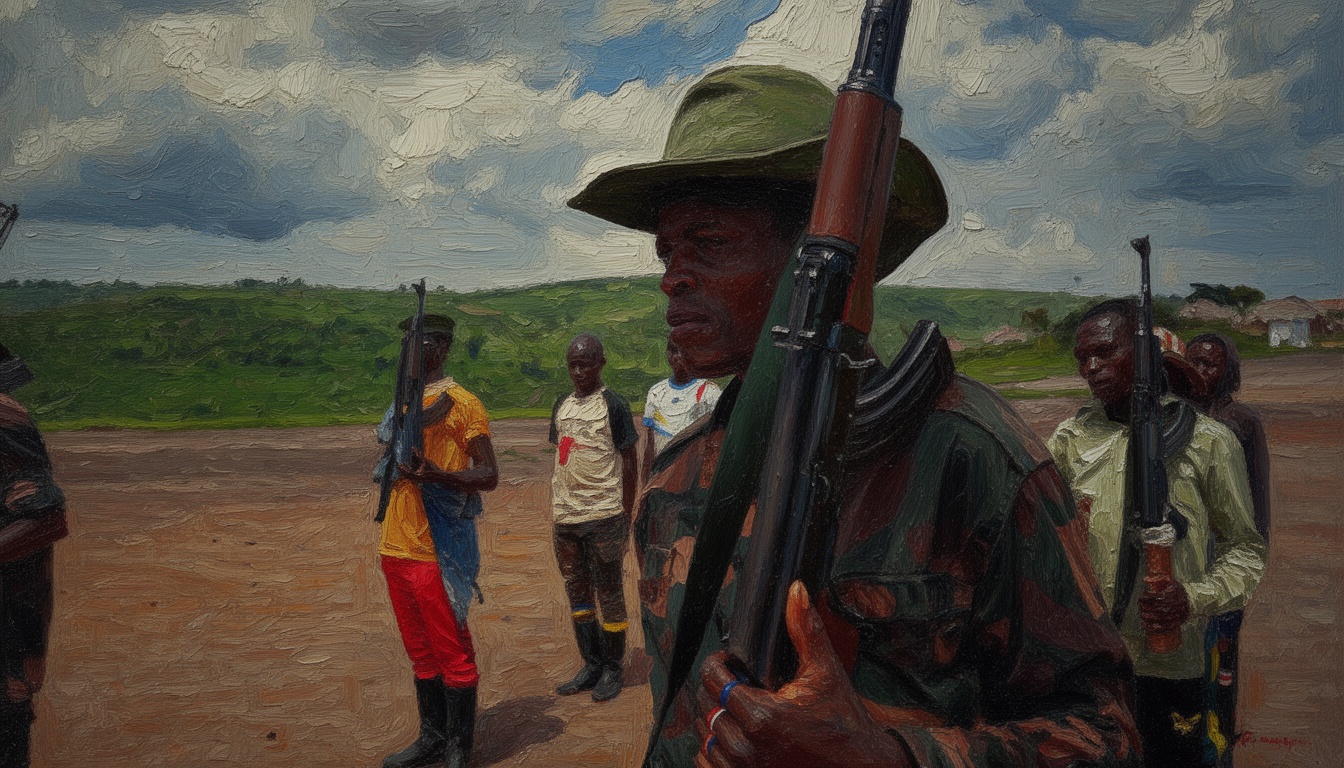
Fierce fighting is ongoing in the Fizi territory of eastern Democratic Republic of Congo between Congolese army forces and M23 rebels. Local armed groups have joined the battle alongside government troops, while the rebels reportedly receive backing from neighboring Rwanda. The conflict has intensified with new recruits joining armed militias, exacerbating instability.
This area has long been volatile due to ethnic tensions and competition for local resources. The resurgence of M23, a rebel group active since 2012, threatens fragile peace efforts and regional security. The involvement of foreign support complicates the dynamics further, risking a broader conflict.
Strategically, the fighting jeopardizes security in the eastern DRC and spillover into neighboring states. The proliferation of militias undermines peacekeeping initiatives and could destabilize the Great Lakes region, where multiple armed groups vie for control. The crisis highlights persistent governance gaps and regional power rivalries.
Operationally, M23 uses guerrilla tactics and benefits from cross-border supply lines, while Congolese forces rely on local militias to reinforce their numbers. Weaponry mainly includes small arms and light vehicles, with no reports of heavy weapons deployment. Recruitment surges show the conflict's deepening local impact and difficulties in disarmament efforts.
The humanitarian impact is severe, with civilians trapped in crossfire and often displaced. The escalation may prompt calls for renewed international intervention and peace negotiations. Without strategic concessions, the conflict risks spiraling further, destabilizing the region's security architecture.