Dover Base Job Posting Sparks Fears of Upcoming Military Casualties
A job listing for handling fallen troops' belongings at Dover Air Force Base raises alarms about imminent military operations and potential casualties. This signals a worrying trend in U.S. military commitments abroad amid heightened global tensions.
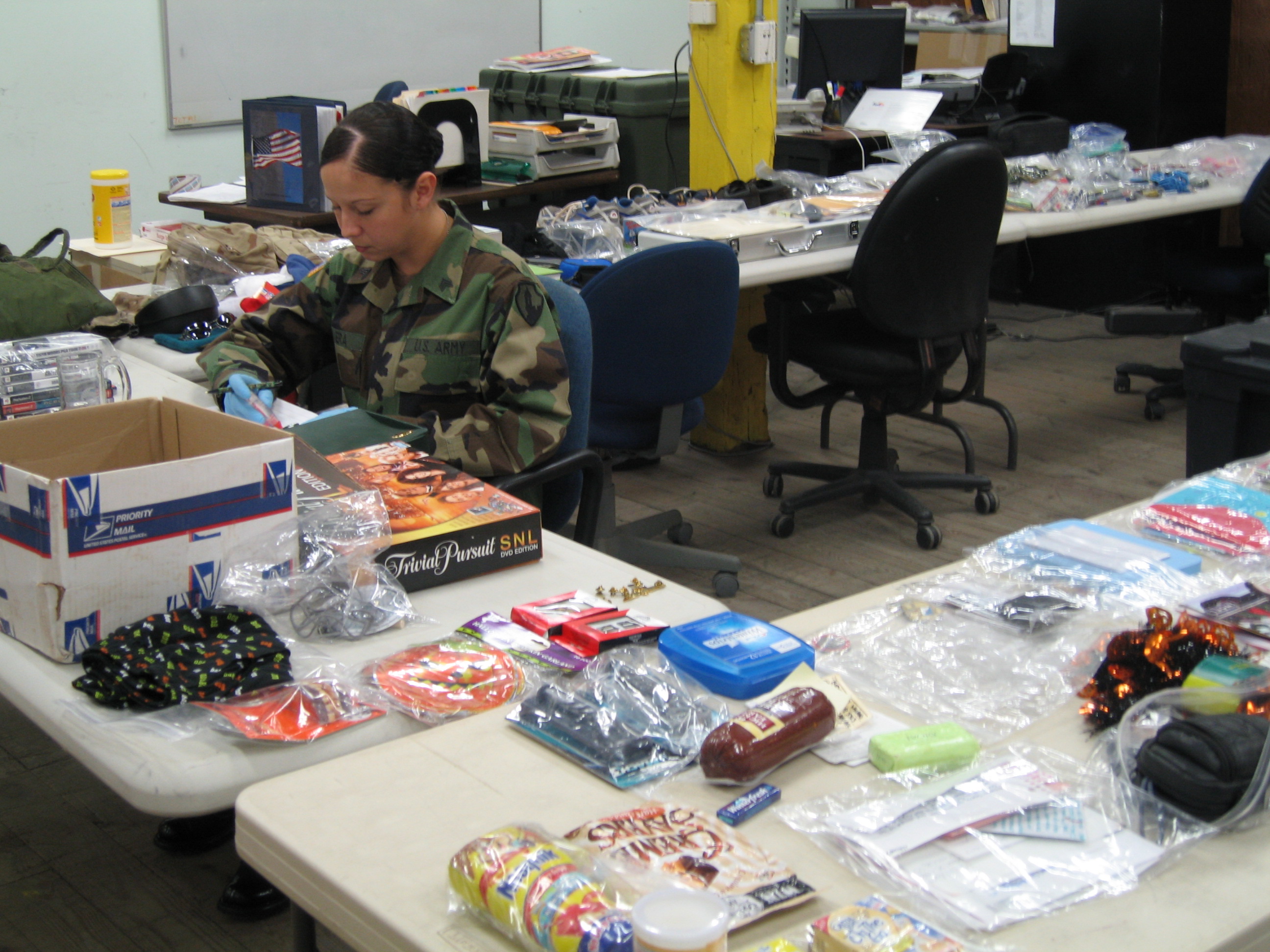
A recent job posting for specialists tasked with managing the personal effects of fallen troops at Dover Air Force Base has ignited significant concern across social media platforms. The listing suggests potential escalation in U.S. military operations, with observers fearing that it reflects preparations for increased engagements leading to more casualties. This move comes as military planners seem to anticipate intensified conflict scenarios, prompting scrutiny over the U.S. operational posture abroad.
In recent years, Dover AFB has served as a key logistics hub for returning remains of U.S. servicemembers from combat zones. The base's role became more prominent following the resurgence of U.S. activities in regions like the Middle East and the heightened military presence in Eastern Europe. This job posting appears as a direct response to these developments, raising alarms about how the U.S. might be gearing up for further operations that could lead to loss of life, which is always sensitive and deeply scrutinized.
The significance of this posting is amplified by current geopolitical tensions. With ongoing conflicts in places like Ukraine, tensions in the South China Sea, and standoffs in the Middle East, any hint of escalated U.S. military action hints at a potentially increased risk of casualties. This job listing has quickly become a focal point for broader concerns regarding the U.S. military's willingness to engage in conflicts worldwide, as public sentiment sways against prolonged military entanglements after decades of warfare.
Key players in this development include the U.S. Department of Defense and military planners who might be reacting to international pressures and commitments. The job's description indicates a potential expansion of U.S. military engagement in volatile regions, urging analysts to consider which conflicts might prompt such operational expansion. The motivations behind this could signal a pivot in strategy to respond to perceived threats rather than maintaining a posture of restraint.
In terms of operational details, the position specifies that candidates will handle sensitive and potentially emotionally charged materials, implying an expected uptick in military casualties necessitating this service. The strategic import of this job posting is not merely procedural; it reflects a broader, more disturbing trend in U.S. military strategy. The need for personnel to manage the belongings of deceased servicemembers indicates a changing landscape with potentially heightened conflict scenarios.
Should this job posting be indicative of actual policy changes or military missions, we could see an immediate escalation in conflicts involving U.S. military forces, particularly in hotspots like the Indo-Pacific region or Eastern Europe. Analysts are closely watching for subsequent announcements regarding troop deployments or military operations, which could further confirm or dispel fears of an impending escalation.
Historically, job postings like this have often preceded military engagements or have highlighted deeper issues at play within defense readiness and public perception. With the U.S. military's frequent rotations and deployments, the announcement serves as a reminder of the high-stakes environment in which these service members operate, often resulting in tragic outcomes.
Going forward, it will be critical to monitor official U.S. military communications and movements following this posting. Observers should look for increased readiness activities or changes in defense policy that could indicate the U.S. is preparing for a more confrontational stance internationally. Intelligence indicators will include troop deployment orders, logistical shifts in military assets, and public statements from defense officials regarding operational readiness and strategy adaptations.