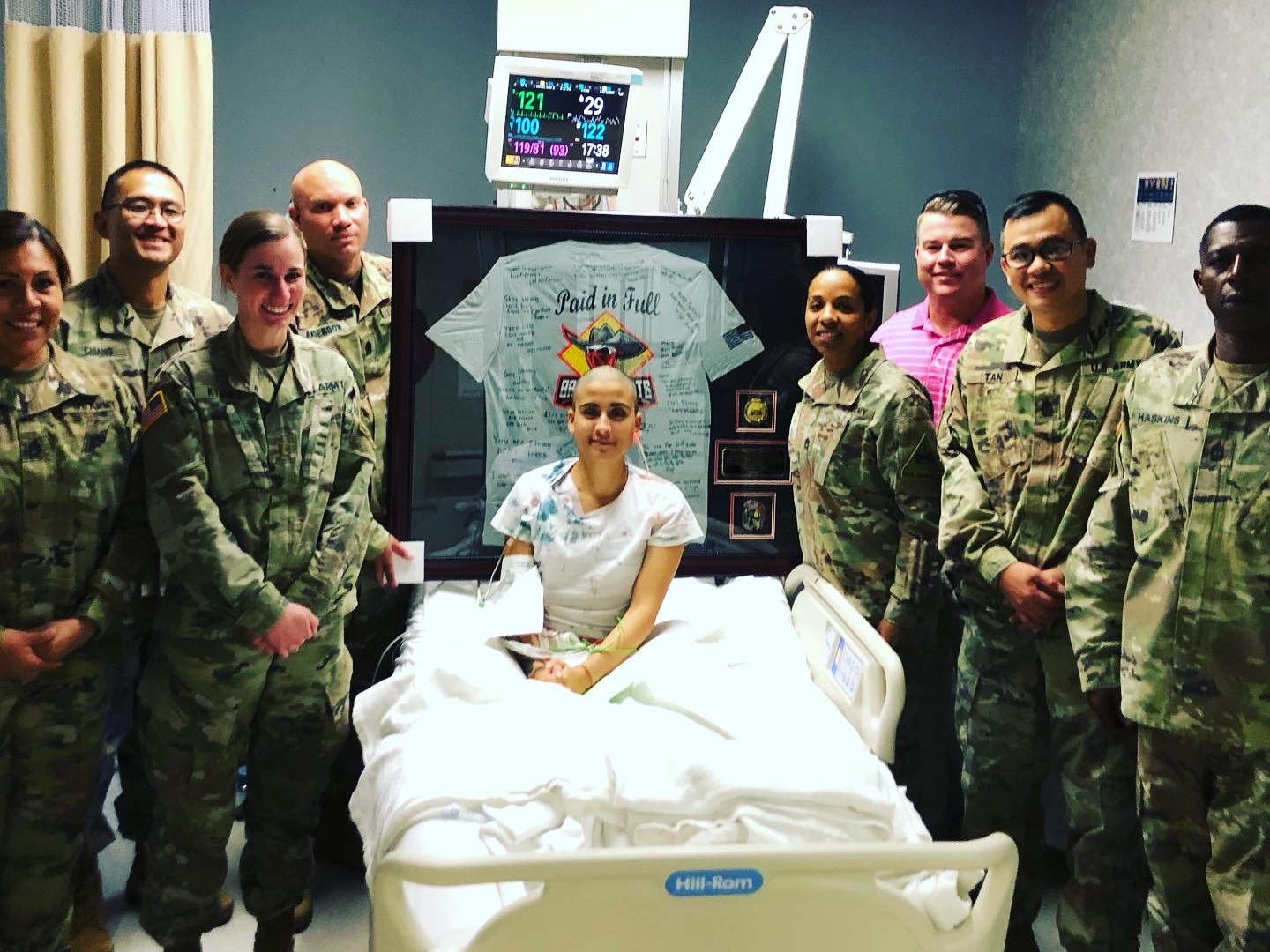
DoD Denies Malpractice in Soldier’s 26-Year Cancer Death
The Department of Defense rejects malpractice claims over a 26-year-old soldier’s fatal cancer. The family alleges ignored health warnings and delayed diagnostics caused the death, raising concerns on military medical accountability.
The U.S. Department of Defense (DoD) has officially denied malpractice allegations linked to the death of a 26-year-old active soldier from cancer. The soldier's family asserted that critical health complaints and requests for vital diagnostic tests were dismissed repeatedly until the condition became terminal.
This tragic case surfaced concerns about medical negligence within military healthcare, where timely interventions are crucial for service members' survival. The family's accusations center on personnel overlooking symptoms that could have led to an earlier diagnosis and treatment.
Strategically, this incident fuels broader debates about the quality and responsiveness of military medical systems globally. Armed forces worldwide face challenges balancing operational readiness with comprehensive healthcare, making accountability critical to maintaining morale and trust.
The specifics involve denial of advanced diagnostic exams essential for detecting the soldier’s cancer at an earlier stage. Military medical protocols and decision-making hierarchies are under scrutiny to assess if systemic flaws contributed to the fatal outcome.
Moving forward, this decision not to acknowledge malpractice might deepen distrust among military families and prompt calls for reform in battlefield and peacetime medical support. Ensuring prompt and accurate medical care remains a pivotal issue for global defense institutions aiming to protect their personnel effectively.