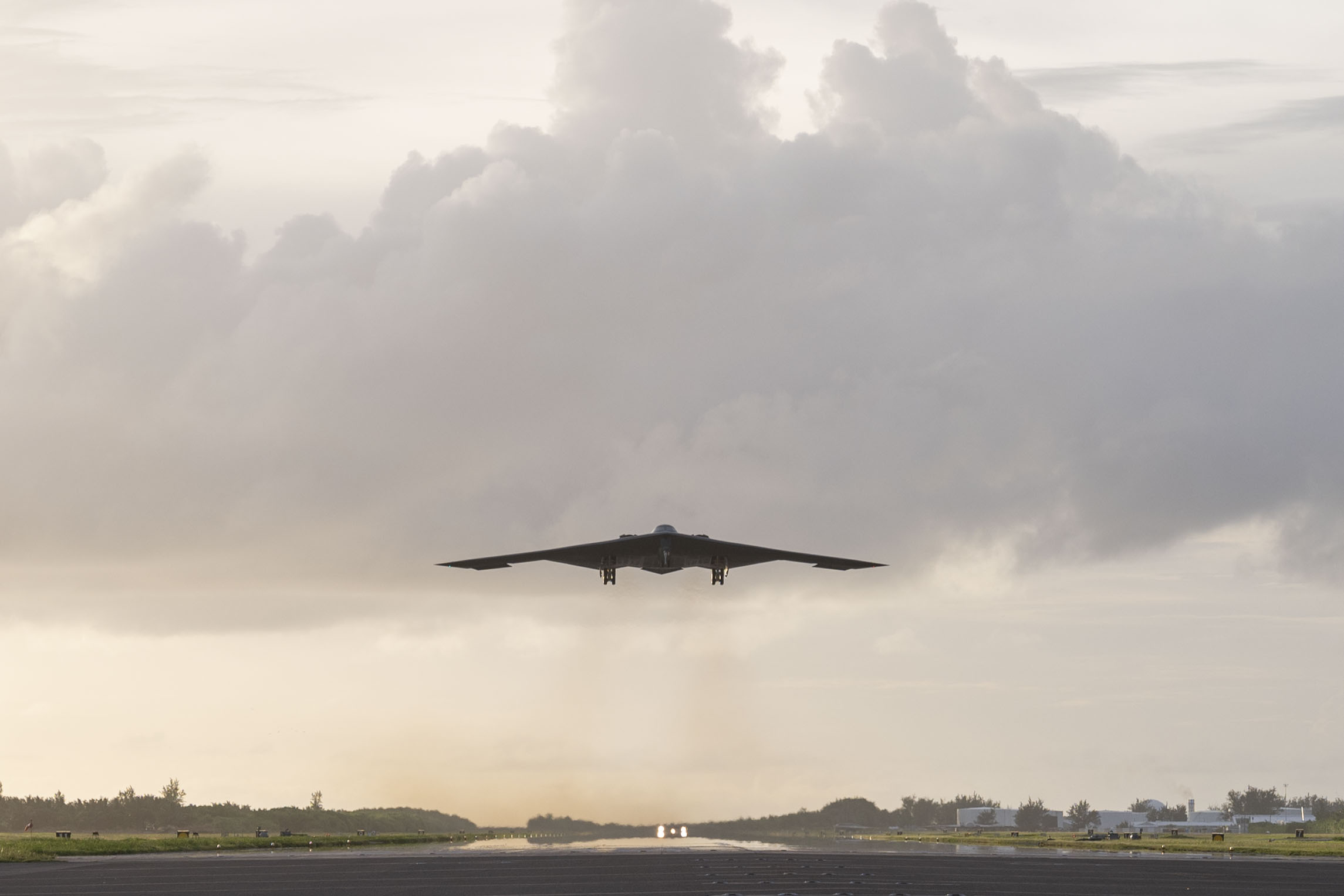
Diego Garcia Base Access Crisis Exposes Geopolitical Tensions
The ongoing disputes over access to Diego Garcia illustrate rising geopolitical tensions, impacting U.S.-U.K relations and regional security dynamics in the Indian Ocean. These tensions could lead to shifts in military strategy and alliances.
Access to the strategically vital Diego Garcia military base has become a crisis point in the broader landscape of international relations, exposing deep fractures in U.S.-U.K. cooperation. Recent disagreements surrounding the base, influenced by geopolitical maneuvers, demonstrate the volatility of global defense dynamics, particularly as nations reassess their military positioning in the face of rising rivalries.
Historically, Diego Garcia has served as a key U.S. military outpost since 1971, with its location providing critical operational flexibility in the Indian Ocean. The base has been crucial for U.S. air and naval operations, especially during conflicts in the Middle East and Afghanistan. However, ongoing disputes, particularly between the U.S. and U.K. regarding sovereignty and usage rights, have escalated tensions, with implications for regional allies and adversaries.
This crisis is significant as it reveals the fragility of established alliances in an era of growing competition from countries like China and Russia. Diego Garcia's access issues could limit U.S. power projection capabilities in an increasingly contested maritime domain, emboldening adversaries and creating opportunities for regional states to reassess their security partnerships.
Key players in this situation include the U.S. Department of Defense, the British Government, and the local Chagossian population, who are demanding rightful access and reparations following their forced displacement. U.S. military interests advocate for unimpeded access to the base to maintain operational readiness, while the U.K. faces internal political pressures to address historical injustices, impacting its foreign policy credibility.
Technical details of the Diego Garcia base include its capacity to support large-scale military operations with various aircraft types, including the B-52 bombers, P-8 Poseidon maritime patrol aircraft, and advanced surveillance operations. The U.S. invested over $100 million for upgrades in recent years to enhance its capabilities, underscoring the strategic value of this installation in the face of geopolitical shifts.
The consequences of this access crisis could be far-reaching, impacting defense agreements and operational readiness. Should tensions escalate further, we could see an increase in military build-up in the Indian Ocean and shifts in alliances, perhaps drawing in regional powers like India and Australia to reassess their positions regarding the U.S. and U.K.
Historical parallels can be drawn to past U.S. military access negotiations, such as those surrounding bases in the Philippines, where sovereignty and access disputes fueled tensions. As with those past issues, the outcome of the Diego Garcia crisis may reshape the military landscape and diplomatic relations in the region for years to come.
Looking ahead, analysts should closely monitor U.S.-U.K. negotiations, internal British political debates about sovereignty, and the responses from China and Russia in the region. Indicators of military readiness, changes in force deployments, and shifts in regional alliances will be critical to understanding the evolving security dynamics surrounding Diego Garcia.