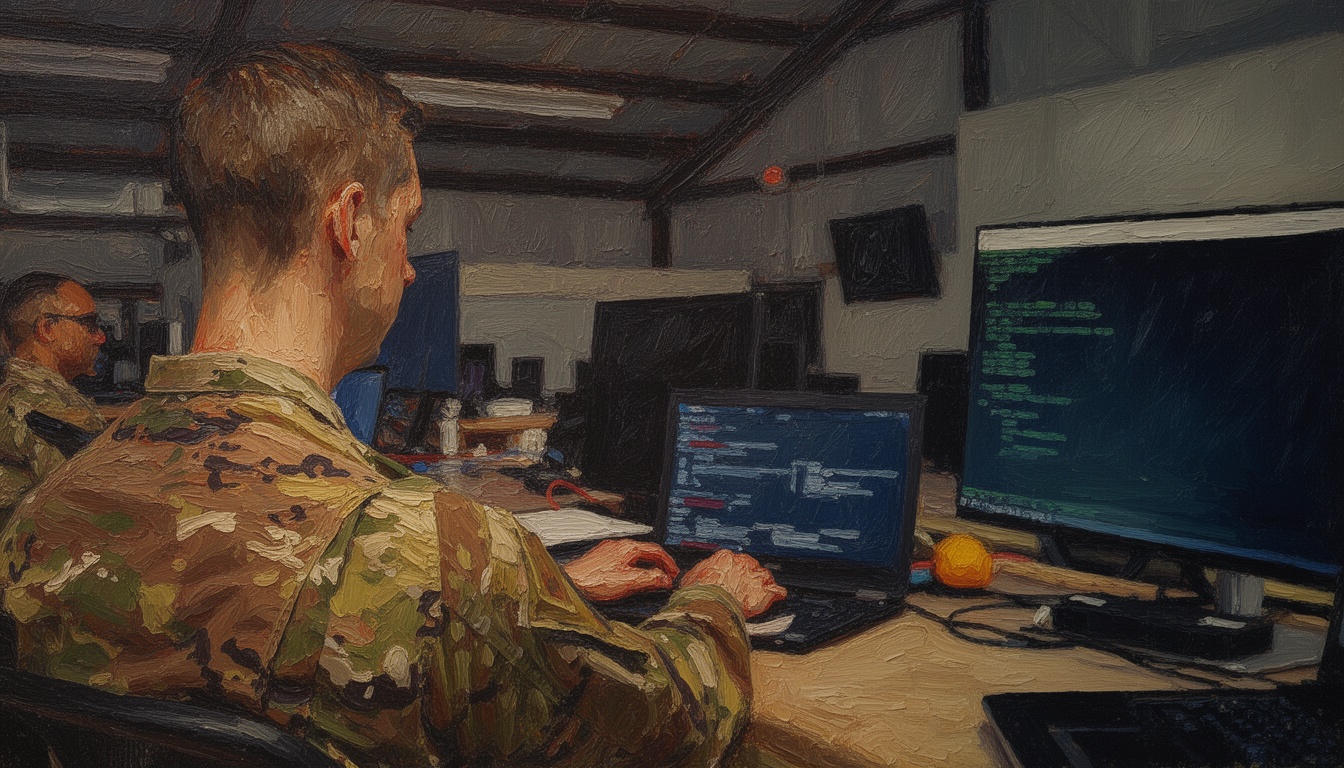
DIA Centralizes AI Drive with Digital Modernization Accelerator
The DIA reorganizes its artificial intelligence efforts under a new Digital Modernization Accelerator, signaling a sharpened focus on AI-enabled intelligence. The move aims to speed up development and deployment across the agency, reflecting a broader push to modernize defense analytics. Maj. Gen. Kinney’s challenge to his team underscores urgency and risk tolerance for rapid capability delivery.
The DIA has launched a Digital Modernization Accelerator to centralize its AI efforts across the agency. This move consolidates disparate AI initiatives under a single program, aiming to accelerate development and fielding of AI-enabled intelligence tools. The program signals a deliberate shift toward rapid data processing, model-ready workflows, and cross-domain analytics within the DIA.
Maj. Gen. Robert Kinney, the DIA’s chief AI officer, told his team with a blunt edge: "I want you to move like somebody’s on your heels, and they’re about ready to eat you." The quote captures a push to speed, pressure performance, and reduce delays in turning insights into action. Kinney’s remarks frame a high-stakes tempo aimed at preserving decision advantage.
Strategic significance centers on tempo and coherence. Centralizing AI efforts can tighten governance, reduce duplication, and improve the integration of data streams across DIA divisions. The move also alters the balance of information advantage by potentially accelerating analytics that inform targeting decisions, threat assessments, and mission support for national defense objectives.
Technical details remain sparse. The description provides no budget figures, no specific platform names, no personnel counts, and no timelines. It does indicate a cross-cutting AI initiative, but the exact governance structure or operational milestones are not disclosed. The absence of hard metrics leaves open questions about interoperability with other agencies and partners.
Looking forward, the accelerator could raise the agency’s analytic throughput and strengthen deterrence by increasing rapidity of intelligence products. Allies may seek alignment on standards and data-sharing protocols, while adversaries monitor deployment and capability debates. If the program scales, expect tighter integration of AI across reconnaissance, cyber, and human intelligence workflows, with heightened emphasis on accountability and risk management.