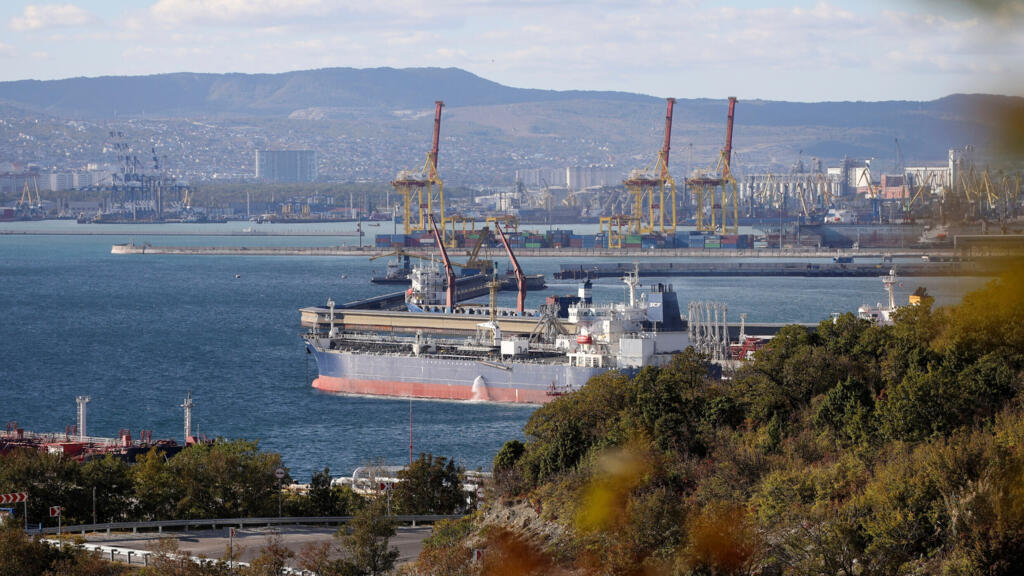
Iran War Escalation Boosts Russian Oil Revenues, Threatens Ukraine Conflict Dynamics
Iran's escalating conflict disrupts global energy markets, empowering Russia amid ongoing sanctions. This shift could significantly alter the financial landscape of Moscow's war on Ukraine.
Iran's rapidly expanding conflict has now entered a pivotal phase, marked by direct military confrontations and retaliatory strikes across the Gulf. This escalation is resulting in a sharp spike in crude oil prices, with market analysts identifying a substantial increase of approximately 10% in just weeks. Such volatility is not merely a regional issue; it reverberates through the geopolitical arena, with significant implications for Russia's ongoing military efforts in Ukraine.
The historical context reveals that Iran's military actions, alongside its support for proxy forces throughout the region, have consistently sought to counter Western influence, particularly from the United States and its allies. The culmination of sanctions and the civil unrest in Iran reflect a desperate attempt by Tehran to recalibrate its position in the broader geopolitical landscape. However, the immediate focus has shifted as Iran’s engagement in aggressive military tactics threatens to realign power dynamics, particularly concerning energy exports crucial to funding conflict.
This situation is significant because the uptick in oil prices directly serves to fortify Russia's financial capabilities in its protracted invasion of Ukraine. As Western sanctions have begun to weaken Russia's war campaign, the boost in oil revenues could provide the Kremlin with much-needed funds to replenish military supplies and sustain operations. The Kremlin’s dependence on energy exports means that prolonged instability in the Gulf could inadvertently enhance its ability to wage war further in Ukraine, complicating the already strained international response.
Key actors in this unfolding scenario include not only Iran and Russia but also the United States and the European Union. Iran’s military actions intend to project power and deterrence while simultaneously seeking to bolster its economic position through increased energy exports. Russia is likely seizing this opportunity to align with Tehran’s interests, as both face western sanctions. Their collaboration hints at an evolving partnership, based less on traditional alliances and more on existential threats from mutual adversaries.
From an operational perspective, the surge in oil prices has implications for supply chains and military logistics in the region. Analysts estimate that every $10 increase in oil prices raises Russia's annual revenue by approximately $10 billion, providing Moscow with additional resources to counteract the effects of sanctions. The increased cash flow allows for the acquisition of advanced weaponry and potentially a greater mobilization of forces along the Ukrainian front.
The consequences of this energy crisis are manifold, likely leading to escalation on multiple fronts. Should the situation in Iran continue to destabilize, Russian military operations could become more aggressive, utilizing enhanced funding to facilitate large-scale confrontations against Ukraine. Additionally, this scenario poses a risk of wider regional conflicts, drawing in other international players who may feel compelled to intervene amid chaotic conditions.
Historically, the intersection of energy markets and military conflict has demonstrated profound impacts on global stability. The Gulf War of the 1990s is a stark reminder of how energy prices can be weaponized, influencing political decisions and military strategies worldwide. Just as that conflict reshaped the security environment, today's crisis in Iran—coupled with its effects on energy markets—could similarly redefine the global landscape and military engagements far beyond the region.
Looking ahead, the situation warrants close monitoring of oil price fluctuations and any indications of further Iranian military involvement. Intelligence assessments should focus on shifts in Russian military procurement and operational capacity, as sustained high prices could signal an escalation in arms supply to Ukraine. Increased naval movements in and around the Gulf may also be indicative of rising tensions, potentially drawing more international actors into an already volatile mix.