Defense Industry Plans Significant Increase in Munitions Production
President Trump's meeting with defense executives suggests a potential surge in weapon manufacturing. However, the specifics on production timelines or agreements remain ambiguous.
During a recent meeting at the White House, President Trump convened with key executives from the defense sector to discuss the United States’ munitions production capabilities. While Trump indicated a plan to quadruple the production of what he termed 'exquisite' weapons, there are no clear indications regarding changes to existing agreements or contracts that would facilitate this substantial increase. The ambiguity surrounding these discussions raises questions regarding execution and feasibility.
The term 'exquisite' in this context likely refers to advanced precision-guided systems, which encompass high-tech missile systems, drones, and other sophisticated armaments that showcase cutting-edge technology. These systems often provide enhanced accuracy and lethality, making them integral to modern warfare strategies. The potential increase in production may align with ongoing military engagements and preparedness strategies in various geopolitical theaters.
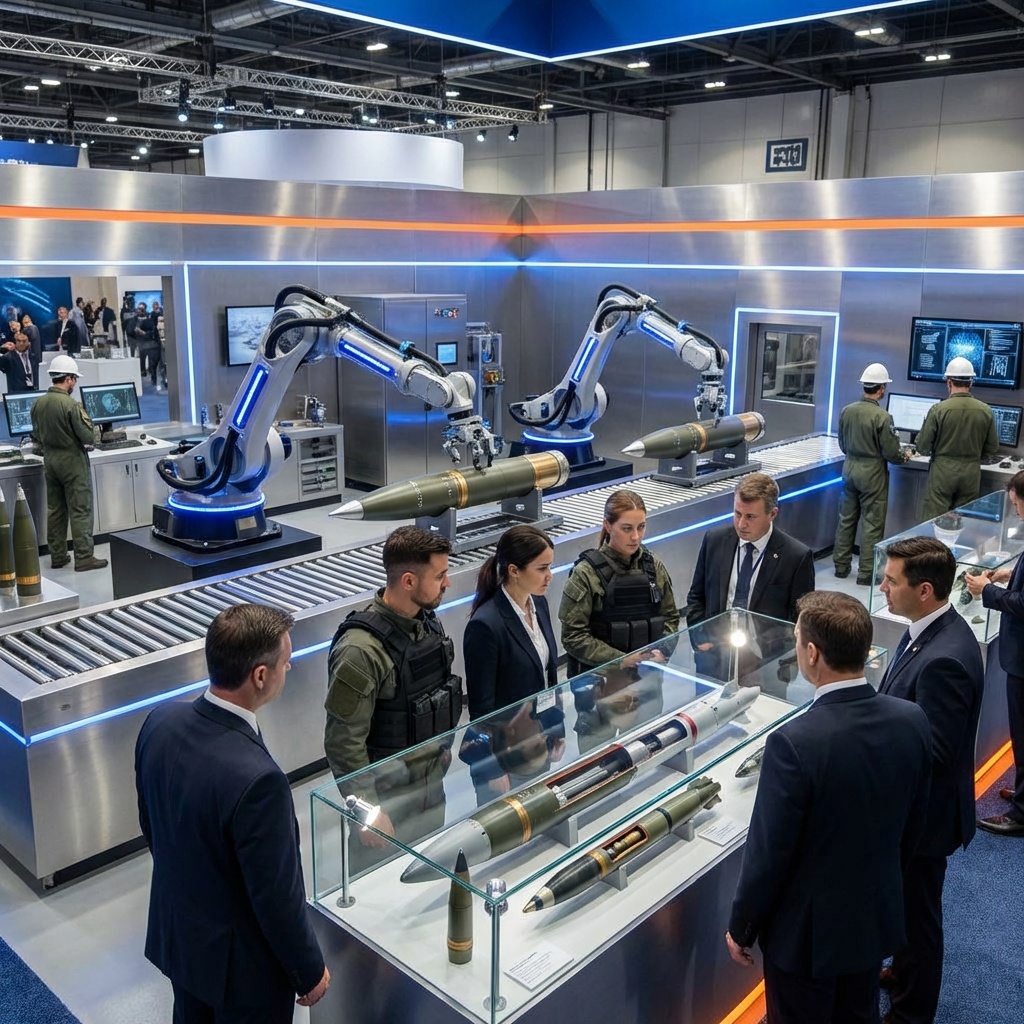
From a technical standpoint, ramping up production will necessitate significant investments in manufacturing capabilities and supply chain management. The defense industrial base may need to enhance workforce training and upgrade facilities to meet the anticipated demand. Specific manufacturers involved in this production increase could include industry leaders known for innovating in precision munitions, such as Raytheon Technologies, Lockheed Martin, and Northrop Grumman, each of which holds a substantial market share in developing and producing advanced weapon systems.
Strategically, increasing munitions production could bolster U.S. military readiness and enhance deterrent capabilities against peer competitors. Additionally, it may position the U.S. as a leading supplier of advanced weaponry to allied nations, thereby strengthening defense partnerships. However, this ambition must be balanced with logistical realities, including the state of existing supply chains and international export regulations that govern the transfer of military technologies.
In conclusion, while the intent expressed during the meeting signals a push for increased munitions capacity, the complexities of implementation, economic implications, and global defense dynamics will require careful navigation. The industry must align production capabilities with national security objectives while ensuring that technological advancements continue to drive the evolution of the defense apparatus.