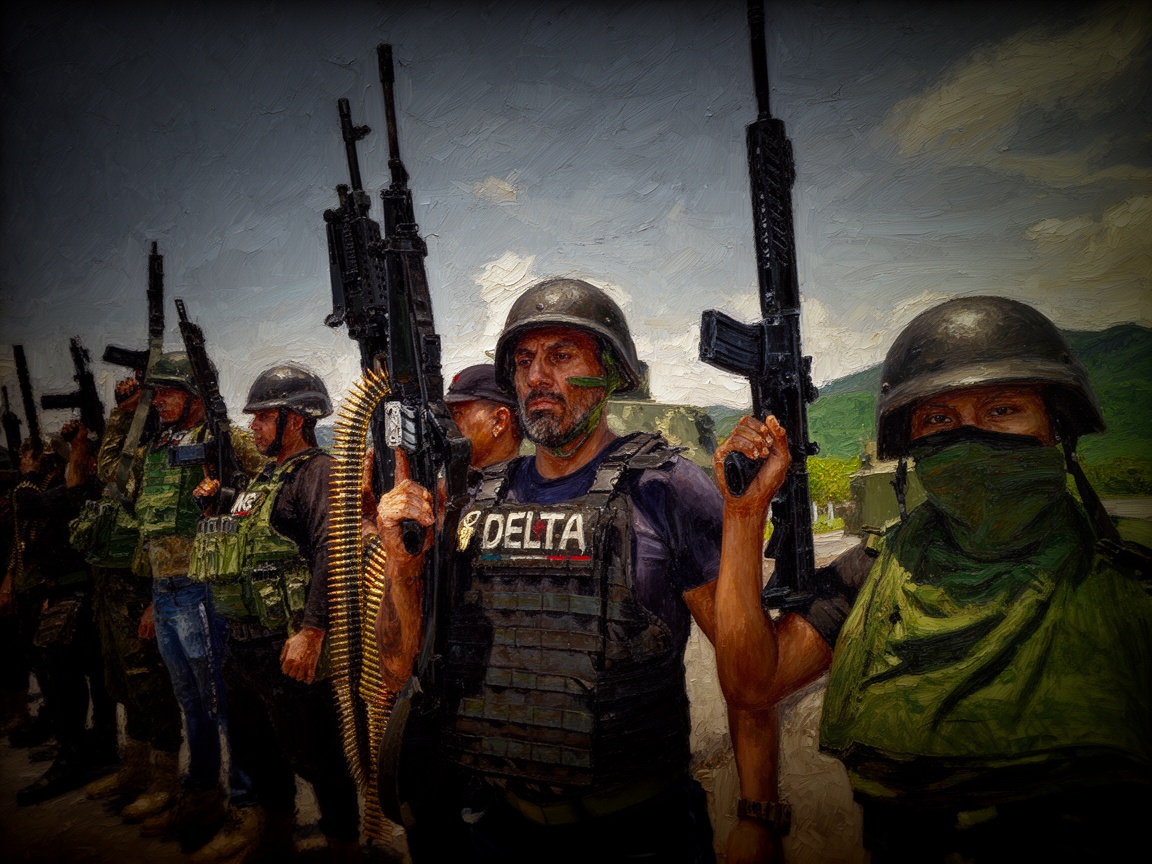
Decapitating cartels? Mexico leans into ‘kingpin strategy’ but at a cost
Mexico accelerates a high‑value targeting approach, authorizing troops to detain cartel leaders under US pressure. The move signals a shift toward a potential decapitation strategy with wide security and political repercussions. Analysts warn the tactic risks escalation, civilian harm, and longer-term instability if leadership churn outpaces state capacity.
Mexico’s government has embraced a kingpin-focused approach, authorizing military operations aimed at arresting cartel leadership under sustained pressure from Washington. The decision marks a formal shift toward decapitation tactics that prioritize eliminating top figures as a force multiplier against multi‑branch organized crime networks. The move comes as part of a broader effort to curb drug trafficking and violence that have destabilized several Mexican states and strained bilateral security cooperation. Critics warn that targeting leaders can provoke retaliatory violence and displace conflict to lower‑tier actors, potentially increasing regional spillover.
Background: For years, Mexican security policy has oscillated between high‑profile seizures and sustained policing on the street level. U.S. facilitation and demands have repeatedly pushed Mexico toward more aggressive enforcement, even as civil liberties and human rights concerns persist. The “kingpin strategy” draws on the premise that disrupting command and control can degrade cartel networks rapidly, but it also risks catalyzing rapid leadership replacement and renewed violence. Local communities have already borne the brunt of intensified clashes in border regions and interior corridors where cartels vie for territory and trafficking routes.
Strategic significance: A successful leadership detainment campaign could reshape the balance of power among Mexico’s organized crime groups and alter the risk calculus for regional partners. If the state demonstrates credible capability to execute high‑value arrests, it could raise deterrence against new recruits and reduce cartel revenue in the short term. However, the persistence of corruption, sanctuaries, and legal constraints may limit long‑term gains and invite international scrutiny over due process and civilian harm. The United States’ continued emphasis on a joint approach will test both nations’ political alignments and crisis management coordination.
Technical/operational details: The operation framework relies on cross‑agency cooperation between the military, federal police, and intelligence services. Targets are expected to include senior cartel leaders, with options for special operations or large‑scale arrests in multiple states. The resources committed may reflect an elevated budget for counter‑drug, counter‑organized crime, and border security activities. Operational security will be tight to prevent leakage and to deter cartel retaliation that could threaten civilians or critical infrastructure.
Consequences and forward assessment: If successful, the kingpin strategy could raise short‑term violence but reduce long‑term narcotics flows and violence in some regions. International partners will monitor human‑rights impacts and the risk of extrajudicial actions. A protracted leadership purge could drive cartels to fragment and pursue more opportunistic, less predictable tactics. Overall, Mexico’s gamble rests on state capacity to sustain rapid leadership removals while maintaining rule‑of‑law processes and protecting civilian lives.