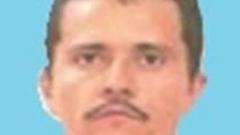
Mexico's Drug Lord 'El Mencho' Killed in Military Operation, Affects Global Drug Trafficking Landscape
The death of Nemesio Oseguera Cervantes, known as 'El Mencho,' significantly impacts the global drug trade. As the leader of the Jalisco New Generation Cartel, his removal raises questions about the future dynamics of drug trafficking networks in Mexico and beyond.
Nemesio Oseguera Cervantes, infamously known as 'El Mencho,' was killed during a military operation in Mexico, marking a pivotal event in the ongoing battle against drug cartels. Mexican Armed Forces engaged in a targeted operation in the western Jalisco state, resulting in El Mencho's death and the capture of several cartel associates. The operation involved advanced intelligence coordination and air support, showcasing Mexico's increasing military capabilities against organized crime.
This development is critical as El Mencho's Jalisco New Generation Cartel (CJNG) has been a dominant force in the drug trade, known for its aggressive expansion and violent tactics. His leadership not only shaped cartel operations within Mexico but also extended the reach of drug trafficking into international markets, particularly affecting the United States and Europe. The cartel's activities have been tied to significant increases in violence and drug-related fatalities across the region, leading to heightened security concerns.
Key players in this conflict include rival cartels, the Mexican government, and international law enforcement agencies. With El Mencho's death, the CJNG may experience a power vacuum, leading to potential infighting among his lieutenants or conflicts with rival groups, such as the Sinaloa Cartel. The Mexican government aims to assert its control and reduce cartel influence, while U.S. agencies closely monitor these developments due to their implications for drug trafficking pathways.
Globally, El Mencho's demise could alter the landscape of drug trafficking, compelling other organizations to either adapt to new leadership dynamics or leverage the moment to expand their influence. The potential for escalation in violence and retaliatory attacks from CJNG loyalists poses a risk to both domestic stability in Mexico and broader international security. Furthermore, shifts in drug supply lines may affect global markets and enforcement efforts.
Historically, the deaths of major cartel leaders have led to increased violence and disruption within the drug trade, often catalyzing further conflict between rival organizations. El Mencho's killing does not guarantee a decrease in drug-related violence; rather, it may intensify ongoing battles for control and influence, complicating the already volatile situation in Mexico.
Analysts are watching closely how this event affects the operational capacity of the CJNG and its influence on drug trafficking routes. While there may be short-term destabilization within the cartel, the larger question remains whether Mexico's military efforts can maintain long-term gains against organized crime. Expectations suggest a potential rise in violence as new leaders emerge and rival factions vie for control of lucrative drug trafficking territories.