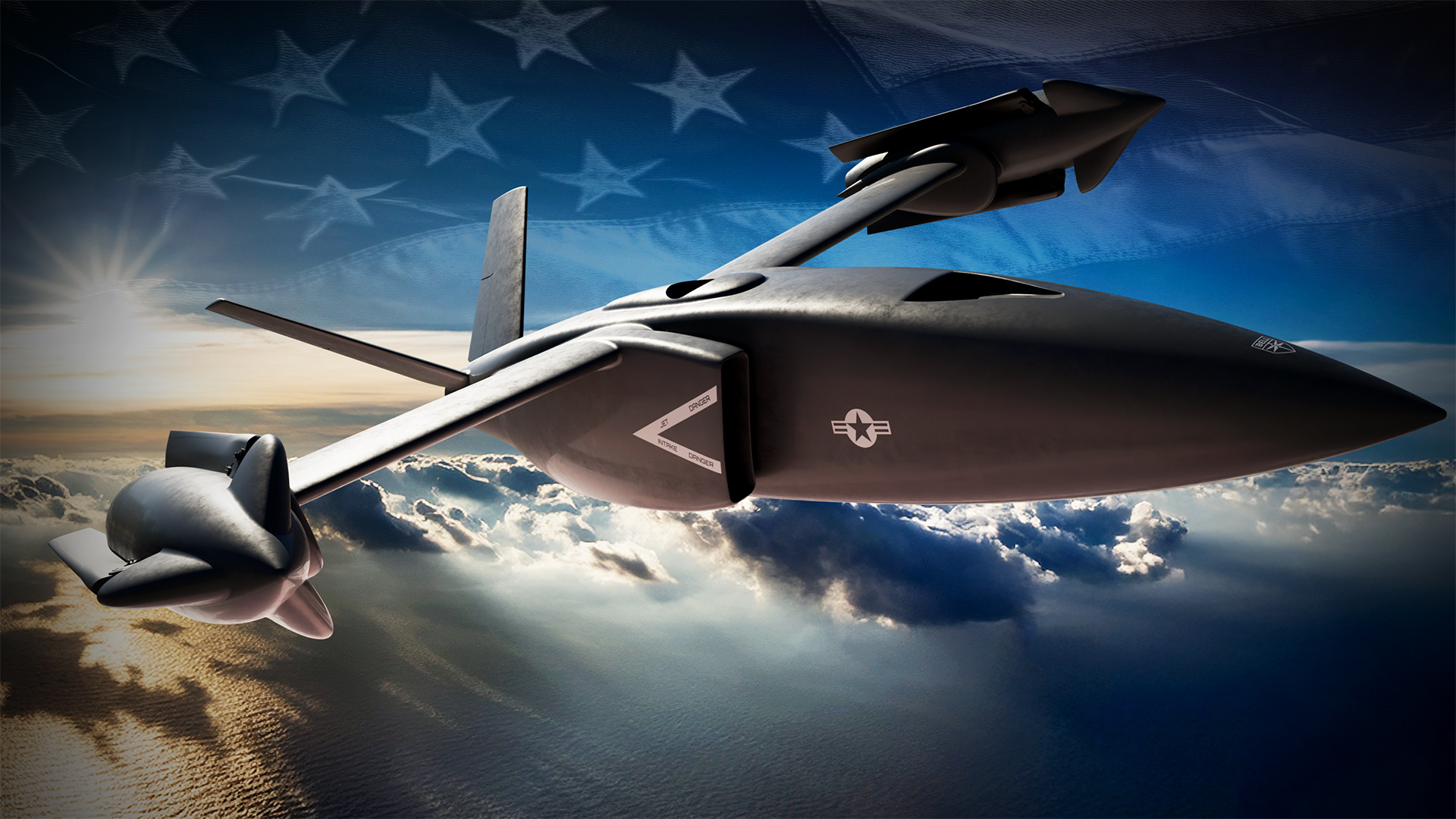
DARPA's X-76 Aircraft Development Marks Key Shift in Military Aviation Potential
The X-76 program signals a strategic pivot towards runway-independent flight capabilities, enhancing operational flexibility for military forces. With potential crewed and uncrewed configurations, this aircraft could redefine engagement tactics in challenging environments.
The Defense Advanced Research Projects Agency (DARPA) has announced plans for the X-76 aircraft, emphasizing its innovative fold-away rotor design aimed at achieving fast, runway-independent flight. Scheduled to flight test in 2028, this development marks a significant leap towards next-generation military aviation capabilities, capable of both crewed and uncrewed missions. This program underscores DARPA's commitment to redefining aerial operations in contested environments where traditional runways may be compromised.
Historically, military aviation has heavily relied on established runway structures for both takeoff and landing. However, recent conflicts have illustrated the vulnerabilities of conventional airbases to missile strikes and other forms of warfare. The X-76 aims to address these limitations by allowing forces to deploy aircraft from less conventional sites, a crucial factor in modern warfare characterized by rapid response and adaptability.
The significance of the X-76 goes beyond mere technological advancement; it represents a potential reshaping of military air power dynamics. With the ability to operate independently of established airfields, this aircraft could provide a tactical advantage in rapidly evolving combat situations. Nations that prioritize rapid deployment and flexible aircraft capabilities may gain a crucial edge in regional conflicts or asymmetric warfare scenarios.
Key players in this project, including Bell Textron, are motivated by the desire to meet the increasing demand for multi-domain operations in defense. While DARPA frames the X-76 as a cutting-edge innovation, the underlying impetus is to ensure U.S. forces maintain their competitive advantage over adversaries who are continuously developing similar technologies. Budget allocations and strategic planning are expected to prioritize the development of aircraft that transcend traditional limits.
Technical specifications for the X-76 reveal advancements in rotor technology and propulsion systems aimed at increasing speed and stealth capabilities. Unlike conventional aircraft, the fold-away rotor system is designed to minimize radar cross-section, potentially enhancing survivability against modern air defense systems. The anticipated budget for this project is expected to exceed hundreds of millions, reflecting the strategic importance placed on the aircraft's capabilities.
Consequences of successfully deploying the X-76 could have profound impacts on military strategy and doctrine. Greater operational flexibility might lead to escalated tensions as nations rush to develop similar technologies, initiating an arms race in next-gen air capabilities. Furthermore, the dynamics of ground warfare could shift significantly if air forces can operate without vulnerability associated with fixed infrastructure.
Historically, advancements in military aviation technology often parallel significant geopolitical shifts. The introduction of stealth aircraft in the 1980s altered air engagement protocols, similar to what the X-76 might achieve against adversaries with advanced anti-aircraft systems. Previous programs, such as the Harrier jump jet, paved the way for multipurpose aircraft, but the X-76 promises to offer a generational leap.
Looking forward, defense analysts should monitor further announcements concerning the X-76's technical milestones and potential international interest or collaborations that could arise from its development. Indicators of success will include upcoming technology demonstrations, partnerships with allied nations, and procurement discussions aimed at integrating advanced capabilities into existing fleets. The strategic implications of the X-76's deployment in conflict scenarios will also merit close surveillance as military planning evolves.